Now Reading: Peru Travel Guide: From Machu Picchu to Hidden Valleys
-
01
Peru Travel Guide: From Machu Picchu to Hidden Valleys

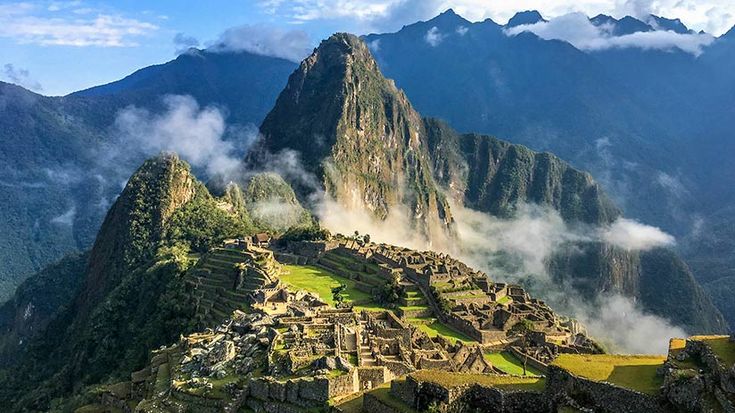
If you’re searching for a destination that blends ancient history, breathtaking mountain landscapes, vibrant traditions, and unforgettable adventures, this Peru travel guide is the perfect starting point. Located on South America’s Pacific coast, Peru is one of the continent’s most diverse travel destinations. From the legendary ruins of Machu Picchu and the picturesque Sacred Valley to colorful cities, high-altitude lakes, and hidden Andean villages, Peru offers experiences that appeal to history lovers, hikers, food enthusiasts, and cultural explorers alike.
Over the past decade, Peru tourism has continued to attract millions of international visitors thanks to its UNESCO World Heritage Sites, rich Indigenous heritage, world-renowned cuisine, and stunning natural beauty. Whether you’re planning your first journey through the Andes or looking to venture beyond the country’s famous landmarks, this comprehensive Peru travel guide will help you build an itinerary filled with iconic attractions and authentic local experiences.
Why Peru Should Be on Every Traveler’s Bucket List
Peru is far more than the home of Machu Picchu. It is a country where ancient civilizations, colonial architecture, diverse ecosystems, and modern cities coexist in remarkable harmony. Travelers can explore snow-capped mountains, Amazon rainforests, desert landscapes, and Pacific coastlines-all within a single trip.
What makes Peru particularly special is its deep cultural heritage. Indigenous traditions remain an important part of everyday life, and visitors often encounter colorful festivals, traditional weaving communities, vibrant markets, and centuries-old customs that continue to thrive today.
Some of Peru’s biggest highlights include:
- UNESCO World Heritage Sites.
- Ancient Inca ruins.
- Spectacular mountain scenery.
- Authentic local culture.
- Adventure trekking routes.
- World-famous gastronomy.
These experiences make Peru one of the most rewarding destinations for anyone interested in South America travel.
Discover the Wonder of Machu Picchu
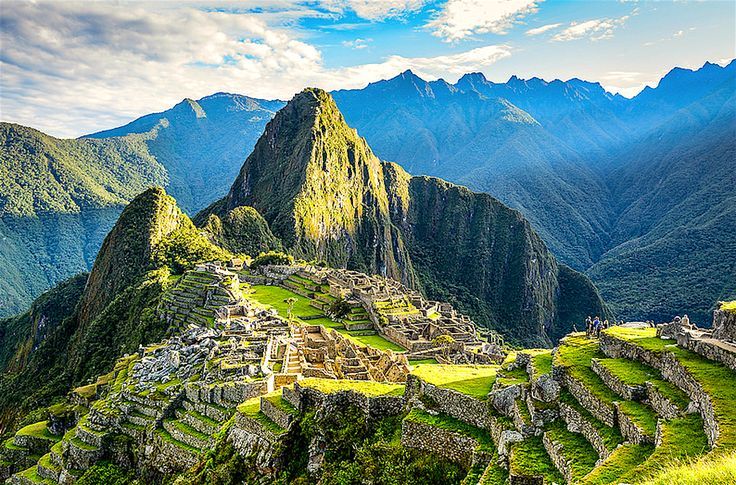
No Peru travel guide would be complete without exploring Machu Picchu, one of the New Seven Wonders of the World and Peru’s most famous attraction.
Perched high in the Andes Mountains, this remarkable Inca citadel continues to fascinate travelers with its impressive stone architecture, panoramic mountain views, and mysterious history. Built during the 15th century, Machu Picchu remained hidden from the outside world for centuries before becoming one of the world’s most visited archaeological sites.
Visitors can explore ancient temples, ceremonial plazas, agricultural terraces, and breathtaking viewpoints while learning about the engineering brilliance of the Inca civilization. Entry tickets are limited each day, making advance booking an essential part of any Peru itinerary.
Explore the Sacred Valley
Stretching between Cusco and Machu Picchu, the Sacred Valley offers a fascinating combination of history, nature, and traditional Andean life. Often overlooked by travelers eager to reach Machu Picchu, this beautiful region deserves several days of exploration.
Picturesque towns such as Pisac, Ollantaytambo, and Chinchero are known for their vibrant markets, Inca ruins, and artisan communities where traditional weaving techniques have been preserved for generations.
The Sacred Valley also provides opportunities for hiking, mountain biking, river rafting, and visiting agricultural terraces that continue to demonstrate the ingenuity of ancient Inca engineering.
Experience the Historic City of Cusco
Situated more than 3,300 meters above sea level, Cusco was once the capital of the Inca Empire and remains one of South America’s most captivating cities.
Its cobblestone streets, colonial churches, lively plazas, and impressive archaeological sites create an atmosphere where history feels alive. Visitors often spend several days acclimatizing to the altitude while exploring landmarks such as Sacsayhuamán, Qorikancha Temple, and Plaza de Armas.
Cusco also serves as the primary gateway to Machu Picchu, the Sacred Valley, and many of Peru’s most famous trekking routes, making it an essential stop on any Peru itinerary.
Hiking the Legendary Inca Trail
For adventure enthusiasts, few experiences compare to walking the historic Inca Trail. This internationally renowned trek follows ancient stone pathways through cloud forests, mountain passes, and archaeological sites before arriving at Machu Picchu through the spectacular Sun Gate.
The classic route typically takes four days and offers stunning scenery alongside insights into Inca history and engineering. Due to conservation efforts, hiking permits are limited throughout the year, so travelers should secure reservations several months in advance.
Alternative treks such as the Salkantay Trek and Lares Trek also provide incredible mountain landscapes while avoiding larger crowds.
Discover Peru Beyond the Famous Attractions
Although Machu Picchu attracts global attention, Peru’s hidden destinations are equally rewarding.
The Colca Canyon offers opportunities to observe majestic Andean condors soaring above dramatic cliffs, while Lake Titicaca provides cultural encounters with Indigenous communities living on floating reed islands. The Amazon rainforest near Puerto Maldonado introduces travelers to one of the world’s richest ecosystems, home to exotic wildlife and extraordinary biodiversity.
Smaller Andean villages also allow visitors to experience authentic local culture, traditional farming practices, regional festivals, and handmade crafts far from the country’s busiest tourist routes.
Exploring these lesser-known regions provides a deeper understanding of Peru’s remarkable diversity.
Planning Your Peru Itinerary
Creating a well-balanced Peru itinerary is essential because of the country’s varied geography and altitude differences.
Many first-time visitors begin in Lima before traveling to Cusco, the Sacred Valley, and Machu Picchu. Travelers with additional time often continue to Lake Titicaca, Arequipa, Colca Canyon, or the Peruvian Amazon.
When planning your trip, remember to:
- Allow time for altitude acclimatization.
- Book Machu Picchu tickets in advance.
- Pack clothing for different climates.
- Carry cash in smaller towns.
- Respect local customs and Indigenous communities.
- Purchase travel insurance for trekking activities.
Careful travel planning ensures a safer, more enjoyable journey throughout Peru.
Frequently Asked Questions (FAQs)
1. What is the best time to visit Peru?
The dry season, from May to September, is considered the best time to visit Peru for trekking, sightseeing, and exploring Machu Picchu.
2. How many days are recommended for a Peru itinerary?
A Peru itinerary of 10–14 days allows travelers to visit Lima, Cusco, the Sacred Valley, Machu Picchu, and additional destinations such as Lake Titicaca or the Amazon rainforest.
3. Do I need to book Machu Picchu in advance?
Yes. Entry to Machu Picchu is limited each day, and tickets often sell out weeks or months ahead, especially during peak travel seasons.
4. Is the Inca Trail suitable for beginners?
The Inca Trail requires moderate physical fitness due to altitude and mountain terrain. Beginners can complete it with proper preparation and acclimatization.
5. Is Peru expensive for travelers?
Peru offers options for every budget. Backpackers, mid-range travelers, and luxury tourists can all find suitable accommodations, transportation, and dining experiences.
6. What food should I try in Peru?
Popular dishes include ceviche, lomo saltado, causa, ají de gallina, alpaca specialties, and fresh tropical fruits from the Amazon region.
Conclusion
This Peru travel guide highlights why Peru continues to rank among the world’s most inspiring destinations for history, adventure, and cultural exploration. From the breathtaking ruins of Machu Picchu and the scenic beauty of the Sacred Valley to the historic streets of Cusco and the legendary Inca Trail, every region offers unforgettable experiences that showcase the country’s extraordinary heritage. Beyond its famous landmarks, Peru rewards curious travelers with welcoming communities, remarkable biodiversity, flavorful cuisine, and hidden valleys that reveal the authentic spirit of the Andes.
Whether you’re creating your first Peru itinerary or planning a return visit to discover lesser-known destinations, thoughtful travel planning will help you experience the very best of Peru. Start your South American adventure today and uncover a country where ancient civilizations, breathtaking landscapes, and vibrant traditions come together to create memories that last a lifetime.
Stay Informed With the Latest & Most Important News
Previous Post
Next Post