Now Reading: How Heritage Hotels Offer a Unique Stay Experience for Travelers
-
01
How Heritage Hotels Offer a Unique Stay Experience for Travelers

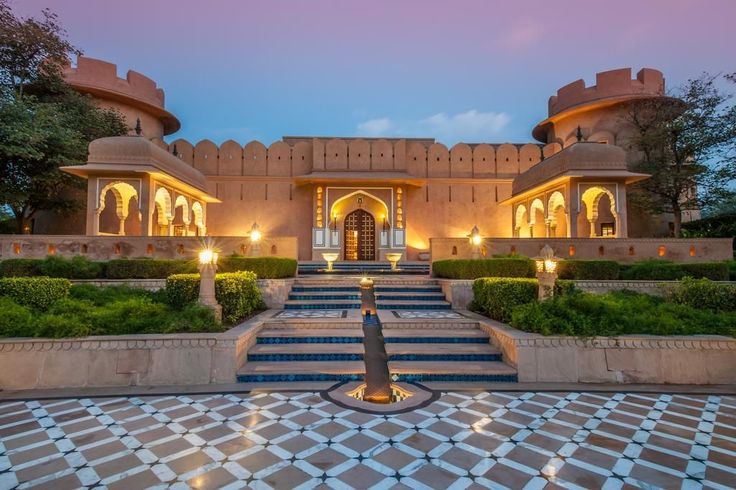
Choosing where to stay is one of the most important parts of planning a memorable trip. While modern hotels provide comfort and convenience, heritage hotels offer something far more meaningful-an opportunity to experience history, architecture, and local culture under one roof. From centuries-old palaces in India and medieval castles in Europe to restored colonial mansions in Latin America and historic estates across Asia, these remarkable properties allow travelers to connect with a destination’s past while enjoying modern hospitality.
As travelers increasingly seek immersive and meaningful experiences over conventional sightseeing, heritage hotels have become a popular choice for cultural exploration. Unlike standard accommodations, these properties preserve historical significance while incorporating contemporary amenities, making every stay feel distinctive. Whether you’re interested in royal history, traditional craftsmanship, or local customs, heritage hotel stays combine luxury, storytelling, and authentic travel in ways that ordinary hotels simply cannot.
What Are Heritage Hotels?
Heritage hotels are historic buildings that have been carefully restored and converted into hospitality properties while preserving their original architectural character and cultural importance. Many of these buildings were once royal residences, castles, noble estates, monasteries, forts, colonial homes, or grand mansions.
Instead of replacing historical features with modern designs, owners and conservation experts work to maintain original architecture, antique interiors, handcrafted décor, and traditional construction techniques. Guests enjoy contemporary comforts without losing the building’s historical charm.
Across the world, countries such as India, Italy, Portugal, Spain, Scotland, Japan, and Morocco have successfully transformed historic landmarks into exceptional accommodations that attract millions of travelers each year.
Why Heritage Hotels Are Different from Modern Hotels
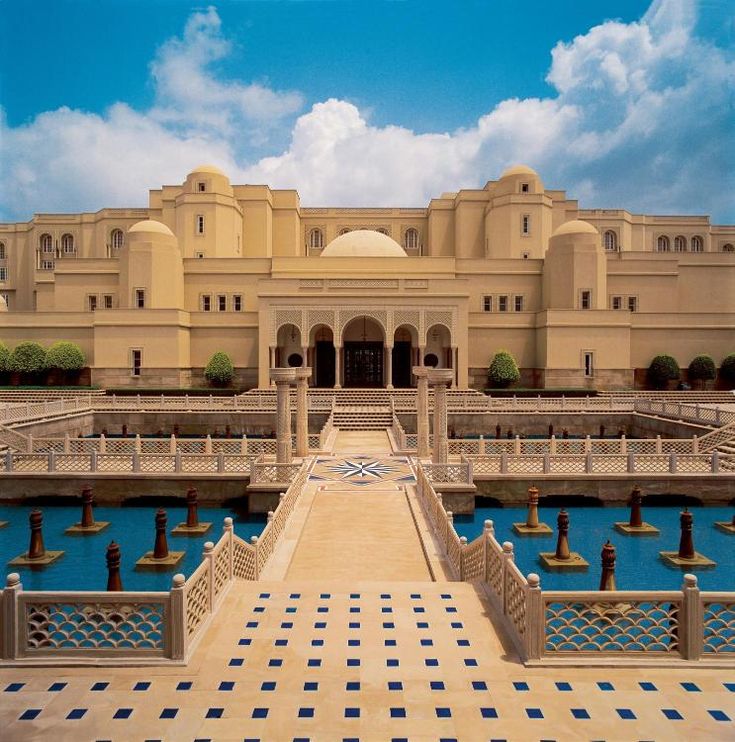
Unlike conventional accommodations that often follow standardized layouts and designs, heritage hotels offer individuality. Every property tells its own story, shaped by centuries of history, local traditions, and regional architecture.
Guests often find themselves sleeping in rooms that once hosted royalty, influential leaders, artists, or noble families. Original stone walls, antique furniture, hand-painted ceilings, and restored courtyards create an atmosphere that cannot be replicated in newly built hotels.
Rather than simply providing a place to sleep, these properties become an integral part of the travel experience itself. Visitors don’t just observe history-they become part of it during their stay.
Heritage Hotel Stays Create Authentic Cultural Experiences
One of the greatest reasons travelers choose heritage hotel stays is the opportunity to experience local culture beyond traditional tourist attractions.
Many heritage properties celebrate regional traditions by incorporating local cuisine, music, architecture, handicrafts, and cultural performances into the guest experience. Travelers gain a deeper understanding of the destination through meaningful interactions rather than simply visiting museums or monuments.
Common cultural experiences include:
- Traditional regional cuisine prepared using historic recipes.
- Local music and dance performances.
- Guided heritage walks.
- Artisan workshops and craft demonstrations.
- Cultural storytelling sessions.
- Traditional tea ceremonies or royal dining experiences.
These activities make cultural accommodation far more immersive than conventional hotel stays.
Luxury Meets History in Heritage Properties
Many travelers mistakenly assume that historic accommodations sacrifice comfort for authenticity. In reality, today’s luxury heritage hotels successfully blend centuries-old architecture with world-class hospitality.
Guests often enjoy premium amenities while surrounded by historic elegance. Modern upgrades are carefully integrated to preserve the building’s original identity without compromising comfort.
Typical luxury features include:
- Spacious heritage suites.
- Fine-dining restaurants serving local specialties.
- Spa and wellness facilities.
- Landscaped gardens and courtyards.
- Personalized concierge services.
- High-end modern amenities within historic interiors.
This balance between history and luxury appeals to travelers seeking memorable experiences rather than standard hotel rooms.
Castle Hotels and Palace Hotels Offer Royal Experiences
Among the most sought-after heritage hotels are magnificent castle hotels and palace hotels.
Throughout Europe, centuries-old castles have been restored into elegant accommodations where guests can experience medieval architecture, grand halls, stone towers, and panoramic countryside views. Countries such as Scotland, Ireland, Germany, and France are especially well known for these remarkable properties.
Similarly, India has transformed many royal palaces into luxurious palace hotels, allowing visitors to experience regal hospitality once reserved for kings and queens. Ornate architecture, royal courtyards, marble halls, and traditional hospitality create unforgettable stays that celebrate the country’s rich heritage.
These unique properties combine historical significance with exceptional service, making them popular destinations in their own right.
Boutique Stays with Individual Character
Not all heritage accommodations are grand palaces or castles. Many travelers also choose smaller boutique stays located in restored townhouses, colonial villas, countryside estates, or historic merchant homes.
These intimate properties often feature fewer rooms, allowing staff to provide highly personalized service while maintaining a warm and welcoming atmosphere.
Boutique heritage hotels frequently highlight:
- Locally inspired interior design.
- Handmade furnishings.
- Personalized guest experiences.
- Quiet, residential settings.
- Strong connections with local communities.
For travelers seeking authenticity and tranquility, boutique heritage accommodations offer an excellent alternative to larger luxury hotels.
Heritage Hotels Support Historic Tourism and Conservation
Staying in heritage hotels also contributes to preserving important cultural landmarks.
Rather than allowing historic buildings to deteriorate, adaptive reuse projects generate revenue that supports restoration, maintenance, and long-term conservation efforts. This approach protects architectural heritage while creating employment opportunities for local communities.
Benefits of historic tourism include:
- Preservation of historic architecture.
- Support for local artisans and craftspeople.
- Job creation within local communities.
- Promotion of cultural education.
- Sustainable reuse of historic buildings.
- Increased appreciation of regional heritage.
Responsible tourism ensures future generations can continue experiencing these remarkable places.
Tips for Choosing the Right Heritage Hotel
Selecting the right heritage property depends on your travel style and expectations. Before booking, research the hotel’s history, available amenities, accessibility, and guest reviews.
Consider the following:
- Verify the property’s historical significance.
- Check room types and modern facilities.
- Review accessibility features if needed.
- Read recent guest reviews.
- Look for cultural activities offered on-site.
- Choose a location close to major attractions.
Taking time to compare options helps ensure your accommodation enhances your overall travel experience.
Frequently Asked Questions (FAQs)
1. What are heritage hotels?
Heritage hotels are historic buildings that have been restored and converted into accommodations while preserving their architectural and cultural significance.
2. Are heritage hotel stays suitable for families?
Yes. Many heritage hotel stays welcome families and offer spacious rooms, gardens, cultural activities, and family-friendly amenities alongside historical experiences.
3. What is the difference between a heritage hotel and a boutique hotel?
A heritage hotel is defined by its historical importance, while a boutique hotel focuses on personalized service and unique design. Some properties combine both concepts.
4. Are luxury heritage hotels equipped with modern amenities?
Absolutely. Most luxury heritage hotels provide Wi-Fi, air conditioning, premium dining, wellness facilities, and modern comforts while preserving their historic character.
5. Where can travelers find famous heritage hotels?
Outstanding heritage properties can be found worldwide, particularly in India, Scotland, Ireland, Portugal, Spain, Italy, Morocco, and Japan, where historic buildings have been carefully restored for tourism.
6. Why are heritage hotels important for sustainable tourism?
They preserve historic buildings through adaptive reuse, support local economies, protect cultural heritage, and encourage responsible historic tourism rather than new large-scale construction.
Conclusion
Choosing heritage hotels transforms a simple overnight stay into a memorable cultural experience. Whether you’re relaxing in elegant palace hotels, exploring centuries-old castle hotels, or enjoying charming boutique stays, these remarkable properties allow you to connect with history while benefiting from modern comfort and exceptional hospitality. Their combination of architecture, storytelling, local traditions, and personalized service makes every visit unique and meaningful.
For travelers seeking more than just accommodation, heritage hotel stays provide an opportunity to experience the heart of a destination through its culture, history, and people. As interest in authentic travel and historic tourism continues to grow worldwide, staying in a heritage hotel is one of the most rewarding ways to explore the world. On your next journey, consider choosing a historic property and discover how the past can make your future travels even more unforgettable.
Stay Informed With the Latest & Most Important News
Previous Post
Next Post