Now Reading: Why Travel eSIMs Are Replacing International Roaming in 2026
-
01
Why Travel eSIMs Are Replacing International Roaming in 2026

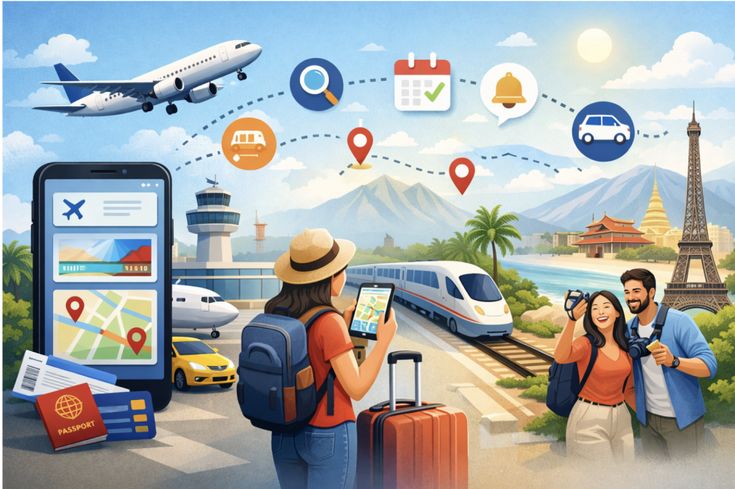
International travel has become more connected than ever, but staying online while abroad has traditionally come at a high cost. For years, travelers relied on expensive international roaming plans or purchased local SIM cards upon arrival. In 2026, however, travel eSIMs are rapidly becoming the preferred solution for global connectivity.
From digital nomads and business travelers to vacationers exploring multiple countries, travelers are embracing eSIM technology for its convenience, affordability, and flexibility. As mobile technology evolves, travel eSIMs are proving to be a smarter alternative to traditional international roaming, helping users stay connected without unexpected charges or logistical hassles.
What Are Travel eSIMs?
A travel eSIM is a virtual SIM embedded directly into a smartphone, tablet, or other compatible device. Unlike a physical SIM card, a digital SIM card can be activated remotely, allowing users to purchase and install mobile data plans before or during their trip.
Most modern smartphones support eSIM functionality, enabling travelers to switch between carriers and data plans without physically changing SIM cards.
How Travel eSIMs Work
The process is simple:
- Purchase an eSIM plan online.
- Receive a QR code or activation link.
- Install the eSIM profile on a compatible device.
- Connect to local mobile networks at your destination.
This streamlined experience eliminates the need to visit telecom stores, wait in airport kiosks, or deal with physical SIM replacements.
Why Travel eSIMs Are Replacing International Roaming
The shift toward travel eSIMs is driven by several advantages that traditional roaming services struggle to match.
1. Lower Costs and Better Value
One of the biggest reasons travelers are abandoning international roaming is cost.
Traditional roaming plans often charge premium rates for:
- Mobile data
- Calls
- SMS services
Even when carriers offer travel packages, they can still be significantly more expensive than dedicated eSIM plans.
Travel eSIM providers typically offer:
- Fixed pricing
- Regional data packages
- Multi-country plans
- No hidden fees
For travelers visiting Europe, Southeast Asia, North America, or the Middle East, travel eSIM plans can reduce connectivity costs considerably compared to standard roaming charges.
2. Instant Activation Anywhere
Modern travelers expect convenience.
With travel eSIMs, activation takes only a few minutes. Users can set up a plan before boarding a flight and connect immediately after landing.
In contrast, international roaming often requires:
- Carrier activation requests
- Additional travel packs
- Manual account configuration
The ability to activate a digital SIM card remotely has become a major advantage for frequent travelers.
3. Seamless Multi-Country Coverage
Many travelers no longer visit just one destination.
A traveler might fly from:
- France to Germany
- Singapore to Thailand
- United States to Canada
Travel eSIM providers frequently offer regional and global plans that work across multiple countries under a single package.
This eliminates the need to purchase new SIM cards every time a traveler crosses a border.
4. Better Flexibility for Digital Nomads
The rise of remote work has created a new generation of location-independent professionals.
Digital nomads need reliable internet access for:
- Video conferencing
- Cloud collaboration
- Remote project management
- Business communication
Travel eSIMs provide flexible connectivity options that can adapt to changing travel schedules and destinations.
For professionals working across Europe, Asia, and Latin America, switching plans digitally is far easier than managing multiple physical SIM cards.
Travel eSIMs vs International Roaming

When comparing travel eSIMs and international roaming, travel eSIMs offer several advantages for modern travelers:
- Lower setup costs: Most travel eSIM plans are affordable and easy to activate, while roaming services may include additional carrier fees.
- More competitive data pricing: Travel eSIM providers often offer better value for mobile data compared to expensive roaming packages.
- Fewer hidden charges: Fixed-price plans help travelers avoid unexpected fees that are sometimes associated with international roaming.
- Multi-country coverage: Many travel eSIMs work across multiple destinations under a single plan, making them ideal for regional travel.
For travelers looking for a cost-effective and convenient way to stay connected abroad, travel eSIMs are quickly becoming the preferred choice.
Convenience Comparison
Travel eSIMs offer:
- Online activation
- Instant setup
- Easy plan switching
- No physical SIM handling
International roaming generally depends on the user’s home carrier, limiting flexibility and pricing options.
The Role of Travel eSIMs in Global Travel Trends
The travel industry continues to embrace digital transformation.
Travelers increasingly rely on:
- Digital boarding passes
- Mobile hotel check-ins
- Navigation apps
- Translation tools
- Online booking platforms
Reliable internet access is no longer optional.
As destinations across Europe, Asia-Pacific, Africa, and the Americas improve mobile infrastructure, travel eSIMs are becoming an essential part of the modern travel experience.
The adoption of the digital SIM card aligns perfectly with broader trends in travel technology, making connectivity simpler and more accessible worldwide.
Security and Reliability Benefits
Many travelers worry about connectivity security while abroad.
Travel eSIM providers often partner with established network operators, ensuring reliable coverage and secure connections.
Benefits include:
- Reduced risk of SIM card loss
- Encrypted activation processes
- Secure carrier management
- Fast network switching
Because the digital SIM card is embedded within the device, it cannot be physically removed or misplaced during travel.
Who Should Use Travel eSIMs?
Travel eSIMs are particularly useful for:
Business Travelers
Professionals who frequently cross international borders can stay connected without changing mobile plans repeatedly.
Digital Nomads
Remote workers benefit from flexible data options across multiple regions.
Frequent Vacation Travelers
Tourists can avoid expensive international roaming fees while enjoying reliable internet access.
Multi-Country Travelers
Those visiting several destinations during one trip can use a single plan across multiple countries.
Frequently Asked Questions
Are travel eSIMs cheaper than international roaming?
In most cases, yes. Travel eSIM plans are often significantly more affordable than traditional roaming packages, especially for data-heavy users.
Do all smartphones support travel eSIMs?
No. Most newer flagship smartphones support eSIM technology, but users should verify compatibility before purchasing a plan.
Can I use a travel eSIM in multiple countries?
Yes. Many providers offer regional and global plans that work across several countries without requiring a new SIM.
Is a digital SIM card secure?
Yes. A digital SIM card is generally secure and cannot be physically removed or lost like a traditional SIM card.
Do travel eSIMs work immediately after landing?
Yes. If activated before departure, most travel eSIMs connect automatically when the traveler arrives at the destination.
Can I keep my regular phone number while using a travel eSIM?
In many cases, yes. Devices that support dual SIM functionality can use a primary number alongside an eSIM data plan.
Conclusion
The future of travel connectivity is clearly moving toward travel eSIMs. As travelers seek more affordable, flexible, and convenient ways to stay connected, traditional international roaming is becoming increasingly outdated.
Whether you’re exploring Europe, working remotely in Asia, attending business meetings in North America, or traveling across multiple countries, travel eSIMs provide a modern solution that aligns with the demands of today’s connected world.
As adoption continues to grow in 2026 and beyond, travelers who switch to a digital SIM card can enjoy seamless connectivity, lower costs, and greater freedom wherever their journeys take them.
Ready to travel smarter? Explore the latest travel technology trends and connectivity solutions to make your next international trip more convenient, affordable, and connected than ever before.
Stay Informed With the Latest & Most Important News
Previous Post
Next Post