Now Reading: How to Choose the Right Travel eSIM for Multi-Country Trips in 2026
-
01
How to Choose the Right Travel eSIM for Multi-Country Trips in 2026

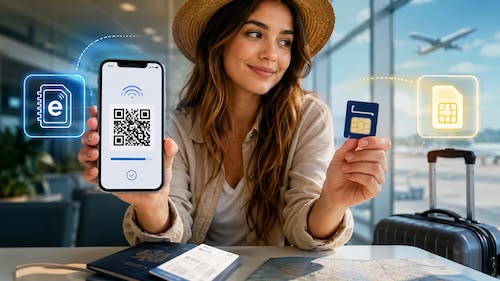
Staying connected while traveling across multiple countries has become easier than ever thanks to the growing adoption of the travel eSIM. Instead of purchasing a new physical SIM card every time you cross a border or paying expensive roaming charges, travelers can now activate digital mobile plans directly on their smartphones within minutes. Whether you’re backpacking across Europe, exploring Southeast Asia, working remotely from South America, or taking a business trip through multiple continents, choosing the right eSIM can save both time and money.
However, not every eSIM offers the same coverage, pricing, or flexibility. Some plans are designed for individual countries, while others provide regional or global connectivity. This guide explains how to choose the best travel eSIM for multi-country journeys, compares popular providers, and highlights the key features travelers should consider before purchasing a plan.
Why Travel eSIMs Are Becoming the Preferred Choice
International travel has changed significantly over the past few years. Travelers now rely on mobile internet for digital boarding passes, hotel reservations, ride-sharing apps, online payments, translation tools, navigation, and remote work. Losing connectivity while crossing borders can quickly become inconvenient.
A travel eSIM eliminates many of these challenges by allowing users to install mobile plans digitally before departure. Instead of searching for local telecom stores after landing, travelers can connect immediately upon arrival.
The popularity of eSIM technology continues to grow because it offers greater convenience, faster activation, and better flexibility than traditional SIM cards. Modern smartphones from Apple, Samsung, Google, and other manufacturers increasingly support eSIM functionality, making digital connectivity accessible to millions of travelers worldwide.
Understanding Multi-Country eSIM Plans
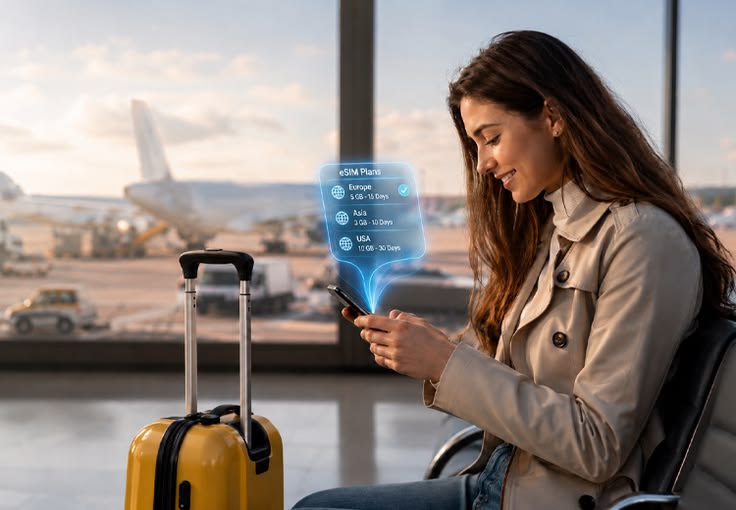
One of the biggest advantages of a multi-country eSIM is its ability to work seamlessly across several destinations without requiring users to purchase separate SIM cards. These plans are particularly useful for travelers visiting multiple countries within a single region or continent.
For example, someone traveling through France, Germany, Italy, Spain, and the Netherlands can often use one regional eSIM instead of buying individual SIM cards in every country. Similarly, travelers exploring Southeast Asia or North America can benefit from regional coverage that automatically connects to local partner networks.
Choosing a multi-country plan reduces the hassle of switching providers while ensuring uninterrupted mobile service throughout the journey.
Regional eSIM vs Global eSIM
Before purchasing an eSIM, it’s important to understand the difference between regional and global plans.
A regional eSIM is designed for travel within a specific geographic area, such as Europe, Asia-Pacific, North America, or the Middle East. These plans generally provide better value for travelers visiting several countries within the same region because they focus on local network partnerships.
A global eSIM, on the other hand, offers coverage across many countries worldwide. Although these plans may cost slightly more, they are ideal for business travelers, digital nomads, and frequent flyers who regularly move between continents.
The right choice depends largely on your travel itinerary rather than simply selecting the plan with the widest coverage.
Key Factors to Consider Before Buying
Selecting the right travel eSIM involves more than comparing prices. Coverage quality, supported countries, data allowances, and network reliability all play important roles in the overall experience.
Before purchasing, evaluate the destinations included in the plan and confirm that your smartphone supports eSIM technology. It is also worth checking whether the provider connects to premium local networks instead of lower-priority partners.
Important considerations include:
- Coverage across your planned destinations.
- Total data allowance.
- Validity period.
- Network quality.
- Customer support.
- Ease of activation.
Choosing a plan based on your actual travel habits helps avoid unnecessary costs while ensuring reliable connectivity.
Leading Travel eSIM Providers in 2026
Several providers have established themselves as trusted names in international connectivity by offering flexible plans for travelers around the world.
Airalo remains one of the most popular choices because of its extensive country and regional coverage. Travelers appreciate its affordable pricing, straightforward activation process, and wide selection of prepaid plans.
Holafly is particularly attractive for travelers who consume large amounts of data, as many of its regional packages include unlimited or high-data options. This makes it a strong choice for remote workers, content creators, and frequent video callers.
Nomad focuses on transparent pricing and flexible plans suitable for both short vacations and extended travel. Its mobile application makes purchasing and managing plans simple.
Business travelers often prefer GigSky and Ubigi, both of which provide reliable connectivity across numerous countries while supporting smartphones, tablets, laptops, and connected devices.
Traditional telecom providers such as AT&T, Verizon, T-Mobile, Vodafone, O2, EE, Orange, Mint Mobile, Tesco Mobile, Boost Mobile, Virgin Mobile, iD Mobile, and Kena Mobile also continue expanding their eSIM support, allowing existing customers to activate digital SIM profiles with compatible devices.
Comparing International Data Plans
The right international data plans depend on how you use your smartphone while traveling. Someone who mainly checks maps and messaging apps requires far less data than a remote employee attending daily video meetings.
Heavy users should look for plans offering generous or unlimited data, while casual travelers may save money by selecting smaller prepaid packages. It’s also helpful to review whether hotspot sharing is supported, especially for travelers using tablets or laptops.
Reading the provider’s fair usage policy helps prevent unexpected speed reductions during long trips.
Roaming Alternatives Continue to Improve
Traditional international roaming can become expensive, particularly when visiting multiple countries. Fortunately, eSIM technology offers practical roaming alternatives that often reduce costs significantly.
Instead of relying on your domestic carrier’s roaming package, travelers can purchase local or regional prepaid plans at competitive rates before departure. This approach often delivers better network performance while eliminating surprise charges after returning home.
As more telecom operators adopt digital SIM technology, travelers now enjoy greater flexibility than ever before.
How Travel eSIMs Support Cross-Border Travel
Reliable internet access has become essential for modern cross-border travel. Whether navigating unfamiliar cities, translating languages, accessing banking apps, or staying in contact with family, uninterrupted connectivity provides both convenience and peace of mind.
A properly selected travel eSIM ensures continuous global connectivity, allowing travelers to move between destinations without repeatedly changing SIM cards or searching for local providers.
For digital nomads and international business professionals, this seamless experience has become an important part of efficient travel planning.
Frequently Asked Questions (FAQs)
1. What is a travel eSIM?
A travel eSIM is a digital SIM that allows travelers to activate mobile data plans without inserting a physical SIM card. It provides convenient internet access while traveling internationally.
2. Is a multi-country eSIM better than buying local SIM cards?
For travelers visiting several countries, a multi-country eSIM is often more convenient because it eliminates the need to purchase and replace SIM cards in every destination.
3. Which travel eSIM providers are most popular?
Leading providers include Airalo, Holafly, Nomad, GigSky, Ubigi, along with telecom companies such as AT&T, Verizon, T-Mobile, Vodafone, O2, EE, Orange, Mint Mobile, Tesco Mobile, Boost Mobile, Virgin Mobile, iD Mobile, and Kena Mobile.
4. Can I keep my regular phone number while using an eSIM?
Yes. Many modern smartphones support dual SIM functionality, allowing you to keep your physical SIM active while using a travel eSIM for mobile data.
5. Are international data plans cheaper than roaming?
In many cases, yes. Dedicated international data plans purchased through eSIM providers are often more affordable than traditional roaming services offered by home carriers.
6. Do all smartphones support eSIM?
No. Most recent smartphones from Apple, Samsung, Google, and several other manufacturers support eSIM technology, but older models may not. Always verify compatibility before purchasing a plan.
Conclusion
Choosing the right travel eSIM for multi-country trips in 2026 can make international travel more convenient, cost-effective, and stress-free. Whether you’re selecting a multi-country eSIM for a European vacation, comparing international data plans for a business trip across Asia, or looking for reliable roaming alternatives while traveling globally, understanding your connectivity needs is the key to making the best decision. Providers such as Airalo, Holafly, Nomad, GigSky, Ubigi, and leading telecom brands including AT&T, Verizon, T-Mobile, Vodafone, O2, EE, Orange, Mint Mobile, Tesco Mobile, Boost Mobile, Virgin Mobile, iD Mobile, and Kena Mobile continue expanding digital SIM services to meet the needs of modern travelers.
Before your next journey, compare coverage, pricing, data allowances, and supported destinations carefully. Selecting the right travel eSIM before departure will help you stay connected, avoid unnecessary roaming costs, and enjoy a smoother travel experience wherever your adventure takes you.

Stay Informed With the Latest & Most Important News
Previous Post
Next Post