Now Reading: Annual Cultural Festival Draws Thousands of Visitors Downtown
-
01
Annual Cultural Festival Draws Thousands of Visitors Downtown

The annual Cultural festival transformed the downtown district into a vibrant hub of music, art, food, and community spirit this year, attracting thousands of visitors from across the region. Families, tourists, local residents, and cultural enthusiasts gathered to celebrate traditions, creativity, and diversity through a variety of performances and activities. The event not only showcased the area’s rich local heritage but also generated significant economic and tourism benefits for businesses operating in the city center.
As communities worldwide increasingly recognize the value of preserving culture and promoting tourism, events like this Cultural festival play a vital role in strengthening community identity while creating memorable experiences for visitors.
Why the Cultural Festival Continues to Grow Every Year
The popularity of the Cultural festival has steadily increased over the years due to its ability to bring people together through shared experiences. Modern festivals have evolved beyond simple celebrations and now serve as important platforms for cultural preservation, tourism promotion, and economic development.
Research shows that cultural and community festivals often attract large visitor numbers while supporting local businesses, artists, performers, and tourism-related industries. Many successful festivals worldwide have become major economic drivers for their regions.
This year’s event featured:
- Traditional music and dance performances
- Artisan and craft exhibitions
- Local food vendors
- Cultural workshops
- Interactive family activities
- Heritage displays
- Community art installations
The combination of entertainment and education helped create an engaging experience for attendees of all ages.
Celebrating Local Heritage Through Cultural Experiences
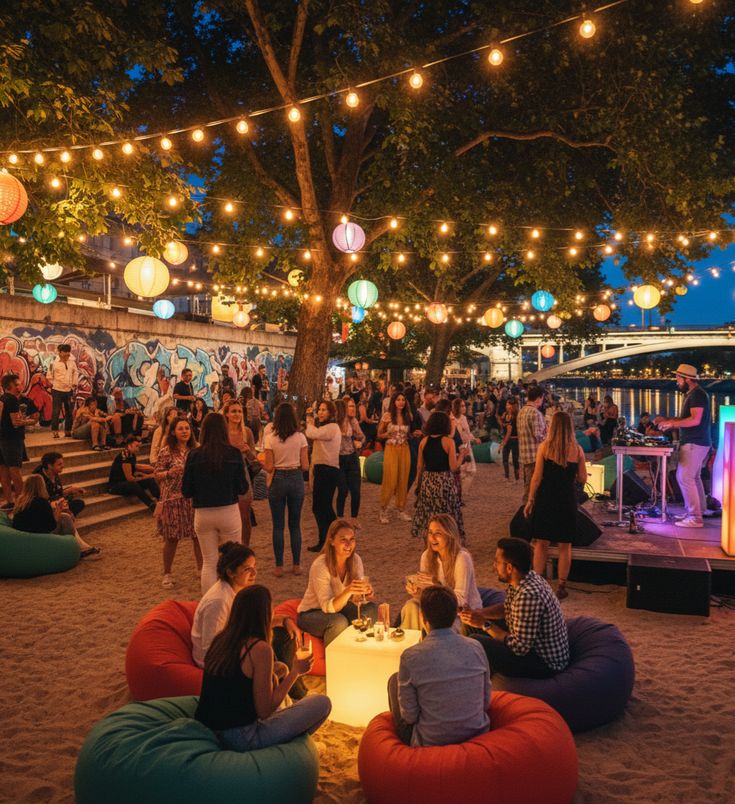
One of the primary goals of the Cultural festival is to preserve and promote local heritage. Cultural traditions, historical stories, crafts, and artistic expressions are often passed down through generations, making festivals an important tool for keeping these traditions alive.
Traditional Performances Captivate Audiences
Visitors enjoyed a variety of live performances representing regional customs and artistic traditions. Folk music, dance showcases, and theatrical presentations highlighted the unique cultural identity of the community.
Many cultural festivals worldwide use performances as a way to connect younger generations with traditional customs while introducing visitors to local history and values.
Artisan Markets Showcase Regional Talent
Local artisans displayed handcrafted products ranging from textiles and paintings to pottery and handmade jewelry. These markets provided visitors with opportunities to support local creators while learning about traditional craftsmanship.
The presence of artisan vendors also contributes to cultural preservation by encouraging continued interest in traditional skills and creative industries.
Economic Impact of the Cultural Festival
Beyond entertainment, the Cultural festival serves as a major economic engine for the downtown area.
Increased Visitor Spending
Thousands of visitors generated revenue for:
- Restaurants and cafes
- Retail stores
- Hotels and accommodations
- Transportation providers
- Local attractions
Studies of major festivals have shown that large-scale cultural events often generate millions in visitor spending and provide significant support for local economies.
Support for Small Businesses
Downtown businesses frequently report increased customer traffic during major events. Local entrepreneurs benefit from greater exposure, while visitors discover new products, services, and dining options.
This positive economic effect extends beyond the festival weekend, as many visitors return later to explore the area further.
How the Cultural Event Strengthens Community Connections
A successful cultural event does more than entertain – it strengthens relationships between residents, organizations, and local institutions.
Bringing Diverse Communities Together
The festival created opportunities for people from different backgrounds to share traditions, stories, and experiences. This type of cultural exchange promotes understanding and fosters stronger community bonds.
Community festivals are widely recognized for encouraging social cohesion, civic pride, and a sense of belonging among residents.
Encouraging Volunteer Participation
Hundreds of volunteers helped coordinate activities, assist visitors, and support event operations. Their involvement contributed to the welcoming atmosphere that attendees experienced throughout the event.
Volunteer engagement also helps build stronger community ownership and long-term support for future cultural programs.
Geographic Relevance and Tourism Benefits
The downtown location played a critical role in the success of the Cultural festival.
Downtown Revitalization
Hosting the event in the city center encouraged visitors to explore nearby shops, restaurants, museums, and public spaces. Many cities use cultural festivals as part of broader downtown revitalization efforts.
Historic examples show that festivals can significantly increase foot traffic and strengthen tourism appeal in urban centers.
Attracting Regional and International Visitors
Cultural tourism continues to grow globally as travelers seek authentic experiences connected to history, traditions, and local identity.
Events that highlight local heritage often become tourism attractions in their own right, helping destinations differentiate themselves and attract repeat visitors.
Key Highlights from This Year’s Cultural Festival
Several activities stood out as crowd favorites:
Live Entertainment Stages
Multiple stages featured musicians, dancers, and performers throughout the day, ensuring continuous entertainment.
Heritage Exhibitions
Interactive exhibits allowed visitors to learn about local history, customs, and traditions.
Food and Culinary Experiences
Regional cuisine proved highly popular, with food vendors offering traditional recipes and modern interpretations of local dishes.
Family-Friendly Activities
Children’s workshops, games, and educational programs helped make the festival accessible to families.
These attractions contributed to the strong attendance numbers and positive visitor feedback.
Frequently Asked Questions
What is a Cultural festival?
A Cultural festival is an event that celebrates traditions, arts, music, food, and community identity through performances, exhibitions, and activities.
Why are cultural festivals important?
They help preserve cultural traditions, support local artists, promote tourism, and strengthen community connections.
How does a cultural event benefit local businesses?
A cultural event attracts visitors who spend money on dining, shopping, accommodations, and entertainment, boosting the local economy.
What role does local heritage play in festivals?
Local heritage provides the foundation for many festival activities, including performances, exhibits, crafts, and storytelling experiences.
Can cultural festivals attract tourists?
Yes. Cultural tourism is growing worldwide, and festivals often draw visitors interested in authentic local experiences and traditions.
How do festivals help communities?
Festivals encourage social interaction, civic pride, volunteer participation, and cultural understanding among residents and visitors.
Conclusion
The annual Cultural festival once again demonstrated the power of culture to bring people together while generating economic opportunities and promoting tourism. By celebrating local heritage, supporting artists and businesses, and creating meaningful experiences for visitors, the festival continues to strengthen the community’s identity and downtown vitality.
As attendance numbers continue to grow, the future of this beloved tradition looks brighter than ever. Whether you’re a resident or a traveler seeking authentic cultural experiences, make plans to attend next year’s Cultural festival and experience firsthand the traditions, creativity, and community spirit that make it such a remarkable event.
Stay connected with local events, support cultural initiatives, and help preserve the traditions that enrich communities for generations to come.
Stay Informed With the Latest & Most Important News
Previous Post
Next Post