Now Reading: New Recycling Initiative Aims To Reduce Waste By Half
-
01
New Recycling Initiative Aims To Reduce Waste By Half

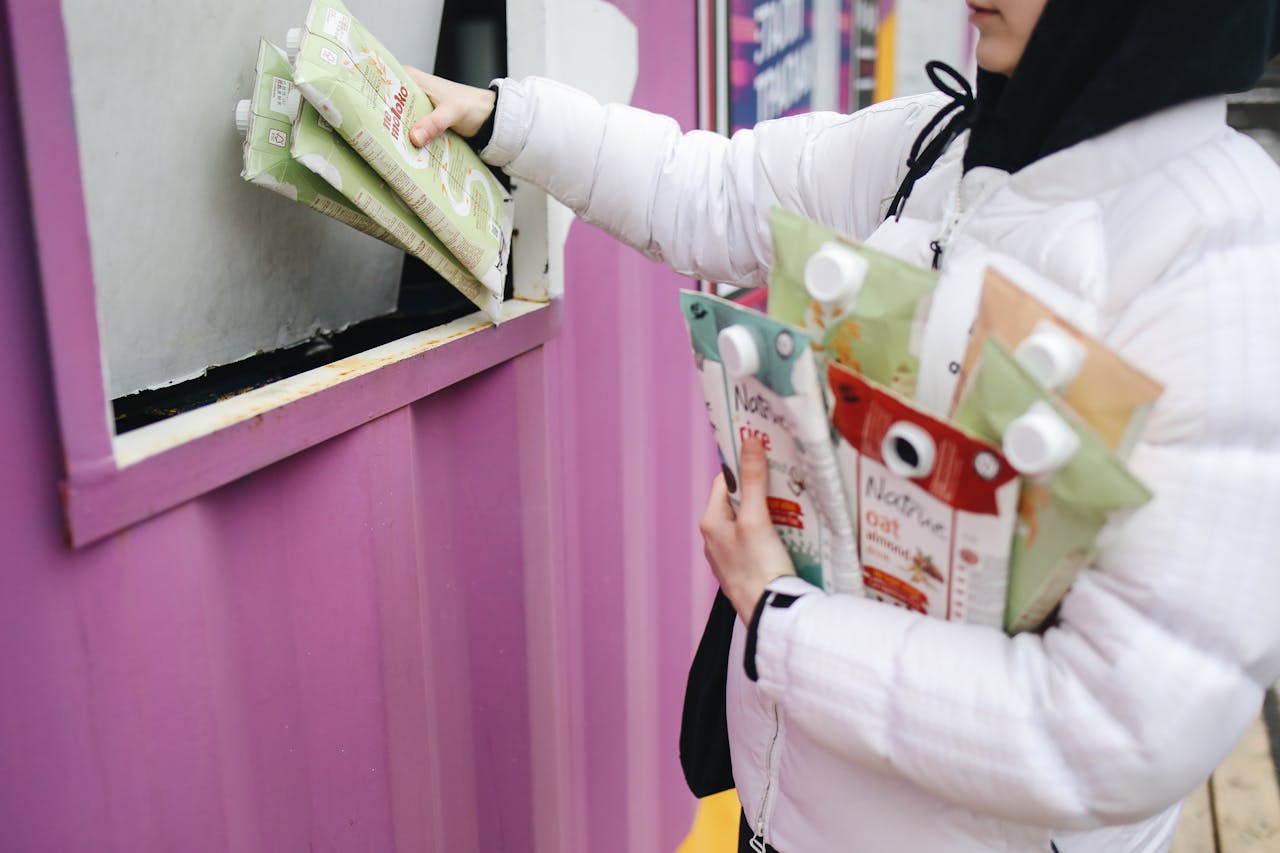
Waste management has become one of the most pressing environmental challenges of the modern era. With landfills reaching capacity and pollution levels continuing to rise, governments, businesses, and communities worldwide are searching for sustainable solutions. A new Recycling initiative launched in 2026 aims to reduce overall waste generation by 50%, marking a significant step toward a cleaner and more sustainable future.
The ambitious program combines advanced recycling technologies, public awareness campaigns, and stronger waste segregation systems to improve resource recovery and minimize landfill dependency. As environmental concerns continue to grow across cities and regions worldwide, this Recycling initiative has the potential to become a model for sustainable waste management and long-term environmental protection.
Understanding the New Recycling Initiative
The newly announced Recycling initiative focuses on transforming how waste is collected, sorted, processed, and reused. Rather than relying solely on traditional waste disposal methods, the program encourages individuals, businesses, and local authorities to participate actively in recycling efforts.
The primary goal is straightforward: reduce waste sent to landfills by half within the next several years. To achieve this objective, the initiative emphasizes:
- Improved household waste segregation
- Expansion of recycling infrastructure
- Public education and awareness programs
- Business participation in sustainability programs
- Increased use of recycled materials in manufacturing
- Support for circular economy practices
Experts believe that combining these strategies can significantly reduce environmental impact while creating economic opportunities in the recycling sector.
Why Waste Reduction Matters More Than Ever
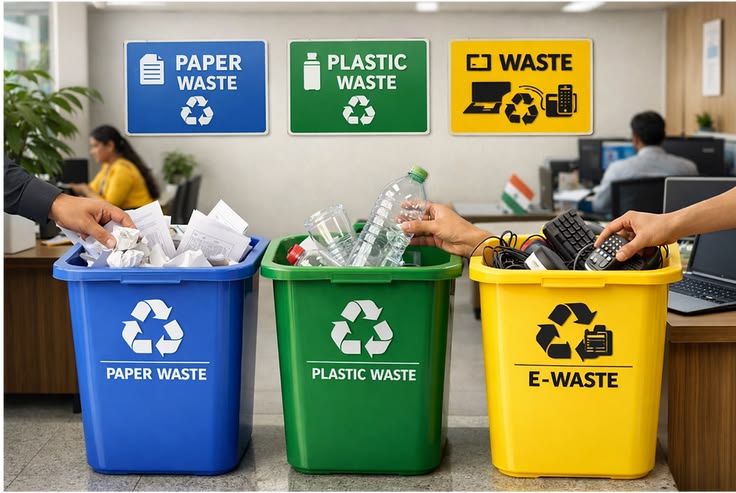
Global waste generation continues to increase due to population growth, urbanization, and rising consumption patterns. According to environmental studies, many countries struggle to recycle a large percentage of their waste effectively, leading to increased landfill usage and resource depletion. Efforts to improve recycling rates are considered essential for building a sustainable circular economy and reducing environmental pressure.
Landfills contribute to several environmental challenges, including:
Environmental Pollution
Improper waste disposal can contaminate soil, water sources, and ecosystems. Plastic waste, in particular, poses long-term environmental risks.
Greenhouse Gas Emissions
Organic waste in landfills generates methane, a potent greenhouse gas that contributes to climate change.
Resource Loss
Many discarded materials such as paper, plastic, glass, and metals can be reused through effective recycling systems rather than being permanently lost.
The new Recycling initiative addresses these issues by promoting resource recovery and reducing waste generation at the source.
How the Recycling Initiative Works
The success of the Recycling initiative depends on a coordinated approach involving governments, businesses, and citizens.
Smart Waste Collection Systems
Many participating regions are introducing upgraded collection systems that separate recyclable materials from general waste. Smart bins and digital tracking technologies help improve sorting accuracy and efficiency.
Public Recycling Campaign
A nationwide recycling campaign plays a central role in encouraging behavioral change. Educational programs teach residents how to sort waste correctly and understand the environmental benefits of recycling.
The campaign includes:
- School education programs
- Community workshops
- Social media awareness drives
- Local recycling events
- Business sustainability partnerships
Investment in Recycling Infrastructure
Modern recycling facilities can process larger volumes of waste while recovering more valuable materials. Investment in advanced sorting and processing technology is expected to increase recycling rates significantly.
The Role of the Circular Economy
One of the most important aspects of this Recycling initiative is its alignment with the principles of a circular economy.
A circular economy aims to keep materials in use for as long as possible through reuse, repair, refurbishment, and recycling. Instead of the traditional “take, make, dispose” model, resources remain within the production cycle.
Research shows that recycling serves as a foundation of the circular economy by transforming waste materials into valuable secondary resources. This reduces reliance on virgin materials, lowers energy consumption, and decreases environmental impact.
Examples include:
- Recycled plastic becoming new packaging materials
- Scrap metal being reused in manufacturing
- Paper products being converted into new paper goods
- Construction materials being repurposed for new projects
By supporting a circular economy, the initiative creates both environmental and economic benefits.
Geographic Impact and Community Benefits
The Recycling initiative is expected to have broad geographic relevance across urban, suburban, and rural regions.
Urban Areas
Cities generate large amounts of municipal waste daily. Enhanced recycling systems can significantly reduce landfill dependence while improving sanitation and cleanliness.
Rural Communities
Rural regions often face challenges related to waste collection and disposal. Expanded recycling infrastructure can provide more sustainable waste management options while creating local employment opportunities.
Regional Economic Growth
The recycling sector supports job creation in collection, transportation, processing, manufacturing, and environmental services. Studies indicate that circular economy activities can generate substantial employment opportunities while reducing environmental impacts.
Expected Outcomes of the Recycling Initiative
If successfully implemented, the Recycling initiative could deliver several measurable benefits:
Reduced Landfill Waste
The primary objective is a 50% reduction in landfill-bound waste, helping preserve land resources and reduce environmental degradation.
Higher Recycling Rates
Improved collection systems and public participation can significantly increase material recovery rates.
Lower Carbon Emissions
Recycling generally requires less energy than producing materials from raw resources, contributing to lower greenhouse gas emissions.
Increased Public Awareness
The ongoing recycling campaign helps build long-term sustainable habits among consumers and businesses.
Stronger Circular Economy
By keeping materials in circulation, the initiative supports resource efficiency and economic sustainability.
Internal Linking Suggestion
Related Article: [How Sustainable Travel Practices Help Protect Local Environments]
Frequently Asked Questions
What is the main goal of the Recycling initiative?
The primary goal is to reduce overall waste sent to landfills by 50% through improved recycling systems, education, and infrastructure development.
How does the recycling campaign help communities?
The recycling campaign raises awareness about proper waste sorting, recycling benefits, and sustainable lifestyle choices.
What is a circular economy?
A circular economy is an economic model that keeps products and materials in use through reuse, repair, and recycling instead of disposal.
Why is reducing landfill waste important?
Reducing landfill waste helps lower pollution, decrease greenhouse gas emissions, and conserve valuable natural resources.
Can businesses participate in the Recycling initiative?
Yes. Businesses can improve waste management practices, use recycled materials, and support sustainability programs as part of the initiative.
How will the Recycling initiative benefit future generations?
The initiative helps conserve resources, reduce pollution, and create a more sustainable environment for future generations.
Conclusion
The new Recycling initiative represents a major step toward sustainable waste management and environmental responsibility. By combining advanced recycling systems, community engagement, and a strong recycling campaign, the program aims to cut waste levels by half while supporting the transition to a thriving circular economy.
Success will depend on collaboration among governments, businesses, and individuals. Every recycled item contributes to a cleaner environment, reduced pollution, and a more sustainable future. Now is the time to support local recycling efforts, adopt responsible waste management habits, and become part of the solution.

Stay Informed With the Latest & Most Important News
Previous Post
Next Post