Now Reading: How to Plan a Multi-City Trip Without Overspending
-
01
How to Plan a Multi-City Trip Without Overspending

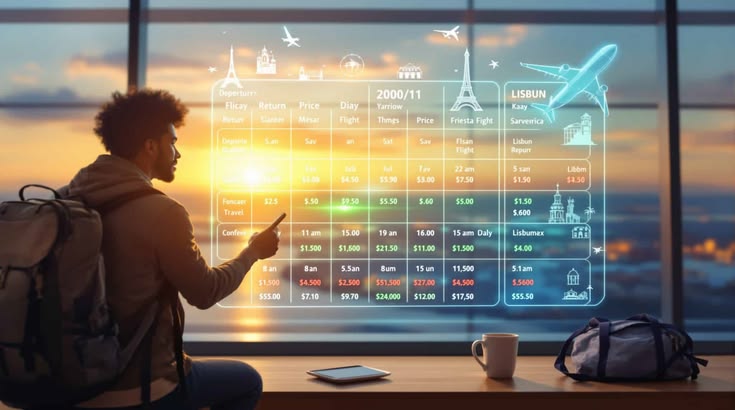
A well-planned multi-city trip is one of the most rewarding ways to explore the world. Instead of limiting yourself to a single destination, you can experience different cultures, landscapes, cuisines, and attractions within one journey. Whether you’re exploring multiple countries across Europe, discovering several cities in Japan, or combining beaches, mountains, and urban adventures in South America, traveling to more than one destination allows you to maximize your vacation. However, without careful planning, transportation costs, accommodation expenses, and unexpected fees can quickly exceed your budget.
Fortunately, organizing an affordable multi-city trip is entirely possible with smart research and strategic travel planning. By choosing efficient transportation, booking flights wisely, creating a realistic itinerary, and managing daily expenses, travelers can enjoy an unforgettable journey without overspending. This guide shares practical advice, expert insights, and proven strategies to help you plan an efficient and budget-friendly adventure anywhere in the world.
Why Choose a Multi-City Trip?
Travelers increasingly prefer multi-destination travel because it offers greater flexibility and richer experiences than visiting a single location. Instead of spending an entire vacation in one city, you can discover different regions, climates, and cultures while making the most of international flights.
For example, someone visiting Europe might combine Paris, Amsterdam, and Berlin in one itinerary, while travelers exploring Southeast Asia could include Bangkok, Singapore, and Kuala Lumpur. In South America, destinations such as Lima, Cusco, and La Paz can be connected efficiently through regional transportation networks.
The biggest advantages include:
- More destinations in one vacation.
- Better value from international airfare.
- Diverse cultural experiences.
- Flexible sightseeing opportunities.
- Efficient use of vacation time.
- Memorable travel experiences.
With proper organization, visiting multiple destinations often provides greater overall value than several separate trips.
Start with Smart Itinerary Planning
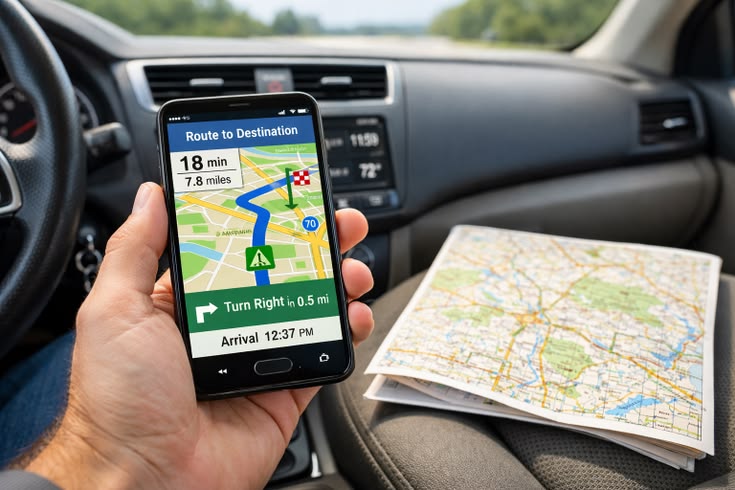
Successful itinerary planning forms the foundation of every affordable journey. Rather than selecting destinations randomly, group cities based on geography to reduce unnecessary travel time and transportation costs.
A logical travel route not only saves money but also minimizes fatigue. For example, traveling north to south-or east to west-creates a smoother journey than repeatedly backtracking between destinations.
When building your itinerary, consider factors such as travel distances, visa requirements, weather conditions, local festivals, and available transportation. Allocating sufficient time in each destination also allows for a more relaxed and enjoyable experience.
Careful planning before departure often prevents expensive last-minute changes during the trip.
Book Flights Strategically
One of the largest expenses of any multi-city trip is airfare. Fortunately, modern airline booking platforms allow travelers to search for multi-city routes that may cost less than purchasing several one-way tickets separately.
Open-jaw flights-where you arrive in one city and depart from another-can also reduce unnecessary return journeys and help maximize your travel time.
To secure better prices:
- Compare multi-city flight options.
- Book international flights several months in advance.
- Be flexible with departure dates.
- Consider nearby airports.
- Use fare alerts before booking.
- Avoid peak holiday seasons whenever possible.
These simple flight booking strategies can significantly reduce transportation expenses.
Choose Cost-Effective Transportation
Once you arrive, selecting the right transportation between cities becomes equally important.
Many regions offer affordable high-speed trains, overnight buses, regional flights, and ferries that provide excellent alternatives to expensive domestic air travel. Europe’s rail networks, Japan’s bullet trains, and South America’s long-distance buses are popular choices among experienced travelers.
Public transportation within cities also helps reduce daily expenses while allowing visitors to experience local life more authentically.
Before departure, compare transportation options based on travel time, convenience, comfort, and overall cost rather than focusing solely on ticket prices.
Manage Your Travel Budget Wisely
Sticking to a realistic travel budget requires balancing transportation, accommodation, food, sightseeing, and emergency expenses.
Rather than spending heavily in every destination, identify which experiences matter most. You may choose luxury accommodations in one city while selecting budget-friendly hotels or hostels elsewhere. Similarly, enjoying local restaurants instead of tourist-focused dining can significantly lower daily costs without sacrificing authentic experiences.
Tracking expenses throughout the journey helps prevent overspending and makes it easier to adjust your budget if necessary.
Many travelers also benefit from setting daily spending limits while leaving room for unexpected opportunities and memorable experiences.
Travel Smarter with Practical Travel Hacks
Experienced travelers often rely on simple travel hacks to save both time and money.
Packing light helps avoid airline baggage fees while making transportation between cities easier. Carrying a reusable water bottle, booking accommodations with breakfast included, and purchasing city transportation passes can also reduce everyday expenses.
Additional ways to save include:
- Travel during shoulder seasons.
- Book attractions online in advance.
- Use free walking tours.
- Stay near public transportation.
- Travel overnight when appropriate.
- Monitor exchange rates before converting currency.
Small savings across multiple destinations often add up to substantial reductions in total travel costs.
Stay Flexible During Your Journey
Even the most detailed vacation planning cannot predict every situation. Flight delays, weather changes, transportation strikes, or unexpected discoveries may require adjustments along the way.
Building flexibility into your itinerary helps reduce stress while allowing opportunities to explore hidden attractions or spend additional time in places you particularly enjoy.
Leaving one or two unscheduled periods throughout the trip also creates space for spontaneous adventures without disrupting your overall travel plan.
Flexibility often transforms a well-organized vacation into an unforgettable travel experience.
Frequently Asked Questions (FAQs)
1. What is a multi-city trip?
A multi-city trip involves visiting two or more destinations during one vacation instead of staying in a single location throughout the journey.
2. Are multi-city flights cheaper?
In many cases, yes. Multi-city and open-jaw flight bookings can reduce airfare costs while eliminating unnecessary return travel between destinations.
3. How many cities should I include in one trip?
Most travelers comfortably explore three to five destinations over a 10–14-day vacation, depending on travel distances and transportation options.
4. How do I stay within my travel budget?
Plan transportation carefully, book accommodations early, use public transit, monitor daily expenses, and prioritize experiences that matter most.
5. Is multi-destination travel suitable for families?
Yes. With thoughtful travel planning, families can enjoy multi-destination travel by selecting convenient transportation, child-friendly accommodations, and balanced itineraries.
6. What’s the biggest mistake when planning a multi-city trip?
Trying to visit too many destinations in too little time often leads to travel fatigue, higher transportation costs, and less enjoyable experiences.
Conclusion
Planning a successful multi-city trip doesn’t require an unlimited budget-it simply requires thoughtful preparation and smart decision-making. By focusing on efficient itinerary planning, strategic flight booking, affordable transportation, and disciplined travel budget management, you can explore multiple destinations while keeping expenses under control. Incorporating practical travel hacks and maintaining flexibility throughout your journey further enhances both convenience and overall travel value.
Whether you’re planning a cross-country adventure or an international itinerary spanning several countries, careful travel planning allows you to experience more destinations without unnecessary financial stress. Start organizing your next multi-city adventure today and discover how thoughtful planning can turn one vacation into a collection of unforgettable experiences across the world.
Related Posts

Stay Informed With the Latest & Most Important News
Previous Post
Next Post