Now Reading: Why Regenerative Tourism Is Changing the Way People Travel
-
01
Why Regenerative Tourism Is Changing the Way People Travel

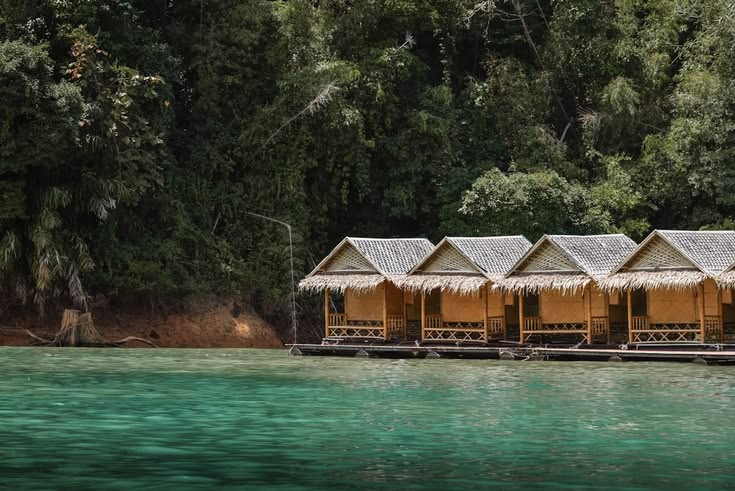
Travel has traditionally been measured by the experiences visitors gain, but a new approach is asking a bigger question: what if destinations could be better because people visited them? Regenerative tourism is built around this idea, encouraging travelers, businesses, and local communities to restore natural environments, strengthen local economies, and protect cultural heritage rather than simply minimizing the negative effects of tourism. As interest in responsible and meaningful travel grows, regenerative travel is becoming an important evolution beyond conventional sustainable tourism.
From community-led projects in Costa Rica and New Zealand to conservation initiatives in Africa and rural tourism programs across Europe, the movement is changing how destinations think about visitors. Instead of treating tourism as an industry that should simply reduce its footprint, regenerative tourism aims to create measurable positive outcomes for people and places.
What Is Regenerative Tourism?
Regenerative tourism focuses on leaving a destination healthier, stronger, or more resilient than it was before the visitor arrived. Sustainable tourism generally aims to reduce environmental and social harm, while regenerative approaches go a step further by actively contributing to restoration and renewal.
A regenerative trip might support:
- Habitat restoration and nature conservation.
- Locally owned accommodation and businesses.
- Community-based tourism initiatives.
- Cultural preservation programs.
- Conservation tourism projects.
- Local employment and skills development.
The concept does not mean every traveler needs to participate in a conservation project. Everyday choices, such as where you stay, what you buy, and which experiences you book, can influence whether tourism revenue remains within the destination.
How Regenerative Travel Goes Beyond Sustainability

The distinction between regenerative travel and sustainable tourism is important. Sustainability asks how tourism can operate without exhausting resources or causing unnecessary damage. Regeneration asks how tourism can actively contribute to improving the destination.
For example, a sustainable hotel might reduce its water consumption, minimize waste, and use renewable energy. A regenerative property could additionally invest in restoring surrounding ecosystems, purchase food from nearby farmers, and help fund community development.
This creates a broader travel philosophy based on three connected priorities:
- Protecting natural ecosystems.
- Strengthening local communities.
- Preserving cultural identity and heritage.
The goal is to create a relationship where visitors, residents, businesses, and the environment can benefit together.
Local Communities Are Becoming Central to Travel
One of the biggest changes driven by regenerative tourism is the increased focus on local ownership and participation. Tourism can generate employment and income, but the economic benefits are not always distributed evenly.
Regenerative models attempt to keep more tourism revenue within the destination by supporting locally owned businesses and community-led experiences.
Travelers can contribute by choosing:
- Locally owned guesthouses and hotels.
- Independent restaurants and cafés.
- Local guides and activity providers.
- Artisan workshops.
- Community-run cultural experiences.
- Regional food producers.
This approach transforms tourism spending from a simple transaction into a way of supporting the communities that make destinations unique.
Conservation Tourism Gives Travel a Purpose
Nature-based tourism has long supported conservation, but regenerative models place greater emphasis on measurable restoration. Instead of simply visiting a national park, travelers may support projects that protect wildlife habitats, restore forests, or improve biodiversity.
Destinations such as Costa Rica have demonstrated how tourism and conservation can work together. In parts of Africa, safari tourism contributes to wildlife protection and local employment, while destinations such as New Zealand have developed visitor experiences around environmental stewardship and indigenous perspectives.
Well-designed conservation tourism can help fund:
- Wildlife protection.
- Reforestation.
- Marine conservation.
- Habitat restoration.
- National park management.
- Environmental education.
The important factor is transparency. Travelers should look for programs that clearly explain where their money goes and how projects measure their impact.
Regenerative Tourism Is Changing the Meaning of Authentic Experiences
Modern travelers increasingly want experiences that feel connected to local life rather than simply checking famous attractions off a list. Regenerative travel fits naturally into this shift because it encourages deeper interaction with communities and landscapes.
Instead of spending an afternoon at a commercial attraction, travelers might participate in a farm experience, learn traditional crafts, explore a protected ecosystem with a local guide, or stay in a community-run property.
These experiences can provide a more meaningful connection to a destination while helping preserve traditions that might otherwise disappear.
Rural Destinations Can Benefit from the Regenerative Model
Tourism is often concentrated in major cities and famous attractions, creating overcrowding while smaller communities receive fewer economic benefits. Regenerative tourism can help redistribute visitors toward rural and less-developed destinations.
Community-based tourism projects can encourage travelers to explore:
- Rural villages.
- Agricultural regions.
- Mountain communities.
- Coastal settlements.
- Indigenous territories.
- Lesser-known heritage areas.
Spreading tourism geographically can create new employment opportunities and reduce pressure on heavily visited destinations.
Food Is Becoming Part of Regenerative Travel
Food offers one of the simplest ways travelers can support local economies. Choosing regional cuisine, visiting farmers’ markets, and eating at independent restaurants can keep more money within the destination.
Local food systems can also reduce transportation requirements while preserving agricultural traditions and regional culinary identity.
Travelers can make a difference by:
- Choosing seasonal local dishes.
- Buying directly from producers.
- Supporting family-run restaurants.
- Visiting local food markets.
- Avoiding unnecessary food waste.
A meal can therefore become more than part of a vacation-it can be an investment in the destination’s economy and cultural heritage.
How Travelers Can Make More Regenerative Choices
You don’t need to completely change the way you travel to embrace regenerative principles. Small decisions throughout a trip can collectively create meaningful benefits.
Before booking, consider whether your choices:
- Support local ownership.
- Contribute to conservation.
- Respect local culture.
- Reduce environmental pressure.
- Benefit residents economically.
Choosing fewer destinations and spending more time in each place can also encourage deeper engagement while reducing the environmental impact associated with frequent transportation.
Technology Is Making Responsible Choices Easier
Digital platforms are increasingly helping travelers identify sustainable and community-focused businesses. Travelers can research accommodation practices, local tour operators, conservation initiatives, and transportation options before arriving.
However, labels such as “eco-friendly” or “green” should not automatically be treated as proof of meaningful impact. Travelers should look for specific information about environmental practices, local employment, community investment, and conservation outcomes.
Transparency is one of the strongest indicators of credible ethical tourism.
The Future of Regenerative Tourism
As destinations face climate change, biodiversity loss, overtourism, and pressure on local resources, tourism models are likely to evolve. Regenerative tourism offers a framework for connecting tourism growth with environmental restoration and community resilience.
The movement is particularly relevant in destinations where tourism directly depends on natural resources. Coral reefs, forests, wildlife habitats, mountain landscapes, and cultural heritage can all benefit when visitor spending is directed toward long-term protection.
For destinations, the challenge is creating systems that measure positive outcomes rather than relying solely on marketing claims.
Frequently Asked Questions
1. What is regenerative tourism?
Regenerative tourism is an approach to travel that aims to leave destinations better than visitors found them by supporting environmental restoration, local communities, cultural preservation, and long-term resilience.
2. How is regenerative tourism different from sustainable tourism?
Sustainable tourism generally focuses on reducing negative impacts, while regenerative tourism aims to create positive environmental, economic, and social outcomes.
3. How can travelers practice regenerative travel?
Travelers can support local businesses, choose community-based experiences, participate in conservation initiatives, respect local cultures, reduce waste, and spend more time exploring destinations responsibly.
4. What is community-based tourism?
Community-based tourism is tourism that is owned, managed, or significantly influenced by local communities. It can help keep tourism income within the destination and support local development.
5. Does regenerative tourism help conservation?
Yes. Well-designed projects can direct tourism revenue toward habitat restoration, wildlife protection, reforestation, marine conservation, and environmental education.
6. Where can travelers experience regenerative tourism?
Regenerative initiatives exist worldwide, including community and conservation projects in Costa Rica, Africa, New Zealand, Europe, Latin America, and many rural and indigenous destinations.
Conclusion
Regenerative tourism represents a broader way of thinking about travel-one where the goal isn’t simply to see beautiful places but to contribute to their long-term wellbeing. By supporting local communities, choosing responsible businesses, protecting ecosystems, and respecting cultural traditions, travelers can help create positive outcomes while enjoying more meaningful experiences.
The growth of regenerative travel suggests that the future of tourism may be less about how many places we can visit and more about the value we create while visiting them. Choose your next destination thoughtfully, support the people and environments that make it special, and make your next journey an opportunity to leave a positive footprint.
Stay Informed With the Latest & Most Important News
Previous Post
Next Post