Now Reading: Why Are More Travelers Choosing Slow Travel Over Traditional Tourism in 2026?
-
01
Why Are More Travelers Choosing Slow Travel Over Traditional Tourism in 2026?
Why Are More Travelers Choosing Slow Travel Over Traditional Tourism in 2026?

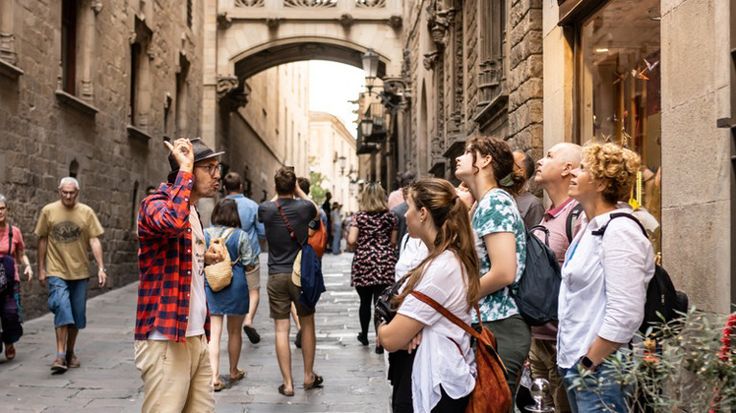
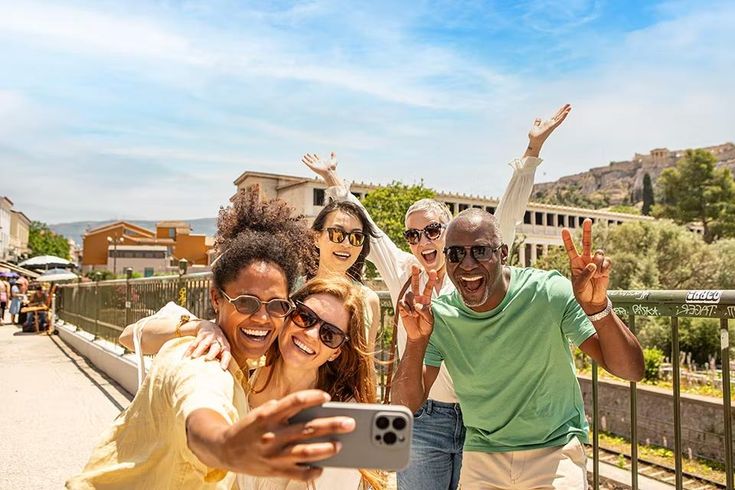
In 2026, slow travel is becoming one of the most influential movements in the global tourism industry. Instead of rushing through multiple destinations in a short period, travelers are choosing to spend more time in fewer places, focusing on meaningful experiences and deeper cultural connections. As travel habits evolve, many people are moving away from traditional tourism and embracing a more intentional approach to exploring the world.
The rise of slow travel reflects changing traveler priorities. Modern tourists increasingly value authentic experiences, sustainability, and personal well-being over packed itineraries and rushed sightseeing schedules. As a result, this travel philosophy is emerging as one of the most important travel trends 2026 has to offer.
What Is Slow Travel?
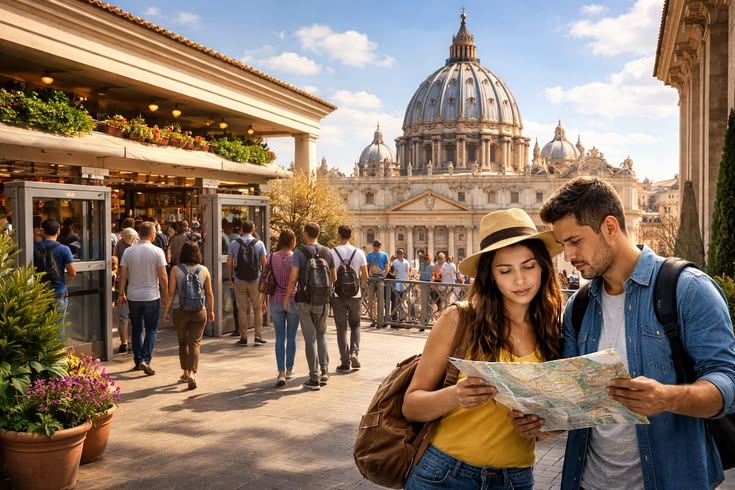
Slow travel is a travel philosophy that emphasizes quality over quantity. Rather than visiting several destinations in a single trip, travelers spend extended periods in one location to better understand its culture, people, and lifestyle.
The concept encourages travelers to move at a comfortable pace while minimizing environmental impact and maximizing cultural engagement.
Key characteristics of slow travel include:
- Longer stays in fewer destinations – Travelers focus on depth rather than destination hopping.
- Meaningful cultural interactions – Visitors engage with local communities and traditions.
- Reduced transportation frequency – Fewer flights and transfers lower travel stress.
- Flexible itineraries – Plans allow room for spontaneous discoveries.
- Sustainable decision-making – Travelers make environmentally conscious choices.
This approach creates more rewarding and memorable journeys.
Why Is Slow Travel Growing in Popularity?
Several factors are contributing to the growing demand for slow tourism worldwide.
Travelers today are seeking experiences that feel more authentic, less stressful, and more aligned with their personal values. Increased awareness of environmental issues and changing work patterns have also encouraged people to rethink how they travel.
Many travelers now prioritize experiences over checklists, making slow travel an attractive alternative to traditional tourism.
The Benefits of Slow Travel in 2026
Deeper Cultural Connections
One of the biggest advantages of local culture travel is the opportunity to build genuine relationships with local communities.
Benefits include:
- Learning local customs – Travelers gain firsthand understanding of cultural traditions.
- Supporting local businesses – Spending stays within local economies rather than large chains.
- Participating in community activities – Visitors experience daily life beyond tourist attractions.
- Discovering hidden gems – Local recommendations often reveal lesser-known destinations.
- Improving cultural awareness – Extended exposure fosters greater understanding and respect.
These experiences often become the most memorable parts of a journey.
More Immersive Travel Experiences
Modern travelers increasingly seek immersive travel experiences rather than surface-level sightseeing.
Advantages include:
- Greater destination familiarity – Longer visits provide deeper insights into a place.
- Authentic interactions – Travelers engage with residents instead of only tourism services.
- Language learning opportunities – Extended stays encourage practical communication skills.
- Personal growth – New experiences broaden perspectives and confidence.
- Stronger emotional connections – Travelers develop meaningful memories and relationships.
This level of immersion is difficult to achieve through traditional tourism.
Reduced Travel Stress
Traditional tourism often involves tight schedules, frequent transportation, and constant movement.
Slow travel offers a more relaxed alternative.
Benefits include:
- Fewer transportation hassles – Less time spent navigating airports and train stations.
- Flexible schedules – Travelers can adjust plans without pressure.
- More time to explore – Attractions can be enjoyed at a comfortable pace.
- Improved well-being – Reduced rushing contributes to a more enjoyable experience.
- Better work-life balance – Digital nomads can combine travel and productivity.
This makes travel feel less exhausting and more fulfilling.
How Slow Travel Supports Sustainable Travel
Environmental concerns are playing a major role in shaping travel choices in 2026.
Many travelers are embracing sustainable travel practices that reduce their ecological footprint while supporting local communities.
Lower Carbon Emissions
One of the most significant benefits of slow tourism is reduced transportation-related emissions.
Ways it helps include:
- Fewer flights – Longer stays reduce the number of trips taken annually.
- More train travel – Rail transportation often has lower emissions than air travel.
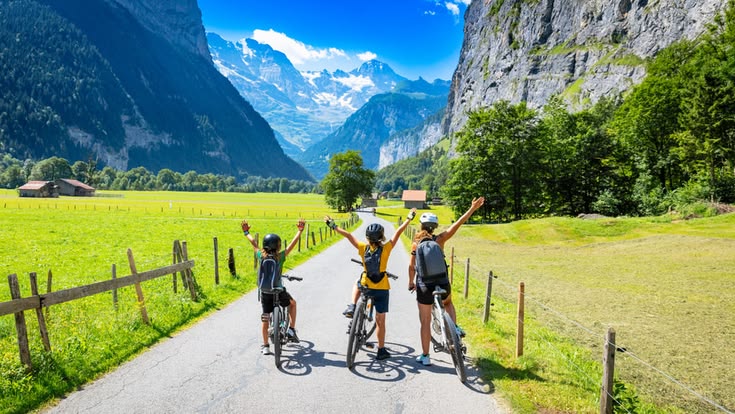
- Walkable exploration – Travelers rely more on walking and cycling.
- Reduced fuel consumption – Less frequent transportation decreases environmental impact.
- Encouragement of regional travel – Nearby destinations become more attractive.
These practices contribute to more environmentally responsible tourism.
Responsible Travel Choices
Many travelers are embracing responsible travel principles when selecting destinations and accommodations.
Examples include:
- Choosing eco-friendly accommodations – Sustainable hotels reduce environmental impact.
- Supporting local artisans – Purchases directly benefit communities.
- Respecting local traditions – Travelers contribute positively to cultural preservation.
- Reducing overtourism pressure – Less crowded destinations benefit from balanced tourism.
- Participating in conservation efforts – Travelers engage with environmental initiatives.
Responsible decisions help create long-term benefits for destinations worldwide.
Extended Stays Are Changing Travel Behavior
One major reason behind the growth of slow travel is the increasing popularity of extended stays.
Remote work opportunities have enabled travelers to spend weeks or even months in a single destination.
Benefits of extended stays include:
- Lower accommodation costs – Long-term rental discounts improve affordability.
- Greater local integration – Travelers become part of daily community life.
- More productive remote work environments – Stable routines support professional responsibilities.
- Deeper exploration opportunities – Travelers uncover areas beyond major attractions.
- Improved travel value – Longer stays often deliver richer experiences for the same budget.
This trend is particularly visible in destinations across Europe, Southeast Asia, Latin America, and Australia.
Slow Travel vs Traditional Tourism
Slow Travel
- Focuses on meaningful experiences – Prioritizes quality interactions over quantity.
- Encourages sustainability – Supports environmentally conscious travel habits.
- Promotes cultural immersion – Builds stronger local connections.
- Reduces travel stress – Creates a more relaxed journey.
- Supports local economies – Directly benefits communities.
Traditional Tourism
- Visits multiple destinations quickly – Maximizes sightseeing opportunities.
- Follows structured itineraries – Often includes fixed schedules.
- Focuses on major attractions – Prioritizes popular landmarks.
- Requires frequent transportation – Involves more movement between destinations.
- Offers less local engagement – Time limitations can reduce cultural immersion.
Both approaches have value, but many travelers now prefer the depth offered by slow travel.
The Future of Travel Trends in 2026
As global tourism continues to evolve, slow travel is expected to remain one of the most important travel trends 2026 will be known for.
Several factors support its continued growth:
- Remote work flexibility – Enables longer stays abroad.
- Sustainability awareness – Encourages environmentally responsible tourism.
- Demand for authentic experiences – Travelers seek meaningful connections.
- Improved transportation networks – Rail and regional travel options continue expanding.
- Changing traveler priorities – Quality experiences increasingly outweigh quantity.
These shifts suggest that slow tourism will continue shaping the future of global travel.
Conclusion
In 2026, slow travel is more than just a travel trend-it represents a fundamental shift in how people explore the world. By prioritizing meaningful experiences, cultural immersion, sustainability, and personal well-being, travelers are discovering the benefits of moving at a slower pace.
From supporting sustainable travel initiatives to creating unforgettable immersive travel experiences, slow tourism offers a compelling alternative to traditional tourism. As more travelers embrace responsible travel, longer stays, and deeper local engagement, the future of tourism is becoming more thoughtful and rewarding.
If you’re planning your next adventure, consider embracing slow travel and experience destinations in a way that is richer, more authentic, and ultimately more memorable.
Frequently Asked Questions (FAQs)
1. What is slow travel?
Slow travel is a travel approach that focuses on spending more time in fewer destinations to create deeper cultural connections and more meaningful experiences.
2. Why is slow tourism becoming popular in 2026?
Slow tourism is growing because travelers increasingly value sustainability, authentic experiences, flexibility, and reduced travel stress.
3. How does slow travel support sustainable travel?
Slow travel reduces transportation-related emissions, supports local businesses, and encourages environmentally responsible tourism practices.
4. What are immersive travel experiences?
Immersive travel experiences involve actively participating in local culture, traditions, and daily life rather than simply visiting tourist attractions.
5. Are extended stays more affordable than short trips?
In many cases, extended stays can lower accommodation costs, reduce transportation expenses, and provide better overall travel value.
6. Is slow travel suitable for digital nomads?
Yes, slow travel is particularly popular among digital nomads because it allows them to balance work responsibilities with meaningful travel experiences.
Stay Informed With the Latest & Most Important News
Previous Post
Next Post