Now Reading: Unique Villages Around the World That Preserve Traditional Ways of Life
-
01
Unique Villages Around the World That Preserve Traditional Ways of Life

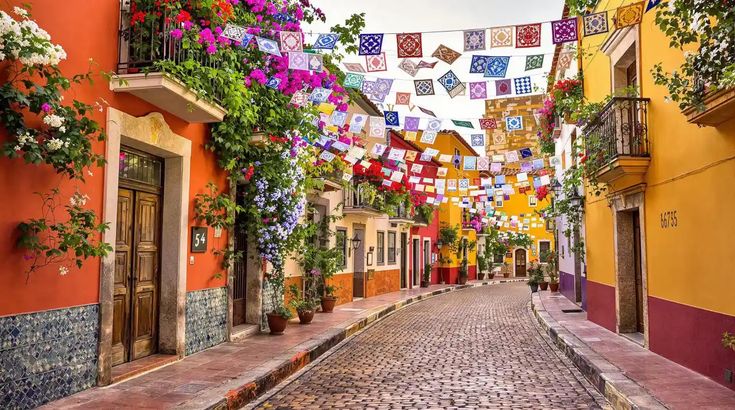
In a rapidly modernizing world, many travelers are seeking destinations that offer deeper cultural connections rather than fast-paced city experiences. Among the most rewarding places to visit are traditional villages, where generations continue to preserve ancient customs, local craftsmanship, indigenous knowledge, and community-centered lifestyles. These villages provide visitors with an authentic glimpse into cultures that have remained remarkably resilient despite globalization.
From the mountain communities of Peru and Nepal to the stone-built villages of Greece and the tribal settlements of Africa, traditional villages offer experiences that cannot be replicated in modern tourist attractions. Travelers can witness centuries-old festivals, traditional farming methods, handcrafted arts, and local cuisines while supporting sustainable tourism initiatives. As interest in meaningful and responsible travel continues to grow, these destinations have become increasingly important for preserving cultural identity and encouraging respectful cultural travel. This guide explores some of the world’s most remarkable villages that continue to protect their heritage while welcoming visitors with genuine hospitality.
Why Traditional Villages Matter in Modern Tourism
The importance of traditional villages extends far beyond their scenic beauty. These communities serve as living museums where history, architecture, language, customs, and craftsmanship continue to thrive through everyday life rather than staged performances.
Unlike large cities where modernization often replaces historical practices, traditional villages maintain strong cultural identities that have been passed down through generations. Visitors can observe authentic ceremonies, family-run workshops, agricultural traditions, and community celebrations that reflect the unique heritage of each region.
The growing popularity of rural and heritage tourism has also provided economic opportunities that encourage younger generations to preserve these traditions instead of abandoning them.
Cultural Villages Offer Authentic Travel Experiences
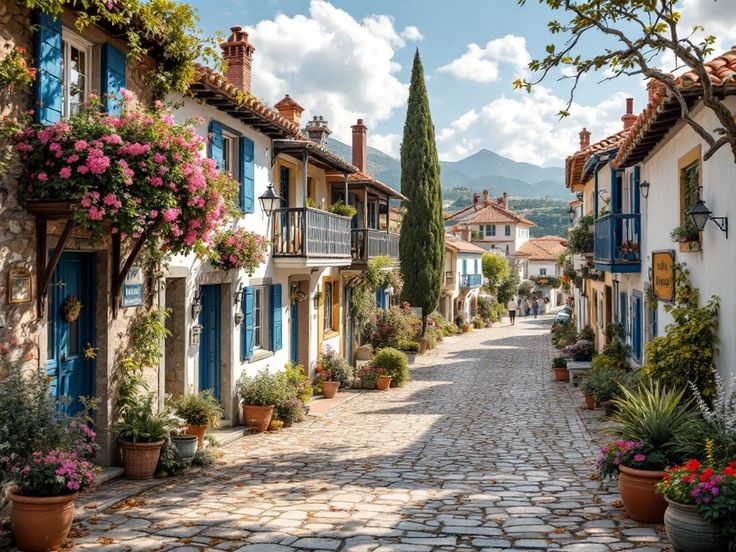
Many travelers now prioritize immersive experiences over traditional sightseeing, making cultural villages increasingly attractive destinations.
Instead of simply observing local culture, visitors often participate directly in community life. Activities may include cooking regional dishes, learning traditional weaving techniques, attending folk music performances, or joining seasonal festivals celebrated by local families.
These authentic experiences create meaningful cultural exchanges while fostering mutual respect between travelers and host communities.
Some memorable experiences often found in cultural villages include:
- Traditional craft workshops.
- Local cooking classes.
- Folk music and dance performances.
- Agricultural activities.
- Guided heritage walks.
- Community festivals.
These activities allow visitors to appreciate culture through genuine participation rather than observation alone.
Indigenous Culture Remains at the Heart of Many Communities
Across every continent, numerous villages continue to preserve indigenous culture despite increasing globalization.
In Peru’s Sacred Valley, Indigenous Quechua communities continue practicing ancient weaving techniques and agricultural traditions inherited from the Inca civilization. In northern Scandinavia, Sámi communities maintain reindeer herding traditions that have shaped Arctic life for centuries. Meanwhile, Indigenous villages in Australia, Canada, New Zealand, and parts of Africa actively protect traditional knowledge, storytelling, languages, and spiritual customs.
Respectful tourism helps raise awareness of Indigenous heritage while supporting local economies and cultural preservation initiatives.
Travelers who approach these experiences with curiosity and sensitivity often gain valuable insights into diverse ways of life that differ significantly from modern urban societies.
Heritage Destinations Preserve History for Future Generations
Many heritage destinations combine historical architecture with vibrant living communities.
Stone villages in Italy’s Cinque Terre region, Japan’s Shirakawa-go, Morocco’s mountain settlements, and Spain’s medieval villages continue to preserve centuries-old buildings while remaining active places where families live and work.
Some of these locations have received UNESCO Heritage recognition due to their outstanding cultural significance and architectural value. UNESCO designation often supports conservation projects, responsible tourism, and international awareness of endangered cultural landscapes.
Preserving these destinations allows future generations to experience living history rather than reconstructed historical exhibits.
Local Traditions Strengthen Community Identity
One of the defining characteristics of traditional villages is the continued practice of local traditions.
Seasonal festivals, religious ceremonies, handcrafted textiles, pottery, music, dance, and agricultural rituals often remain central to community life. Rather than existing solely for tourism, these customs continue because they represent the identity and values of local residents.
Visitors frequently discover that village traditions reflect deep relationships with nature, family, spirituality, and local history.
Experiencing these customs firsthand creates stronger cultural understanding while encouraging respectful interactions between travelers and communities.
Rural Tourism Supports Sustainable Development
The rise of rural tourism has created new opportunities for villages seeking sustainable economic growth.
Instead of relying solely on agriculture, many communities now generate income through homestays, guided cultural experiences, local handicrafts, traditional restaurants, and eco-friendly accommodations.
This diversified economy helps reduce rural migration while encouraging younger generations to remain within their communities and continue preserving traditional knowledge.
Responsible tourism also promotes environmental conservation by encouraging visitors to appreciate natural landscapes alongside cultural heritage.
As a result, rural tourism benefits both travelers and local residents.
Community Tourism Creates Shared Benefits
An increasing number of community tourism initiatives place local residents at the center of tourism development.
Rather than allowing outside companies to control tourism activities, community-based models ensure that economic benefits remain within the village. Local guides, artisans, farmers, and small business owners all contribute directly to visitor experiences while maintaining control over cultural representation.
This approach encourages sustainable tourism practices that respect community values, protect cultural heritage, and improve local livelihoods.
For travelers, community tourism offers deeper, more authentic connections than conventional sightseeing tours.
Cultural Travel Encourages Responsible Exploration
Modern cultural travel emphasizes learning, respect, and meaningful engagement rather than simply visiting famous landmarks.
Travelers increasingly seek destinations where they can understand local lifestyles, support traditional craftsmanship, and contribute positively to community development.
Choosing smaller villages instead of heavily visited tourist centers also helps reduce overtourism while distributing tourism income more evenly across regions.
By traveling responsibly, visitors become active participants in preserving the world’s cultural diversity.
Frequently Asked Questions (FAQs)
1. What are traditional villages?
Traditional villages are communities that continue preserving historical architecture, local customs, cultural heritage, and traditional lifestyles passed down through generations.
2. Why are cultural villages important?
Cultural villages protect regional identities, preserve traditional knowledge, support local economies, and offer authentic experiences for visitors.
3. What is community tourism?
Community tourism is a tourism model where local residents manage tourism activities and directly benefit from visitor spending while preserving their culture and environment.
4. How does rural tourism support local communities?
Rural tourism creates employment through homestays, handicrafts, guided experiences, agriculture, and hospitality services while encouraging cultural preservation.
5. Which villages have UNESCO recognition?
Examples include Shirakawa-go in Japan, Cinque Terre in Italy, Hallstatt in Austria, and several historic villages recognized for their cultural and architectural importance.
6. How can travelers respectfully visit traditional villages?
Visitors should respect local customs, ask permission before photographing people, support local businesses, follow cultural guidelines, and choose responsible tour operators.
Conclusion
The world’s traditional villages remind us that culture is not only preserved in museums but also through everyday life, shared traditions, and close-knit communities. From remote mountain settlements and Indigenous communities to historic heritage destinations recognized by UNESCO, these remarkable places continue protecting customs that have shaped generations. Through meaningful cultural travel, visitors gain authentic experiences while supporting local economies, preserving indigenous culture, and encouraging sustainable community tourism.
As travel increasingly focuses on authenticity and responsible exploration, visiting traditional villages offers one of the most rewarding ways to understand the world’s rich cultural diversity. Whether you’re exploring the terraced valleys of Peru, the alpine communities of Europe, the heritage villages of Asia, or rural settlements in Africa, these destinations provide unforgettable experiences that celebrate history, resilience, and human connection. Plan your next journey with cultural respect and curiosity, and discover the timeless beauty of communities that continue to preserve their traditional ways of life.
Stay Informed With the Latest & Most Important News
Previous Post
Next Post