Now Reading: The Ultimate Outdoor Gear Checklist for Hiking and Camping in 2026
-
01
The Ultimate Outdoor Gear Checklist for Hiking and Camping in 2026

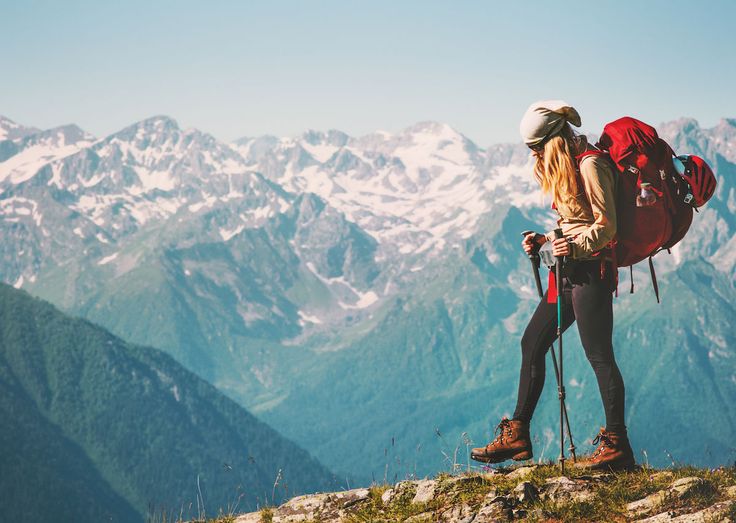
Planning a successful hiking or camping trip starts long before you reach the trail. Having a complete outdoor gear checklist ensures you’re prepared for changing weather, rough terrain, and unexpected situations while making your adventure safer and more enjoyable. Whether you’re heading into a national park, exploring mountain trails, or spending a weekend at a campsite, the right equipment can make all the difference.
As outdoor recreation continues to grow in popularity in 2026, travelers are investing in reliable gear that improves comfort, safety, and performance. From selecting the right hiking backpack to packing essential camping equipment, careful preparation allows you to spend more time enjoying nature and less time dealing with avoidable problems.
Why an Outdoor Gear Checklist Matters
Even experienced hikers know that forgetting one essential item can affect an entire trip. A well-planned outdoor gear checklist helps reduce stress while ensuring every important item is packed before departure.
Benefits of using a checklist include:
- Better trip organization.
- Improved safety on the trail.
- Reduced chance of forgetting important gear.
- Easier packing for different weather conditions.
- Greater comfort during outdoor adventures.
- More confidence when exploring remote locations.
A checklist also helps travelers adjust their equipment based on trip length, terrain, and seasonal conditions.
Hiking Gear Essentials Every Traveler Should Pack
Choosing the right hiking gear essentials creates a strong foundation for every outdoor adventure. While specific needs vary depending on the destination, several items should always be included.
Essential hiking gear includes:
- Durable hiking backpack.
- Comfortable hiking boots.
- Moisture-wicking clothing.
- Waterproof jacket.
- Trekking poles.
- Reusable water bottles or hydration system.
- Trail maps or GPS device.
- Headlamp with spare batteries.
- Multi-tool or pocket knife.
- Sunscreen and sunglasses.
Quality gear not only improves comfort but also reduces the risk of injury during long hikes.
Choosing the Right Hiking Backpack
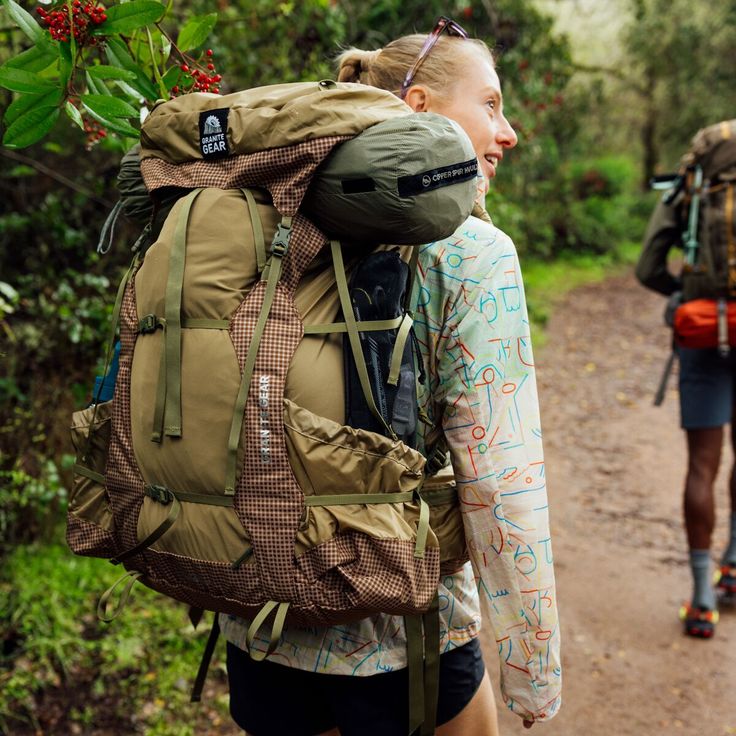
A hiking backpack is one of the most important pieces of outdoor equipment because it carries everything needed throughout the journey.
When selecting a backpack, consider:
- Capacity based on trip duration.
- Adjustable shoulder and waist straps.
- Ventilated back panel.
- Multiple storage compartments.
- Hydration compatibility.
- Weather-resistant materials.
A properly fitted backpack distributes weight evenly, reducing fatigue during extended hikes.
Camping Gear Checklist for Comfortable Adventures
A complete camping gear checklist ensures you have everything necessary for overnight stays in nature.
Core camping equipment should include:
- Camping tent.
- Sleeping bag.
- Sleeping pad or inflatable mattress.
- Portable camping stove.
- Cooking utensils.
- Food storage containers.
- Water filtration system.
- Camping chairs.
- Lantern.
- Portable power bank.
Packing these essentials improves comfort while allowing you to enjoy the outdoors without unnecessary inconvenience.
Selecting the Best Camping Tent
Your camping tent provides shelter from weather, insects, and changing temperatures, making it one of the most important investments for outdoor travel.
Important features to evaluate include:
- Weather resistance.
- Easy setup.
- Lightweight construction.
- Ventilation.
- Waterproof floor.
- Interior storage pockets.
- Capacity for occupants and gear.
Choosing a tent suited to your destination ensures a more comfortable camping experience.
Why Hiking Boots Matter
Proper hiking boots provide stability, traction, and protection across different terrains.
Look for features such as:
- Waterproof materials.
- Ankle support.
- Durable outsoles.
- Breathable construction.
- Comfortable cushioning.
- Reliable grip on wet and rocky trails.
Well-fitted boots help prevent blisters while reducing fatigue during long-distance hikes.
Benefits of Trekking Poles
Many hikers overlook trekking poles, but they offer significant advantages on uneven trails.
Key benefits include:
- Improved balance.
- Reduced pressure on knees.
- Better stability during steep descents.
- Increased endurance on long hikes.
- Enhanced safety while crossing streams.
Adjustable poles also adapt easily to different trail conditions.
Choosing the Right Sleeping Bag
A high-quality sleeping bag plays an essential role in staying warm and comfortable overnight.
Before purchasing, consider:
- Temperature rating.
- Weight.
- Insulation type.
- Packability.
- Moisture resistance.
- Shape and size.
Selecting the correct sleeping bag for the expected climate improves sleep quality and overall camping comfort.
Additional Camping Equipment Worth Packing
Beyond the basics, several smaller items can greatly improve your outdoor experience.
Recommended camping equipment includes:
- First aid kit.
- Emergency whistle.
- Fire starter.
- Rope or paracord.
- Insect repellent.
- Portable water filter.
- Trash bags.
- Dry bags for electronics.
- Extra socks.
- Lightweight towel.
These items often become invaluable during unexpected situations.
Choosing Reliable Outdoor Gear
Quality outdoor equipment offers better durability, safety, and long-term value than inexpensive alternatives.
Many experienced hikers and campers choose gear from trusted outdoor brands that specialize in performance clothing, backpacks, footwear, navigation devices, and camping accessories. Investing in dependable equipment can improve both comfort and confidence during every adventure.
Before purchasing gear, compare product specifications, read verified customer reviews, and choose equipment that matches your travel style and destination.
How Tripbytes Helps Outdoor Travelers Prepare Better
Planning outdoor adventures involves more than simply packing equipment. Travelers also need destination guides, seasonal travel advice, hiking recommendations, and practical planning resources.
Tripbytes helps outdoor enthusiasts prepare for every journey by providing expert travel guides, camping tips, hiking inspiration, gear recommendations, and destination insights. Whether you’re planning a weekend camping trip or a multi-day hiking expedition, Tripbytes offers valuable resources to help you travel smarter.
Conclusion
A carefully prepared outdoor gear checklist is the foundation of every successful hiking and camping adventure. Packing the right hiking gear essentials, selecting dependable camping equipment, and preparing for changing conditions help travelers stay safe while enjoying every moment outdoors.
Whether you’re exploring scenic mountain trails, camping beside a peaceful lake, or discovering national parks, thoughtful preparation leads to better adventures and unforgettable experiences.
At Tripbytes, we’re committed to helping outdoor enthusiasts discover expert travel advice, practical packing guides, and trusted destination recommendations. Explore more outdoor and adventure resources on Tripbytes and start planning your next journey with confidence.
Frequently Asked Questions
1. What should be included in an outdoor gear checklist?
A complete outdoor gear checklist should include a hiking backpack, hiking boots, camping tent, sleeping bag, trekking poles, first aid kit, navigation tools, water supply, food, and weather-appropriate clothing.
2. Why are hiking boots important for outdoor adventures?
Hiking boots provide stability, ankle support, traction, and protection, helping reduce injuries while walking across uneven terrain.
3. How do I choose the right camping tent?
Choose a camping tent based on the number of occupants, expected weather conditions, weight, waterproof features, and ease of setup.
4. Are trekking poles necessary for hiking?
While optional, trekking poles improve balance, reduce strain on joints, and provide additional stability on steep or rocky trails.
5. What size hiking backpack should I buy?
The ideal hiking backpack depends on your trip length. Day hikes typically require smaller packs, while overnight or multi-day adventures need larger capacity backpacks.
6. How can Tripbytes help me prepare for hiking and camping trips?
Tripbytes provides outdoor travel guides, camping checklists, hiking tips, destination recommendations, and practical planning resources to help travelers enjoy safer and more organized adventures.
Stay Informed With the Latest & Most Important News
Previous Post
Next Post