Now Reading: The Rise of Noctourism: Why Night Travel Is Gaining Popularity
-
01
The Rise of Noctourism: Why Night Travel Is Gaining Popularity

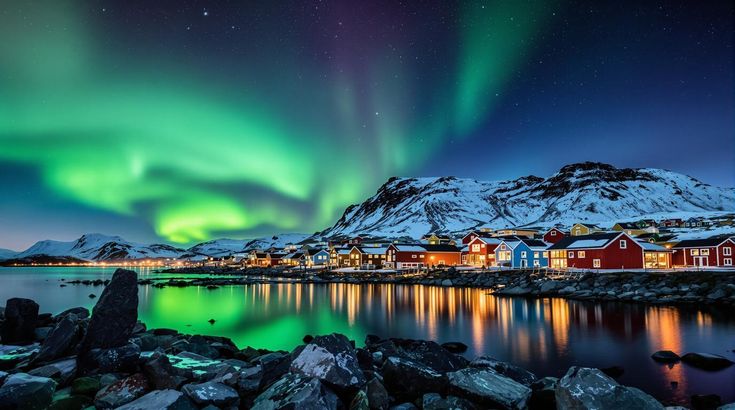
Travel has traditionally been associated with daytime sightseeing, beach excursions, and exploring cities under the sun. However, a new global movement is reshaping the way people experience destinations. Known as noctourism, this emerging travel trend encourages travelers to explore places after sunset, offering unique experiences that simply aren’t available during the day. From witnessing the magical Northern Lights in Scandinavia to embarking on wildlife safaris in Africa or stargazing beneath some of the world’s darkest skies, nighttime travel is becoming one of the most exciting developments in modern tourism.
As travelers seek quieter, more immersive, and memorable adventures, noctourism is rapidly gaining momentum across the globe. Advances in sustainable tourism, improved nighttime safety measures, and growing interest in astronomy and nature have all contributed to its popularity. Whether you’re searching for breathtaking celestial displays or vibrant after-dark city experiences, this guide explains why night travel is becoming one of the most talked-about travel trends worldwide.
What Is Noctourism?
Noctourism refers to travel experiences specifically designed around nighttime activities. Rather than limiting exploration to daylight hours, travelers intentionally plan their itineraries around natural phenomena, cultural events, wildlife encounters, and outdoor adventures that occur after sunset.
Unlike traditional nightlife focused on entertainment and dining, noctourism emphasizes meaningful experiences such as observing the night sky, exploring illuminated historical sites, participating in guided night hikes, or witnessing nocturnal wildlife in their natural habitats.
Popular examples of night tourism include:
- Stargazing in dark-sky reserves.
- Viewing the Northern Lights.
- Night safaris.
- Moonlit hiking experiences.
- After-dark museum tours.
- Evening cultural festivals.
These experiences allow travelers to discover destinations from a completely different perspective.
Why Night Tourism Is Becoming More Popular
Several global factors have contributed to the rise of noctourism.
Travelers increasingly seek quieter destinations that avoid daytime crowds while offering deeper connections with nature and local culture. In many popular tourist destinations, nighttime also provides cooler temperatures, making outdoor exploration more comfortable.
In addition, social media and travel photography have increased interest in spectacular nighttime landscapes, including star-filled skies, glowing city skylines, and rare astronomical events.
The biggest reasons behind this growing trend include:
- Reduced daytime crowds.
- Unique photography opportunities.
- Cooler weather conditions.
- Greater interest in astronomy.
- Sustainable travel alternatives.
- More authentic local experiences.
Together, these factors are transforming nighttime into one of the most exciting periods for exploration.
Stargazing Destinations Inspire Astronomy Travel
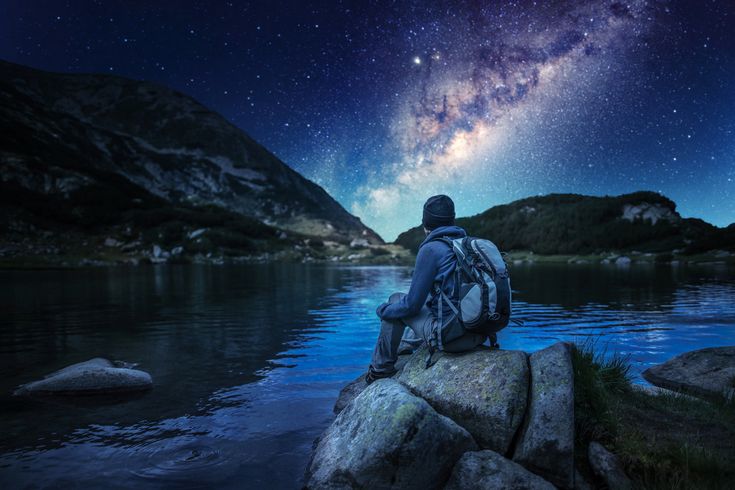
One of the fastest-growing forms of astronomy travel involves visiting destinations with exceptionally dark skies.
Countries such as New Zealand, Chile, Namibia, Australia, the United States, and Spain have established internationally recognized Dark Sky Parks where minimal light pollution creates ideal conditions for observing stars, planets, and the Milky Way.
Some of the world’s most remarkable stargazing destinations include:
- Aoraki Mackenzie Dark Sky Reserve (New Zealand).
- Atacama Desert (Chile).
- NamibRand Nature Reserve (Namibia).
- Bryce Canyon National Park (United States).
- La Palma (Spain).
These destinations attract both amateur stargazers and professional astronomers seeking extraordinary nighttime views.
Chasing the Northern Lights
Few travel experiences rival witnessing the magical Northern Lights dancing across the Arctic sky.
Countries including Norway, Iceland, Finland, Sweden, Canada, and Alaska attract thousands of visitors each winter hoping to experience this extraordinary natural phenomenon. Many travelers now build entire vacations around aurora viewing opportunities.
Beyond the lights themselves, Arctic destinations offer complementary nighttime activities such as dog sledding, snowmobiling, glass igloo stays, and traditional Sami cultural experiences.
The growing popularity of aurora tourism has become one of the defining features of modern noctourism.
Night Safaris Offer a Different View of Wildlife
While traditional safaris take place during daylight hours, night safaris reveal an entirely different ecosystem.
Many nocturnal animals become active only after sunset, providing opportunities to observe species rarely seen during daytime game drives. Guided safaris in destinations such as Kenya, South Africa, Botswana, Sri Lanka, and Singapore allow visitors to safely experience wildlife under expert supervision.
Travelers may encounter:
- Leopards.
- Hyenas.
- Civets.
- Owls.
- Porcupines.
- Nocturnal antelope species.
These unique encounters demonstrate how nighttime transforms natural environments.
Cities Are Embracing After-Dark Experiences
Urban destinations have also recognized the growing appeal of after-dark experiences.
Many cities now offer nighttime walking tours, illuminated heritage sites, evening river cruises, food markets, rooftop observatories, and cultural performances designed specifically for visitors.
Cities including Paris, Tokyo, Singapore, Dubai, Prague, and Budapest have successfully expanded tourism beyond daylight hours by creating memorable nighttime attractions that blend history, architecture, gastronomy, and entertainment.
For many travelers, exploring a city after sunset provides a calmer and more atmospheric experience than daytime sightseeing.
Is Noctourism a More Sustainable Way to Travel?
In many cases, noctourism contributes positively to sustainable tourism by spreading visitor activity throughout the day rather than concentrating it during peak hours.
Nighttime tourism can reduce overcrowding at major attractions, distribute economic benefits more evenly across local businesses, and encourage longer visitor stays. Carefully managed noctourism also supports conservation initiatives, particularly in dark-sky reserves and protected wildlife areas.
However, responsible travel remains essential. Visitors should respect local wildlife, minimize light pollution, follow park regulations, and choose guided experiences that prioritize environmental conservation.
Frequently Asked Questions (FAQs)
1. What is noctourism?
Noctourism refers to travel experiences centered around nighttime activities such as stargazing, Northern Lights viewing, night safaris, cultural festivals, and after-dark sightseeing.
2. Why is night tourism becoming popular?
Growing interest in unique experiences, fewer crowds, cooler temperatures, better photography opportunities, and astronomy travel have all contributed to the popularity of night tourism.
3. Which countries are best for noctourism?
Top destinations include Norway, Iceland, Finland, New Zealand, Chile, Namibia, South Africa, Canada, Australia, and the United States.
4. What are the best stargazing destinations?
Some of the world’s leading stargazing destinations include the Atacama Desert, Aoraki Mackenzie Dark Sky Reserve, NamibRand Nature Reserve, Bryce Canyon National Park, and La Palma.
5. Are night safaris safe?
Yes. Reputable tour operators conduct guided night safaris with trained experts, following strict wildlife safety guidelines and conservation practices.
6. Is noctourism environmentally friendly?
When managed responsibly, noctourism supports sustainable tourism by reducing daytime overcrowding, promoting conservation, and encouraging travelers to appreciate natural environments responsibly.
Conclusion
The rapid rise of noctourism reflects a growing desire among travelers to experience destinations in new and meaningful ways. Whether it’s admiring the dazzling Northern Lights in Norway, exploring world-renowned stargazing destinations in Chile, embarking on thrilling night safaris in Africa, or discovering vibrant after-dark experiences in global cities, nighttime travel opens the door to adventures that daylight simply cannot offer. Beyond creating unforgettable memories, noctourism also encourages more sustainable tourism by dispersing visitor activity and supporting conservation-focused experiences.
As travel trends continue to evolve, adding nighttime adventures to your itinerary can transform an ordinary trip into an extraordinary one. Plan your next journey with the night in mind and discover why the world’s most magical travel moments often begin after the sun goes down.
Related Posts
Stay Informed With the Latest & Most Important News
Previous Post
Next Post