Now Reading: Local Markets Around the World That Showcase Authentic Culture
-
01
Local Markets Around the World That Showcase Authentic Culture

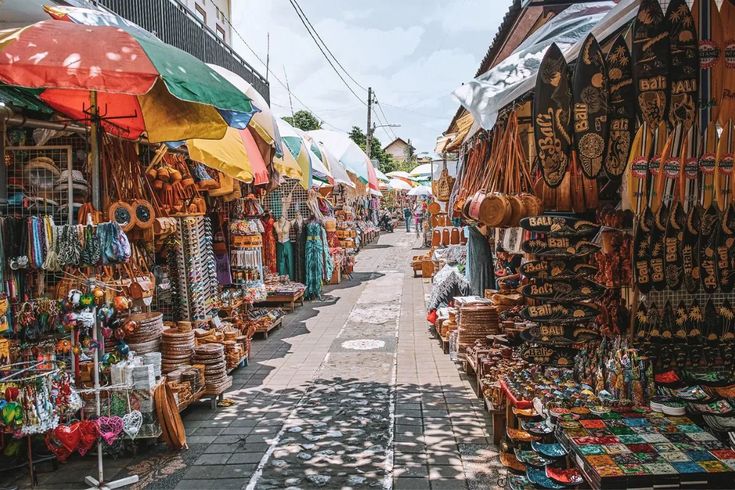
Travel is about much more than visiting famous landmarks or taking scenic photographs. One of the most rewarding ways to truly understand a destination is by exploring its local markets. These vibrant spaces bring together history, tradition, food, craftsmanship, and everyday life, offering visitors an authentic glimpse into local communities. Whether you’re bargaining for handmade textiles in Morocco, tasting street food in Thailand, or discovering artisan crafts in Mexico, markets provide unforgettable cultural travel experiences that go far beyond conventional sightseeing.
Across the globe, local markets remain the heart of cities and villages, preserving traditions that have existed for generations. They are places where local artisans, farmers, chefs, and merchants proudly showcase their heritage while welcoming visitors from around the world. This guide highlights some of the world’s most fascinating markets and explains why they deserve a place on every travel itinerary.
Why Local Markets Are Essential to Cultural Travel
Unlike shopping malls or commercial districts, local markets reflect the identity of a destination. They tell stories through handcrafted products, regional cuisine, traditional music, and daily interactions between vendors and customers.
Visiting these markets allows travelers to experience local culture firsthand while supporting small businesses and preserving centuries-old traditions. Every purchase contributes to local economies, making market visits an important part of responsible tourism.
The biggest reasons travelers visit traditional markets include:
- Discovering authentic local crafts.
- Sampling regional cuisine.
- Meeting local artisans.
- Learning cultural traditions.
- Finding unique souvenirs.
- Supporting community businesses.
These experiences often become the most memorable part of an international journey.
Grand Bazaar – Istanbul, Türkiye
One of the world’s oldest and largest covered markets, Istanbul’s Grand Bazaar has welcomed traders and travelers for more than five centuries.
With thousands of shops spread across a maze of historic streets, visitors can browse handcrafted carpets, ceramics, jewelry, leather goods, spices, and traditional Turkish lamps while experiencing the city’s rich cultural heritage.
Popular items include:
- Handmade carpets.
- Turkish tea sets.
- Mosaic lamps.
- Leather products.
- Local spices.
- Traditional jewelry.
The Grand Bazaar perfectly represents the blend of history, commerce, and craftsmanship that defines Istanbul.
Chatuchak Weekend Market – Bangkok, Thailand

Bangkok’s famous Chatuchak Market is one of the largest weekend markets in the world, attracting both locals and international travelers.
The market offers an incredible variety of products ranging from clothing and antiques to handmade crafts and delicious street food. Visitors can easily spend an entire day exploring its countless sections.
Highlights include:
- Thai handicrafts.
- Vintage collectibles.
- Local fashion.
- Fresh tropical fruits.
- Authentic street food.
- Handmade home décor.
Its lively atmosphere makes it one of Asia’s most exciting shopping experiences.
Jemaa el-Fnaa – Marrakech, Morocco
At the heart of Marrakech lies Jemaa el-Fnaa, a marketplace that transforms throughout the day.
Morning stalls feature fresh produce and traditional goods, while evenings come alive with musicians, storytellers, food vendors, and performers. The square provides one of the world’s most immersive cultural travel experiences.
Travelers can discover:
- Moroccan spices.
- Handmade lanterns.
- Leather products.
- Berber crafts.
- Fresh local cuisine.
- Traditional performances.
The vibrant energy of the marketplace reflects Morocco’s centuries-old trading culture.
Mercado de San Miguel – Madrid, Spain
Unlike many traditional outdoor markets, Madrid’s Mercado de San Miguel combines historic architecture with modern gastronomy.
Visitors can sample gourmet tapas, seafood, cured meats, cheeses, pastries, and regional wines while enjoying Spain’s rich culinary traditions.
This market is particularly popular for:
- Fresh seafood.
- Spanish cheeses.
- Iberian ham.
- Traditional tapas.
- Artisan desserts.
- Local wines.
Food lovers often consider it one of Europe’s finest culinary destinations.
Otavalo Market – Ecuador
Located in the Andean Highlands, Otavalo Market is one of South America’s most famous indigenous markets.
Local communities gather to sell colorful textiles, woven blankets, handmade jewelry, musical instruments, and traditional clothing that reflect Ecuador’s indigenous heritage.
Visitors appreciate:
- Handmade alpaca products.
- Indigenous artwork.
- Colorful woven textiles.
- Traditional musical instruments.
- Authentic handicrafts.
Purchasing directly from artisans supports centuries-old weaving traditions.
Tsukiji Outer Market – Tokyo, Japan
Although Tokyo’s wholesale fish auctions have moved, the Tsukiji Outer Market continues to attract visitors seeking authentic Japanese cuisine and culinary culture.
Fresh seafood, sushi, kitchen tools, Japanese sweets, and specialty ingredients line the bustling streets.
Travelers enjoy exploring:
- Fresh sushi.
- Seafood specialties.
- Japanese knives.
- Green tea products.
- Traditional snacks.
- Local cooking ingredients.
The market offers an excellent introduction to Japan’s globally respected food culture.
Pike Place Market – Seattle, United States
One of North America’s most iconic food markets, Pike Place Market combines local agriculture, artisan crafts, seafood, flowers, and live entertainment.
Its historic atmosphere and waterfront location have made it a symbol of Seattle for more than a century.
Visitors frequently explore:
- Fresh seafood.
- Local flowers.
- Handmade crafts.
- Independent bookstores.
- Artisan bakeries.
- Regional coffee.
The market demonstrates how local businesses continue shaping urban culture.
Tips for Visiting Local Markets Responsibly
Exploring local markets becomes even more rewarding when travelers respect local customs and traditions.
To enjoy a meaningful experience:
- Carry cash when possible.
- Learn a few local phrases.
- Respect photography guidelines.
- Support local artisans directly.
- Bargain respectfully where culturally appropriate.
- Bring reusable shopping bags.
Small gestures help preserve these vibrant marketplaces for future generations.
Frequently Asked Questions (FAQs)
1. Why should travelers visit local markets?
Local markets provide authentic cultural experiences, allowing visitors to discover regional food, crafts, traditions, and daily community life while supporting local businesses.
2. What are the best local markets in the world?
Some of the world’s most famous markets include Istanbul’s Grand Bazaar, Chatuchak Market in Bangkok, Jemaa el-Fnaa in Marrakech, Mercado de San Miguel in Madrid, Otavalo Market in Ecuador, Tsukiji Outer Market in Tokyo, and Pike Place Market in Seattle.
3. Are local markets good places to buy souvenirs?
Yes. Traditional markets often sell handmade products, artisan crafts, textiles, ceramics, and locally produced goods that make meaningful souvenirs.
4. Is bargaining acceptable in local markets?
It depends on the destination. Bargaining is common in markets across countries such as Morocco and Türkiye, while fixed pricing is more typical in Japan and many European markets.
5. How do local markets support sustainable tourism?
Shopping at local markets supports small businesses, preserves cultural heritage, encourages traditional craftsmanship, and contributes directly to local economies.
6. What should I bring when visiting a local market?
Comfortable walking shoes, reusable shopping bags, cash, a water bottle, and a camera are useful for exploring markets comfortably and responsibly.
Conclusion
Exploring local markets is one of the most authentic ways to experience a destination’s culture, traditions, and everyday life. Whether wandering through the historic lanes of Istanbul’s Grand Bazaar, enjoying the lively atmosphere of Bangkok’s Chatuchak Market, tasting regional delicacies at Madrid’s Mercado de San Miguel, or discovering handmade textiles in Otavalo, each marketplace offers a unique window into the communities that keep these traditions alive. These experiences not only enrich your travels but also support local artisans, preserve cultural heritage, and promote responsible tourism.
As you plan your next international adventure, make time to explore the world’s most fascinating traditional markets. Beyond shopping, these vibrant spaces offer unforgettable stories, genuine human connections, and a deeper appreciation of the cultures that make every destination unique.
Stay Informed With the Latest & Most Important News
Previous Post
Next Post