Now Reading: How Coworking Spaces Are Transforming Business Travel Worldwide
-
01
How Coworking Spaces Are Transforming Business Travel Worldwide

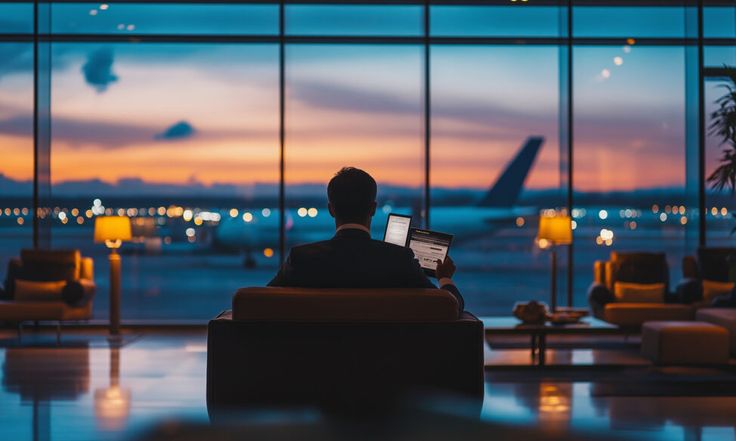
The evolution of remote work has changed not only how people work but also how they travel. Today, professionals are no longer limited to traditional office environments or hotel business centers. Instead, coworking spaces have become an essential part of modern business travel, offering flexible, fully equipped workplaces in cities across the globe. Whether attending meetings in Singapore, managing projects from Barcelona, or working between flights in Dubai, travelers can remain productive without sacrificing mobility.
The rapid growth of hybrid work models and location-independent careers has also fueled the popularity of remote work spaces. From freelancers and entrepreneurs to corporate employees and digital nomads, professionals increasingly seek environments that combine reliable technology, networking opportunities, and comfortable work settings. This guide explores how coworking spaces are transforming business travel worldwide, the benefits they offer, and why they have become a key part of the modern travel experience.
The Rise of Coworking Spaces in Modern Business Travel
The demand for coworking spaces has expanded significantly over the past decade as companies embrace flexible working arrangements. Instead of relying solely on permanent offices, many organizations now support hybrid schedules that allow employees to work from virtually anywhere.
This shift has directly influenced business travel, enabling professionals to extend work trips, combine leisure with business, and remain productive while exploring new destinations. Cities such as London, Singapore, New York, Dubai, Amsterdam, Bengaluru, Sydney, and Tokyo have become major business hubs where high-quality coworking facilities are widely available.
For travelers, these shared work environments provide an ideal balance between professional productivity and travel flexibility.
Why Remote Professionals Prefer Flexible Workspaces
One of the biggest reasons for the success of flexible workspaces is their ability to provide everything professionals need without requiring long-term office commitments.
Unlike hotel rooms, which may lack suitable work environments, coworking facilities offer ergonomic seating, meeting rooms, high-speed internet, printing services, quiet work zones, and collaborative spaces designed to improve efficiency.
For remote professionals, these environments create opportunities to maintain structured work routines while enjoying the freedom to travel internationally. Many spaces also organize networking events, workshops, and business meetups that encourage professional collaboration and knowledge sharing.
This combination of flexibility and community has made coworking an attractive solution for today’s global workforce.
Supporting the Growth of Digital Nomads
The global rise of digital nomads has become one of the strongest drivers behind the expansion of coworking spaces.
Professionals working in technology, consulting, marketing, design, writing, finance, and other digital industries increasingly choose destinations where they can combine travel with reliable work infrastructure. Popular cities such as Lisbon, Bali, Chiang Mai, Medellín, and Mexico City have emerged as favorite destinations thanks to affordable living costs, vibrant communities, and modern coworking facilities.
These destinations not only provide excellent work environments but also encourage cultural exchange and collaboration among professionals from around the world.
As governments introduce digital nomad visas and remote work policies, coworking spaces continue to play a central role in supporting this growing lifestyle.
Business Hubs Are Adapting to Flexible Work
Major business hubs worldwide have rapidly adapted to changing workplace expectations.
Airports, hotels, commercial districts, and mixed-use developments increasingly include coworking facilities to serve business travelers who require productive work environments during short stays or extended visits.
In financial centers such as Hong Kong, Frankfurt, Dubai, and New York, professionals can easily access premium workspaces located close to transportation networks, hotels, and conference venues.
This accessibility reduces commuting time while allowing travelers to transition seamlessly between meetings, networking events, and client visits.
The integration of coworking into urban infrastructure reflects how modern cities are responding to evolving workplace demands.
Work-Friendly Cafés Complement Remote Work Spaces
Alongside professional coworking facilities, work-friendly cafés have become valuable alternatives for travelers seeking flexible places to work.
Many cafés now provide reliable Wi-Fi, charging stations, comfortable seating, and quiet environments suitable for short work sessions or informal meetings. While they may not offer the full range of business amenities found in coworking spaces, they provide convenient options for checking emails, joining virtual meetings, or completing smaller tasks between appointments.
Travelers often combine cafés with coworking memberships, using each according to their schedule and work requirements.
This variety of work environments allows greater flexibility throughout every business trip.
Boosting Productivity During Business Travel
Maintaining productivity while traveling can be challenging without a dedicated workspace.
Coworking environments help reduce common distractions associated with airports, hotel rooms, and public spaces by offering professional settings specifically designed for focused work. Quiet zones, meeting rooms, stable internet connections, and comfortable furniture all contribute to improved concentration and efficiency.
In addition, many coworking communities encourage collaboration by connecting entrepreneurs, freelancers, and business travelers who may share valuable knowledge or partnership opportunities.
For professionals balancing work responsibilities with international travel, access to high-quality workspaces significantly enhances overall performance.
The Rise of the Workation Lifestyle
The concept of the workation has become increasingly popular as professionals combine work responsibilities with extended travel experiences.
Instead of taking short business trips, many travelers now spend weeks or even months working from destinations that offer attractive lifestyles alongside excellent digital infrastructure. Coastal cities, mountain towns, and cultural capitals have responded by expanding coworking facilities, improving internet connectivity, and developing services specifically for long-term remote workers.
This trend benefits both travelers and local economies by extending visitor stays and encouraging year-round tourism beyond traditional holiday seasons.
As remote work becomes more widely accepted, workations are expected to remain a significant force shaping global travel.
Frequently Asked Questions (FAQs)
1. What are coworking spaces?
Coworking spaces are shared professional work environments that provide desks, meeting rooms, internet access, office facilities, and collaborative spaces for individuals and businesses.
2. Why are coworking spaces important for business travel?
They allow travelers to work efficiently while accessing professional facilities, networking opportunities, and reliable technology in destinations around the world.
3. Who uses coworking spaces?
Freelancers, entrepreneurs, startups, corporate employees, consultants, digital nomads, and other remote professionals commonly use coworking facilities.
4. How do coworking spaces improve productivity?
Dedicated work environments reduce distractions while providing ergonomic furniture, reliable internet, meeting rooms, and business support services that enhance productivity.
5. What is a workation?
A workation combines remote work with leisure travel, allowing professionals to continue working while enjoying extended stays in attractive destinations.
6. Are coworking spaces available worldwide?
Yes. Thousands of coworking facilities operate across major cities and emerging business destinations throughout Europe, Asia, North America, South America, Africa, and Oceania.
Conclusion
The rapid expansion of coworking spaces has fundamentally changed the way professionals approach modern business travel. By offering flexible, technology-enabled environments that support collaboration and efficiency, these spaces empower travelers to remain productive wherever their careers take them. From supporting digital nomads and remote professionals to enhancing workation experiences and strengthening global business hubs, coworking has become an essential part of today’s evolving workplace landscape.
As remote work continues to reshape global employment, demand for high-quality remote work spaces is expected to grow even further. Whether you’re traveling for client meetings, managing an international team, or extending a business trip into a workation, choosing the right coworking space can help you balance productivity with the freedom to explore new destinations. Start planning your next business journey with flexible workspaces in mind and experience a smarter, more connected way to work while traveling.
Stay Informed With the Latest & Most Important News
Previous Post
Next Post