Now Reading: Best Scuba Diving Destinations Around the World for Beginners in 2026
-
01
Best Scuba Diving Destinations Around the World for Beginners in 2026

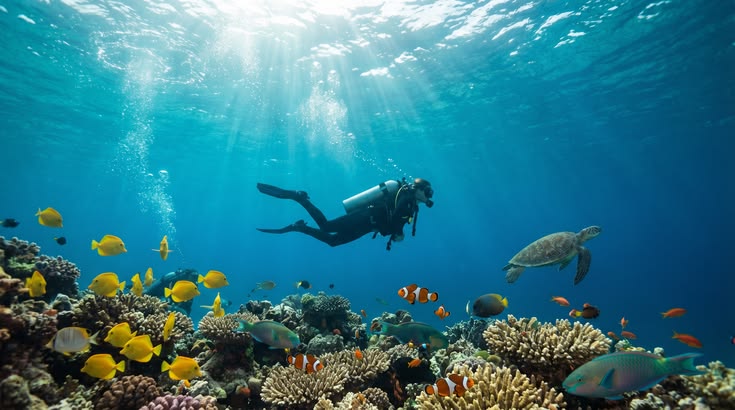
Exploring the underwater world is one of the most unforgettable travel experiences, and 2026 is an excellent time for first-time divers to begin their journey. With improved diving facilities, certified instructors, and beginner-friendly dive sites across the globe, more travelers are choosing scuba diving as part of their vacations. The best scuba diving destinations combine calm waters, excellent visibility, abundant marine life, and professional training, making it easier for newcomers to gain confidence beneath the surface.
Whether you’re planning a tropical getaway in Southeast Asia, exploring coral reefs in the Caribbean, or discovering marine biodiversity in the Indian Ocean, selecting the right destination can make your first diving experience both safe and memorable. This guide highlights the top scuba diving destinations for beginners, what makes each location unique, and how to prepare for your first underwater adventure.
Why Beginners Should Choose the Right Diving Destination
Learning to dive is about much more than earning a certification. The environment plays a major role in building confidence, developing essential skills, and ensuring a positive first experience. Calm seas, warm water, and good underwater visibility allow new divers to focus on breathing techniques and buoyancy rather than difficult conditions.
Many popular beginner scuba diving destinations also offer internationally recognized PADI diving centers, experienced instructors, and shallow reefs filled with colorful fish and healthy coral ecosystems. These factors reduce stress while allowing beginners to fully enjoy their first dives.
Choosing an established dive destination also ensures access to quality equipment, safety standards, and emergency support if required.
Great Barrier Reef, Australia
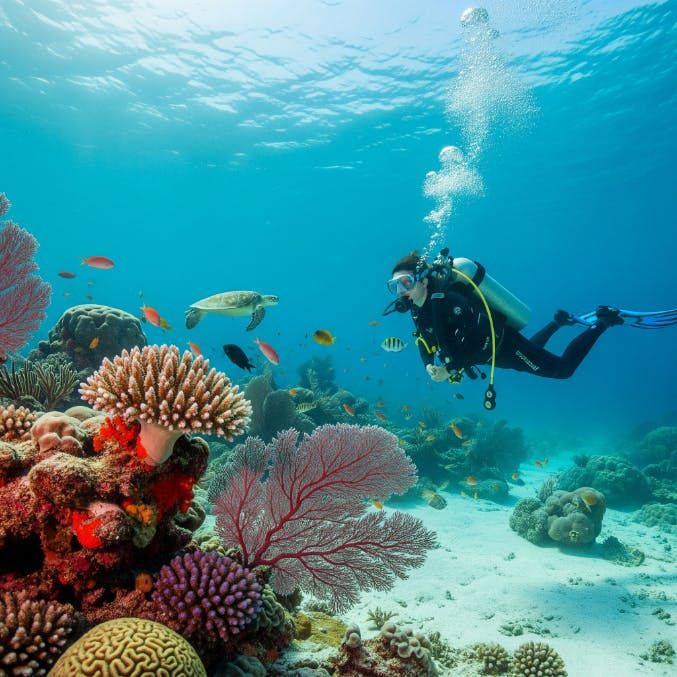
The Great Barrier Reef remains one of the world’s most iconic scuba diving destinations. Stretching over 2,300 kilometers along Australia’s northeast coast, it is home to thousands of marine species and offers numerous beginner-friendly dive sites.
New divers can explore shallow coral gardens filled with clownfish, sea turtles, rays, reef sharks, and vibrant tropical fish while enjoying excellent visibility throughout much of the year. Many diving operators in Cairns and Port Douglas offer introductory diving experiences alongside professional PADI certification programs.
Its combination of biodiversity, modern diving infrastructure, and experienced instructors makes Australia an outstanding destination for first-time divers.
Koh Tao, Thailand
Thailand’s island of Koh Tao has earned an international reputation as one of the best places to learn scuba diving. Affordable certification courses, calm waters, and numerous dive schools attract thousands of new divers annually.
The island’s warm tropical waters make training comfortable throughout most of the year. Shallow reefs provide ideal conditions for practicing essential diving skills before progressing to deeper dive sites.
In addition to colorful coral reefs, divers frequently encounter butterflyfish, angelfish, barracuda, sea turtles, and other fascinating marine life.
For travelers combining adventure with affordability, Koh Tao remains one of Asia’s leading diving vacations destinations.
Maldives
The Maldives offers crystal-clear waters, luxury diving resorts, and extraordinary underwater biodiversity spread across hundreds of coral islands.
Although some dive sites feature stronger currents suited to experienced divers, many protected lagoons provide ideal conditions for beginners. New divers often enjoy encounters with reef sharks, sea turtles, manta rays, and schools of tropical fish while learning basic underwater skills.
Its warm climate and outstanding visibility create unforgettable underwater adventures suitable for travelers seeking both relaxation and exploration.
Bonaire, Caribbean Netherlands
Located in the southern Caribbean, Bonaire is famous for its protected marine parks and exceptionally healthy coral ecosystems.
The island emphasizes marine conservation while offering easy shore diving, making it particularly attractive for beginners. Calm waters and minimal currents allow new divers to practice comfortably while observing vibrant reef environments.
Many visitors appreciate Bonaire’s relaxed atmosphere and excellent accessibility to numerous beginner-friendly dive locations directly from the shoreline.
Red Sea, Egypt
Egypt’s Red Sea coastline continues attracting divers from around the world because of its warm water, remarkable visibility, and colorful marine biodiversity.
Popular destinations such as Hurghada and Sharm El Sheikh offer numerous introductory diving programs suitable for beginners. Calm reef systems provide opportunities to observe coral gardens, lionfish, butterflyfish, moray eels, and occasionally dolphins.
For travelers exploring North Africa or the Middle East, the Red Sea offers excellent value combined with world-class diving conditions.
Hawaii, United States
The Hawaiian Islands combine dramatic volcanic landscapes with rich marine ecosystems, making them one of the Pacific’s most rewarding diving destinations.
Several islands offer protected bays ideal for beginner training, where divers frequently encounter green sea turtles, tropical fish, spinner dolphins, and colorful lava formations beneath the ocean surface.
Professional dive centers throughout Maui, Oahu, and the Big Island provide high-quality instruction while emphasizing environmental conservation and safe diving practices.
Belize Barrier Reef, Belize
The Belize Barrier Reef, the second-largest reef system in the world, provides excellent opportunities for beginners seeking calm conditions and incredible biodiversity.
Shallow reefs allow new divers to explore healthy coral formations while observing nurse sharks, eagle rays, groupers, parrotfish, and numerous reef species.
Belize also offers convenient access to internationally recognized dive schools and environmentally responsible tourism initiatives that protect fragile marine habitats.
Preparing for Your First Diving Vacation
Planning ahead helps ensure your first diving experience is enjoyable and safe. Beginners should select certified dive operators, complete medical questionnaires honestly, and follow instructor guidance throughout the training process.
Helpful preparation tips include:
- Choose a certified PADI or SSI dive center.
- Practice swimming before traveling.
- Stay hydrated before dives.
- Never hold your breath underwater.
- Listen carefully during safety briefings.
- Protect coral reefs by avoiding physical contact.
A responsible approach allows new divers to enjoy the experience while helping preserve fragile marine ecosystems for future generations.
Frequently Asked Questions (FAQs)
1. Which scuba diving destination is best for beginners?
Popular beginner-friendly scuba diving destinations include Koh Tao (Thailand), the Great Barrier Reef (Australia), the Maldives, Bonaire, Belize, Hawaii, and Egypt’s Red Sea because of their calm waters and professional dive schools.
2. Do I need a certification before trying scuba diving?
No. Many dive centers offer introductory “Discover Scuba Diving” experiences for beginners before completing full PADI certification.
3. What is the best age to learn scuba diving?
Most certification organizations allow children from around 10 years old to begin junior diving programs, while adults of all ages can learn if they meet medical requirements.
4. Is scuba diving safe for beginners?
Yes. Scuba diving is generally very safe when conducted through certified operators, proper training, and adherence to established safety procedures.
5. How long does it take to earn a PADI Open Water certification?
Most PADI diving courses require approximately three to four days, depending on the dive center and training schedule.
6. What marine life can beginners expect to see?
Depending on the destination, beginners commonly encounter tropical fish, sea turtles, rays, coral reefs, reef sharks, octopuses, and many other fascinating marine species.
Conclusion
Choosing the right scuba diving destinations can transform a first underwater experience into a lifelong passion for ocean exploration. Destinations such as the Great Barrier Reef, Koh Tao, the Maldives, Bonaire, the Red Sea, Hawaii, and Belize provide ideal conditions for beginner scuba diving, combining calm waters, vibrant coral reefs, abundant marine life, and experienced PADI diving instructors. These locations offer unforgettable underwater adventures while maintaining strong safety standards and sustainable tourism practices.
As you plan your next diving vacations, take time to research certified dive operators, choose destinations that match your comfort level, and prepare responsibly before entering the water. With the right guidance and a sense of adventure, your first scuba diving experience in 2026 could become the beginning of a lifetime spent exploring the incredible world beneath the ocean’s surface.
Stay Informed With the Latest & Most Important News
Previous Post
Next Post