Now Reading: Are Smaller Cities Becoming the New Travel Hotspots?
-
01
Are Smaller Cities Becoming the New Travel Hotspots?

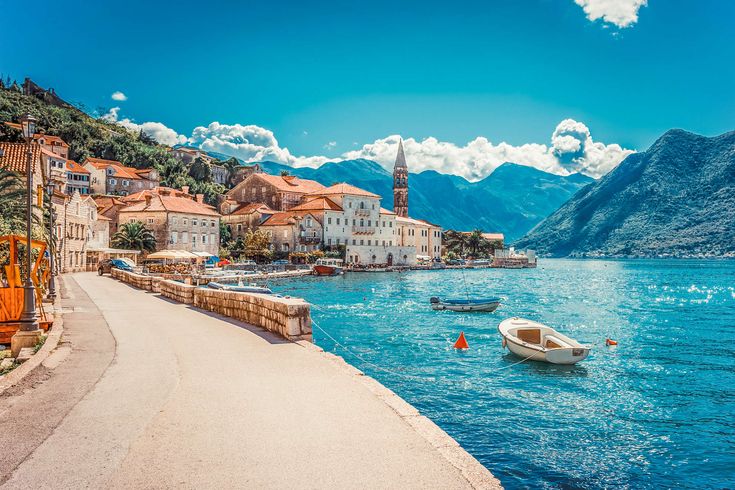
For decades, global tourism has revolved around major cities such as Paris, Rome, London, Bangkok, and New York. These destinations have long dominated travel itineraries, social media feeds, and bucket lists. However, a noticeable shift is taking place in 2026. More travelers are embracing Smaller Cities Travel, choosing lesser-known destinations over crowded tourist capitals.
The growing popularity of smaller cities is being driven by changing traveler priorities. Instead of chasing famous landmarks, many tourists are searching for meaningful experiences, affordable accommodations, and authentic cultural encounters. As a result, smaller cities are rapidly emerging as the new Travel Hotspots in many parts of the world.
Why Smaller Cities Travel Is Gaining Momentum
The appeal of Smaller Cities Travel goes far beyond avoiding crowds. Travelers are increasingly seeking destinations that provide a slower pace, deeper cultural immersion, and greater flexibility.
Several factors are contributing to this trend:
- Rising costs in major tourist cities
- Growing concerns about overtourism
- Increased interest in local culture
- Demand for authentic travel experiences
- Better transportation connectivity
As travel preferences evolve, smaller cities are becoming attractive alternatives to traditional tourism centers.
A Shift in Traveler Priorities
Modern travelers are placing greater value on experiences rather than simply checking famous attractions off a list.
Many now prioritize:
- Cultural immersion
- Local interactions
- Unique discoveries
- Sustainable tourism
- Relaxed travel experiences
This shift has helped smaller cities gain visibility among both domestic and international travelers.
Hidden Travel Gems Are Attracting More Visitors
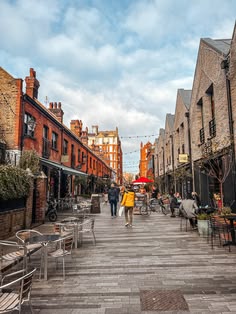
One of the biggest advantages of smaller cities is their ability to offer Hidden Travel Gems that remain relatively undiscovered.
Unlike heavily promoted destinations, these locations often retain their original character and charm.
What Makes Hidden Travel Gems Appealing?
Travelers are increasingly drawn to places that offer:
- Historic neighborhoods
- Family-owned restaurants
- Traditional markets
- Local festivals
- Authentic architecture
Without large tourist crowds, visitors can enjoy a more personal connection with the destination.
Examples Around the World
Several smaller cities have experienced growing tourism interest in recent years:
- Porto instead of Lisbon
- Bologna instead of Rome
- Brno instead of Prague
- Chiang Mai instead of Bangkok
- Coorg instead of Goa
These destinations provide memorable experiences while avoiding many of the challenges associated with major tourism hubs.
Less Crowded Destinations Offer Better Experiences
One of the most cited reasons for choosing Less Crowded Destinations is comfort.
Avoiding Tourism Fatigue
Overcrowded attractions often result in:
- Long queues
- Higher prices
- Limited availability
- Increased stress
- Reduced enjoyment
Smaller cities typically provide a more relaxed atmosphere where travelers can explore at their own pace.
Improved Accessibility
Visitors frequently find that smaller destinations offer:
- Easier transportation
- Shorter wait times
- Better accommodation value
- More flexible itineraries
These benefits contribute significantly to overall travel satisfaction.
Authentic Travel Experiences Matter More Than Ever
The demand for Authentic Travel Experiences continues to influence travel decisions across the globe.
Many travelers are moving away from highly curated tourist experiences and seeking opportunities to engage with destinations on a deeper level.
Connecting With Local Communities
Smaller cities often make it easier to:
- Meet local residents
- Learn cultural traditions
- Support independent businesses
- Participate in community events
- Explore everyday life
These interactions often become the most memorable aspects of a journey.
Creating Meaningful Memories
Authentic experiences frequently involve:
- Regional cuisine
- Cultural celebrations
- Local storytelling
- Traditional crafts
- Community gatherings
Travelers increasingly value these moments over simply visiting famous landmarks.
Local Culture Experiences Drive Tourism Growth
One major advantage of smaller cities is access to genuine Local Culture Experiences.
Preserving Cultural Identity
Many smaller destinations have successfully maintained their cultural heritage despite growing tourism.
Visitors can often experience:
- Traditional architecture
- Regional customs
- Local languages
- Historic districts
- Community traditions
These cultural elements help differentiate smaller cities from larger, more commercialized destinations.
Learning Through Travel
Experiencing local culture encourages travelers to gain a deeper understanding of the places they visit.
This educational aspect has become an increasingly important part of modern tourism.
Sustainable Tourism Supports Smaller Destinations
The rise of Sustainable Tourism has also contributed to the popularity of smaller cities.
Reducing Pressure on Major Destinations
Many governments and tourism organizations encourage travelers to explore alternative destinations in order to reduce overcrowding.
Benefits include:
- Better distribution of tourism revenue
- Reduced environmental impact
- Lower infrastructure strain
- Increased support for local businesses
- Improved visitor experiences
This approach creates positive outcomes for both travelers and host communities.
Encouraging Responsible Travel
Travelers who choose smaller cities often contribute directly to local economies by supporting:
- Independent hotels
- Family-run restaurants
- Local guides
- Regional artisans
- Community enterprises
Such spending helps promote sustainable economic development.
Off-the-Beaten-Path Travel Is Becoming Mainstream
The popularity of Off-the-Beaten-Path Travel continues to grow among travelers seeking unique adventures.
Why Travelers Want Something Different
Social media and travel blogs have made it easier to discover destinations beyond traditional tourist routes.
Modern travelers often seek:
- Original experiences
- Personal discovery
- Unique photography opportunities
- Less commercialized environments
- Greater flexibility
These motivations align closely with the appeal of smaller cities.
Overtourism Alternatives Are in Demand
Growing awareness of overtourism has encouraged travelers to search for Overtourism Alternatives.
Smaller cities provide an effective solution by offering similar cultural, historical, and culinary experiences without overwhelming crowds.
This trend is expected to continue throughout 2026 and beyond.
Geographic Relevance: A Global Trend
The growth of Smaller Cities Travel is visible across multiple regions.
Examples include:
- Porto, Portugal
- Bologna, Italy
- Ghent, Belgium
- Chiang Mai, Thailand
- Udaipur, India
- Savannah, Georgia, USA
These cities demonstrate that travelers no longer need to visit major capitals to enjoy world-class experiences.
Frequently Asked Questions
What is smaller cities travel?
Smaller Cities Travel refers to exploring less-populated urban destinations instead of major tourism centers.
Why are smaller cities becoming travel hotspots?
Many travelers prefer smaller cities because they offer authentic experiences, lower costs, fewer crowds, and stronger cultural connections.
What are hidden travel gems?
Hidden Travel Gems are lesser-known destinations that provide unique attractions, local culture, and memorable experiences without heavy tourism.
How do smaller cities support sustainable tourism?
Sustainable Tourism benefits when visitors spread tourism spending across multiple destinations, reducing pressure on overcrowded locations.
Are smaller cities cheaper than famous destinations?
In many cases, yes. Accommodation, dining, and transportation costs are often lower in smaller cities than in major tourism hubs.
What are some examples of overtourism alternatives?
Cities such as Porto, Bologna, Chiang Mai, and Udaipur are often considered effective Overtourism Alternatives to more crowded destinations.
Conclusion
The rise of Smaller Cities Travel reflects a broader transformation in the way people explore the world. Travelers are increasingly choosing destinations that offer authenticity, affordability, and deeper cultural connections rather than simply visiting the most famous locations.
With growing interest in Hidden Travel Gems, Authentic Travel Experiences, Local Culture Experiences, and Sustainable Tourism, smaller cities are positioning themselves as the next generation of Travel Hotspots. For travelers seeking meaningful adventures and less crowded environments, these destinations may represent the future of tourism.
Ready to explore beyond the usual tourist trail? Your next unforgettable journey might be waiting in a smaller city you’ve never considered before.
Related Posts


Stay Informed With the Latest & Most Important News
Previous Post
Next Post