Now Reading: International Data Plans Explained: Staying Connected While Traveling Abroad
-
01
International Data Plans Explained: Staying Connected While Traveling Abroad
International Data Plans Explained: Staying Connected While Traveling Abroad


Reliable internet access has become one of the most important parts of modern travel. Whether you’re navigating unfamiliar streets, booking transportation, translating foreign languages, attending business meetings, or staying in touch with family, choosing the right international data plans can make your journey significantly easier. Instead of relying on expensive roaming or searching for public Wi-Fi, travelers now have several flexible options that provide secure and affordable mobile connectivity almost anywhere in the world.
Today’s international data plans are available through mobile carriers, eSIM providers, and specialized travel services that offer coverage across multiple countries. Understanding how these plans work can help you avoid unexpected charges while ensuring uninterrupted access to maps, messaging apps, online payments, and travel bookings. This guide explains everything travelers should know before selecting the best data solution for international trips.
Why International Data Plans Matter
International travel often requires continuous internet access for both convenience and safety. Many travel services-including airline apps, digital boarding passes, hotel reservations, banking platforms, and ride-hailing services-depend on a stable internet connection.
Without an appropriate data plan, travelers may face expensive roaming charges or struggle to stay connected while moving between destinations.
The biggest advantages of choosing dedicated international data plans include:
- Predictable travel expenses.
- Reliable mobile internet.
- Better navigation.
- Easier communication.
- Secure online transactions.
- Flexible travel planning.
Planning connectivity before departure reduces stress throughout your trip.
What Are International Data Plans?
International data plans are mobile packages designed specifically for travelers using smartphones or tablets outside their home country. Instead of paying standard international roaming rates, these plans provide a predetermined amount of mobile data for selected countries or regions.
Depending on the provider, plans may offer:
- Daily data allowances.
- Weekly packages.
- Monthly subscriptions.
- Regional coverage.
- Global data plans.
- Unlimited data options.
Many providers now allow travelers to activate plans digitally before departure.
Travel Mobile Data Keeps You Connected Everywhere
Reliable travel mobile data allows travelers to remain connected throughout every stage of a journey.
From ordering transportation after landing to locating restaurants, checking weather forecasts, accessing translation apps, or uploading travel photos, mobile internet has become an essential travel companion.
Typical uses include:
- GPS navigation.
- Video calls.
- Messaging apps.
- Online banking.
- Flight updates.
- Travel bookings.
Continuous connectivity improves both convenience and travel safety.
International SIM Plans Offer Flexible Solutions
Traditional international SIM plans remain one of the most popular choices for international travelers.
These SIM cards are designed for overseas use and often include affordable voice calls, text messaging, and generous mobile data allowances. Depending on your itinerary, you may purchase regional or worldwide SIM plans before departure or after arriving at your destination.
Benefits include:
- Lower roaming costs.
- Local or regional network access.
- Simple activation.
- Flexible validity periods.
- Multiple data package options.
- Reliable customer support.
For travelers visiting several countries, international SIM plans often provide better value than standard roaming.
eSIM Compatibility Is Transforming Travel
One of the biggest developments in travel connectivity is eSIM compatibility.
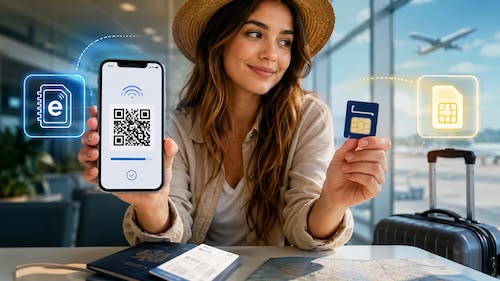
Unlike physical SIM cards, eSIM technology allows travelers to activate mobile plans digitally by scanning a QR code or installing a provider profile. This eliminates the need to remove existing SIM cards while making it easy to switch between carriers.
Advantages of eSIM technology include:
- Instant activation.
- No physical SIM replacement.
- Multiple profiles on one device.
- Easy provider switching.
- Faster setup.
- Convenient travel management.
Before purchasing an eSIM plan, verify that your smartphone supports eSIM functionality.
Roaming Alternatives Can Save Money
International roaming through your home mobile provider is convenient but can sometimes become expensive.
Fortunately, several roaming alternatives now offer more affordable connectivity while traveling abroad. These include travel eSIMs, international SIM cards, portable Wi-Fi devices, and prepaid regional data packages.
When comparing options, evaluate:
- Coverage areas.
- Daily costs.
- Data limits.
- Network quality.
- Speed restrictions.
- Customer support.
Selecting the right alternative depends on both your destination and expected internet usage.
Network Coverage Is Just as Important as Price
Low prices are attractive, but network coverage should never be overlooked.
Some providers offer inexpensive plans that rely on limited local networks, potentially affecting internet speeds or reliability in rural areas. Before purchasing, confirm which partner networks operate in your destination.
Good network coverage is especially important for:
- Business travelers.
- Remote workers.
- Navigation.
- Emergency communication.
- Video conferencing.
- Rural travel.
Reliable connectivity often provides greater value than choosing the cheapest available plan.
Data Packages Should Match Your Travel Style

Not every traveler requires the same amount of mobile data.
Light users may only need internet for messaging and navigation, while content creators, remote professionals, and frequent video callers often require much larger data packages.
Consider your expected usage for:
- Social media.
- Streaming.
- Video calls.
- Navigation.
- Cloud storage.
- File downloads.
Choosing an appropriate package prevents unnecessary spending while avoiding data shortages.
Global Connectivity Supports Modern Travel
Today’s travelers expect uninterrupted global connectivity regardless of where they go.
From airports and hotels to trains, cafés, and remote destinations, reliable mobile internet supports everything from digital payments to online translation and emergency assistance. As international tourism continues growing, mobile connectivity has become a fundamental part of successful travel planning.
Preparing your mobile service before departure ensures a smoother experience throughout your journey.
Tips for Choosing the Right International Data Plan
Selecting the right plan becomes easier when you compare providers carefully.
Before purchasing, consider:
- Countries included.
- Total data allowance.
- eSIM compatibility.
- Network coverage.
- Validity period.
- Speed limitations.
- Customer support.
- Roaming costs.
A few minutes of research can save both money and inconvenience while traveling abroad.
Frequently Asked Questions (FAQs)
1. What are international data plans?
International data plans are mobile internet packages designed for travelers using smartphones or tablets outside their home country, helping reduce expensive roaming charges.
2. Are international SIM plans better than roaming?
In many cases, yes. International SIM plans often provide lower costs, larger data allowances, and better value than traditional roaming services.
3. What is eSIM compatibility?
eSIM compatibility allows smartphones to activate mobile data plans digitally without requiring a physical SIM card.
4. How much travel mobile data do I need?
The amount of travel mobile data depends on your activities. Messaging and navigation require relatively little data, while streaming and video calls consume significantly more.
5. How can I check network coverage before traveling?
Most providers publish network coverage maps showing supported countries and partner mobile networks on their official websites.
6. What are the best roaming alternatives?
Popular roaming alternatives include international SIM cards, travel eSIMs, portable Wi-Fi devices, and prepaid regional data packages.
Conclusion
Reliable internet access has become essential for today’s travelers, making international data plans an important part of every travel checklist. Whether you choose international SIM plans, modern eSIM compatibility, or other affordable roaming alternatives, selecting the right solution ensures uninterrupted global connectivity throughout your journey.
By comparing network coverage, selecting suitable data packages, and understanding your expected travel mobile data usage, you can avoid unnecessary costs while enjoying secure communication anywhere in the world. Before your next international trip, take time to evaluate available options and choose a plan that keeps you connected from departure to arrival with confidence.
Stay Informed With the Latest & Most Important News
Previous Post
Next Post