Now Reading: How Smart Translation Apps Are Breaking Language Barriers for Travelers
-
01
How Smart Translation Apps Are Breaking Language Barriers for Travelers

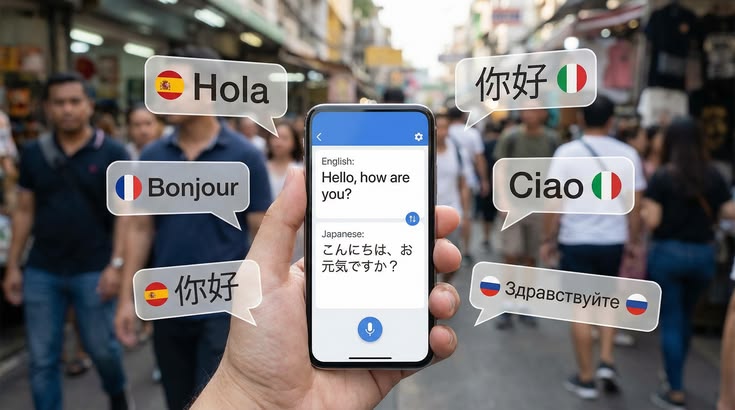
Traveling to a new country is one of the most exciting ways to experience different cultures, cuisines, and traditions. However, language differences can often become a significant challenge, especially when asking for directions, ordering food, checking into hotels, or communicating during emergencies. Fortunately, modern translation apps for travelers have transformed the way people communicate abroad. Powered by artificial intelligence and advanced speech recognition, these applications make conversations faster, easier, and more accurate than ever before.
As international tourism continues to grow, travelers increasingly rely on travel translation apps to navigate unfamiliar environments confidently. Whether you’re exploring the streets of Tokyo, visiting markets in Morocco, hiking through South America, or attending a business meeting in Germany, today’s digital language translation tools help bridge communication gaps almost instantly. This guide explains how smart translation apps work, their key benefits, and why they have become an essential companion for modern travelers worldwide.
Why Translation Apps for Travelers Are More Important Than Ever
Global tourism has become more accessible, allowing millions of people to visit countries where they may not speak the local language. While English is widely understood in many destinations, effective communication is still essential when interacting with local communities, using public transportation, shopping in local markets, or seeking medical assistance.
This growing demand has led to the rapid development of translation apps for travelers, offering instant text, voice, image, and conversation translation through smartphones and tablets.
Instead of relying on printed phrasebooks or struggling with unfamiliar languages, travelers can now communicate naturally using technology that translates conversations within seconds.
This improvement has made international travel more comfortable, independent, and enjoyable.
How AI Translation Is Changing Global Travel

Modern AI translation technology has dramatically improved the accuracy and speed of digital language tools.
Unlike older dictionary-based translation systems, artificial intelligence analyzes context, grammar, pronunciation, and sentence structure to deliver more natural translations. Machine learning algorithms continuously improve by processing millions of multilingual conversations, allowing apps to understand everyday speech more effectively.
Many applications now support:
- Real-time voice translation.
- Camera-based text recognition.
- Live conversation mode.
- Handwriting recognition.
- Pronunciation assistance.
- Context-aware language suggestions.
These intelligent features help travelers communicate with greater confidence in a wide range of situations.
Offline Translator Features Keep Travelers Connected
Reliable internet access is not always available during international trips.
Fortunately, many offline translator applications allow users to download language packs before departure. This enables travelers to translate conversations, menus, street signs, and essential phrases without relying on mobile data or Wi-Fi.
Offline functionality is particularly valuable when visiting remote villages, mountain regions, national parks, or countries with expensive roaming charges.
Preparing offline languages before traveling ensures uninterrupted communication even in areas with limited connectivity.
Supporting Multilingual Travel Around the World
Today’s travelers often visit multiple countries during a single trip, making multilingual travel increasingly common.
For example, a European itinerary may include France, Germany, Italy, Spain, and the Netherlands within just a few weeks. Rather than learning several new languages before departure, travelers can use a single application to switch instantly between dozens of supported languages.
This flexibility allows tourists to communicate comfortably throughout complex international itineraries while reducing travel stress.
Multilingual capabilities have become especially valuable for backpackers, cruise passengers, business travelers, and long-term digital nomads.
Communication Apps Improve Everyday Travel Experiences
Modern communication apps simplify countless travel situations beyond simple conversations.
Travelers use these tools to ask for transportation information, communicate with hotel staff, understand restaurant menus, negotiate prices in local markets, read public notices, and request emergency assistance when needed.
Many translation apps also integrate with messaging platforms, allowing travelers to exchange translated text messages with local guides, hosts, or service providers.
This practical functionality improves convenience while helping visitors interact more confidently with people from different cultural backgrounds.
Travel Technology Is Making Exploration Easier
The rapid advancement of travel technology continues transforming how people explore the world.
Translation applications now integrate with smartphones, wearable devices, smart cameras, and voice assistants, allowing users to access language support almost instantly. Some travel platforms even combine translation features with maps, booking services, itinerary management, and local recommendations within a single application.
As technology evolves, travelers can expect even more seamless communication through augmented reality, improved speech recognition, and real-time multilingual conversations.
These innovations are helping remove one of the biggest obstacles to international exploration.
Choosing the Right Language Tools
Selecting effective language tools depends on individual travel needs and destinations.
Business travelers may prioritize professional conversation accuracy and document translation, while leisure travelers often value camera translation, offline access, and easy-to-use interfaces.
When comparing translation applications, consider features such as supported languages, offline capabilities, voice recognition, camera translation, privacy protection, and regular software updates.
Choosing the right combination of features helps ensure smooth communication throughout every journey.
The Future of Language Translation for International Travel
The future of language translation is expected to become even more sophisticated.
Artificial intelligence continues improving pronunciation accuracy, contextual understanding, regional dialect recognition, and multilingual conversations. Wearable translation devices, smart earbuds, and augmented reality glasses may soon allow travelers to communicate naturally without needing to look at smartphone screens.
As international tourism expands, translation technology will continue making global travel more inclusive, accessible, and enjoyable for people from every background.
Frequently Asked Questions (FAQs)
1. What are translation apps for travelers?
Translation apps for travelers are mobile applications that help users communicate in different languages through text, voice, image, and real-time conversation translation.
2. Do travel translation apps work offline?
Yes. Many travel translation apps allow users to download language packs for offline use before traveling.
3. How accurate is AI translation?
Modern AI translation provides highly accurate results for many everyday conversations, although complex technical or cultural expressions may still require clarification.
4. Can translation apps translate signs and menus?
Yes. Most modern apps use smartphone cameras to translate menus, road signs, documents, and printed text instantly.
5. Are translation apps useful for business travel?
Absolutely. They help professionals communicate during meetings, presentations, networking events, and international conferences with greater confidence.
6. What features should travelers look for in language tools?
Important features include offline access, voice translation, camera translation, multilingual support, secure data protection, and an easy-to-use interface.
Conclusion
Modern translation apps for travelers have transformed international travel by making communication faster, easier, and more accessible than ever before. Through advanced AI translation, reliable offline translator capabilities, and intelligent language translation features, travelers can confidently navigate unfamiliar destinations, interact with local communities, and enjoy richer cultural experiences. Whether you’re exploring vibrant cities, remote villages, or attending international business events, smart translation technology helps eliminate language barriers and creates more meaningful connections around the world.
As travel technology continues advancing, these innovative language tools will become even more powerful, supporting smoother multilingual travel experiences for millions of people worldwide. Before your next international adventure, choose a reliable translation app, download the languages you need, and travel with confidence knowing that communication is only a tap away.
Stay Informed With the Latest & Most Important News
Previous Post
Next Post