Now Reading: How Scandinavian Home Design Is Influencing Modern Living Spaces in 2026
-
01
How Scandinavian Home Design Is Influencing Modern Living Spaces in 2026
How Scandinavian Home Design Is Influencing Modern Living Spaces in 2026

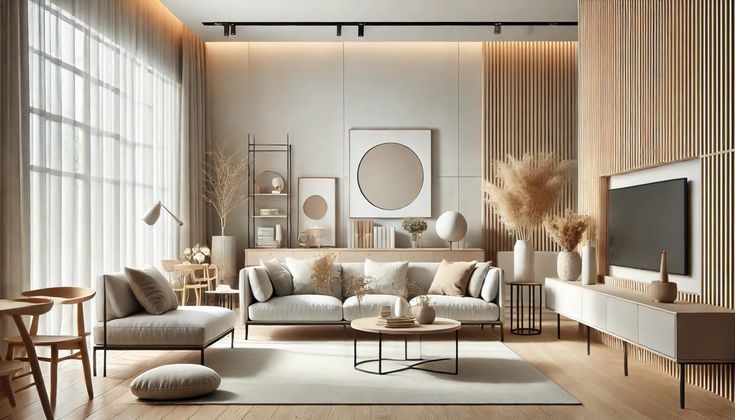
In 2026, Scandinavian home design continues to inspire homeowners, interior designers, and architects around the world. Originating from Nordic countries such as Sweden, Denmark, Norway, Finland, and Iceland, this design philosophy emphasizes simplicity, functionality, sustainability, and comfort. As modern lifestyles become increasingly fast-paced, more people are choosing interiors that promote calmness, organization, and well-being.
From compact city apartments in Tokyo and London to spacious family homes in North America and Australia, Scandinavian home design has become a global lifestyle movement. By combining clean lines, natural materials, neutral colors, and practical furniture, this timeless approach creates living spaces that are both beautiful and functional. This guide explores why Scandinavian design remains one of the strongest interior design trends in 2026 and how you can incorporate its principles into your own home.
Why Scandinavian Home Design Continues to Grow
The popularity of Scandinavian interiors is closely linked to changing lifestyle priorities. Homeowners increasingly seek peaceful environments that reduce visual clutter while maximizing comfort and efficiency. Minimalist living has also gained momentum as people embrace sustainable consumption and intentional home organization.
Unlike decorative styles that rely on excessive ornamentation, Scandinavian home design focuses on quality over quantity. Every piece of furniture and décor serves a purpose while contributing to a cohesive aesthetic.
Reasons behind its continued popularity include:
- Clean and timeless visual appeal.
- Practical layouts suitable for small and large homes.
- Strong focus on sustainability.
- Comfortable spaces that support everyday living.
- Easy integration with different architectural styles.
The Core Principles of Scandinavian Home Design
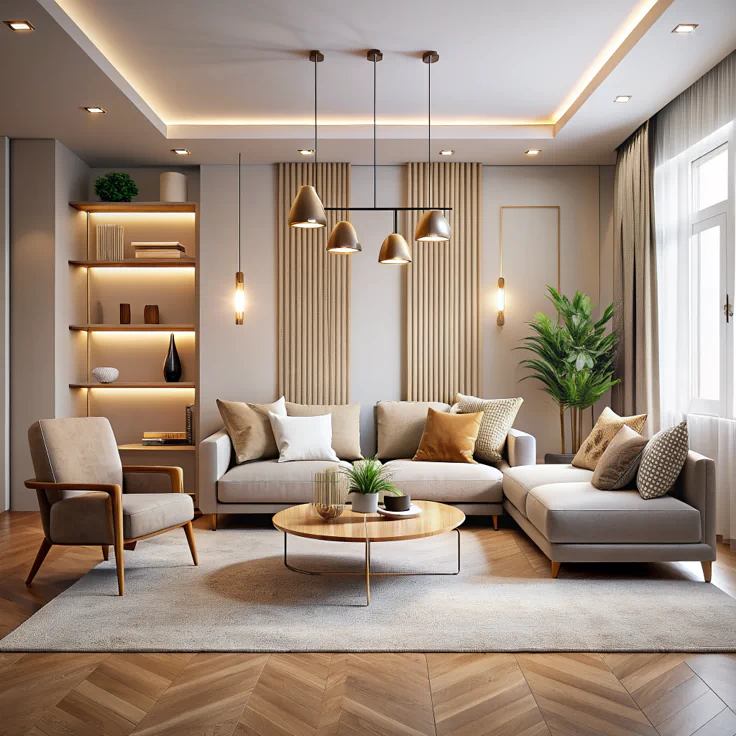
The foundation of Scandinavian interiors is built on simplicity without sacrificing warmth or personality. The goal is to create spaces that feel welcoming while remaining highly functional.
Several characteristics define this design philosophy:
- Neutral color palettes featuring whites, greys, beige, and soft earth tones.
- Natural materials such as wood, stone, wool, and linen.
- Open layouts that maximize natural light.
- Functional furniture with clean lines.
- Minimal decorative elements.
These principles allow homeowners to create balanced environments that remain stylish for years.
Modern Home Decor Inspired by Nordic Living
One reason modern home decor continues embracing Scandinavian influences is its versatility. Whether decorating a studio apartment or a large family home, Nordic-inspired elements adapt easily to different spaces.
Rather than filling rooms with decorative accessories, Scandinavian interiors prioritize carefully selected pieces that offer both beauty and practicality.
Popular home styling ideas include:
- Light-colored wooden flooring.
- Indoor plants for natural freshness.
- Soft textured throws and cushions.
- Minimal artwork with neutral tones.
- Large windows that maximize daylight.
These simple additions help transform ordinary rooms into calming living spaces
Minimalist Interiors Create Functional Homes
Modern homeowners are increasingly choosing minimalist interiors because they reduce clutter while improving everyday functionality. Scandinavian design encourages thoughtful purchasing rather than excessive decorating.
A minimalist approach offers several practical advantages:
- Easier cleaning and maintenance.
- Better room organization.
- More open visual space.
- Reduced unnecessary furniture.
- Improved focus and relaxation.
By eliminating distractions, minimalist interiors create homes that support both productivity and well-being.
Sustainable Home Design Is a Growing Priority
Environmental awareness has become a major influence on today’s design decisions. As a result, sustainable home design plays an essential role in Scandinavian interiors.
Many homeowners now choose eco-friendly materials, locally sourced furniture, and energy-efficient lighting to reduce environmental impact while creating healthier living environments.
Sustainable choices include:
- FSC-certified wooden furniture.
- Recycled textiles.
- LED lighting.
- Energy-efficient appliances.
- Natural and biodegradable materials.
These decisions not only benefit the environment but also improve long-term value and durability.
Nordic Interiors Focus on Comfort and Coziness
Despite their minimalist appearance, Nordic interiors are designed to feel warm and inviting. The Danish concept of “Hygge” emphasizes comfort, relaxation, and enjoying simple everyday moments.
Creating cozy living spaces often involves layering soft textures and warm lighting rather than adding excessive decoration.
Elements that enhance comfort include:
- Wool blankets.
- Soft rugs.
- Warm ambient lighting.
- Comfortable seating.
- Natural wood furniture.
This balance between simplicity and comfort is one of the reasons Scandinavian design continues attracting homeowners worldwide.
Contemporary Furniture Shapes Modern Living
Furniture plays a central role in Scandinavian interiors. Rather than oversized decorative pieces, designers prioritize contemporary furniture that combines clean aesthetics with practical functionality.
Typical characteristics include:
- Straight lines.
- Light wood finishes.
- Multi-functional designs.
- Ergonomic seating.
- Compact storage solutions.
These pieces work particularly well in urban apartments where maximizing available space is essential.
Interior Design Trends in 2026
Global interior design trends increasingly reflect Scandinavian influences as homeowners seek healthier, more flexible living environments. Hybrid work has also changed how people use their homes, increasing demand for organized and adaptable spaces.
Current trends include:
- Multi-purpose home offices.
- Nature-inspired color palettes.
- Smart home integration.
- Sustainable furnishings.
- Minimalist décor with personal touches.
These developments align naturally with Scandinavian design principles, making the style more relevant than ever.
How to Bring Scandinavian Style into Your Home
You don’t need a complete renovation to embrace Scandinavian aesthetics. Small, thoughtful changes can significantly transform the atmosphere of your living space.
Simple upgrades include:
- Choose neutral wall colors.
- Replace heavy curtains with light fabrics.
- Invest in quality wooden furniture.
- Reduce unnecessary decorations.
- Add plants for natural texture.
- Use layered lighting for warmth.
These affordable improvements create a cleaner and more relaxing environment without major remodeling.
Frequently Asked Questions (FAQs)
1. What is Scandinavian home design?
Scandinavian home design is an interior design style originating from Nordic countries that emphasizes simplicity, functionality, natural materials, and comfortable living spaces.
2. Why is Scandinavian design so popular?
Its timeless appearance, practical layouts, sustainable approach, and ability to create calm, organized homes have made it popular worldwide.
3. Is Scandinavian design the same as minimalism?
Not exactly. While both styles emphasize simplicity, Scandinavian design adds warmth through natural textures, soft lighting, and comfortable furnishings.
4. What colors are commonly used in Scandinavian interiors?
Neutral colors such as white, beige, grey, soft brown, and muted earth tones dominate Scandinavian interiors, helping maximize natural light.
5. How can I make my home look Scandinavian on a budget?
Focus on decluttering, using neutral colors, adding natural wood accents, incorporating indoor plants, choosing simple furniture, and using warm lighting instead of expensive renovations.
6. Is Scandinavian design suitable for small apartments?
Yes. Its emphasis on functionality, smart storage, and open layouts makes it one of the best design styles for compact living spaces.
Conclusion
The lasting popularity of Scandinavian home design reflects a growing desire for homes that balance beauty, comfort, and functionality. By combining modern home decor, minimalist interiors, sustainable home design, and thoughtfully selected contemporary furniture, this timeless style continues influencing homes across Europe, North America, Asia, Australia, and beyond. Its focus on simplicity, natural materials, and cozy living creates environments that support both relaxation and everyday productivity.
Whether you’re redesigning an entire home or simply refreshing a single room, adopting Scandinavian principles can help you create a space that feels brighter, more organized, and more inviting. Start with small changes, prioritize quality over quantity, and embrace this globally admired design philosophy to transform your living space in 2026 and beyond.
Stay Informed With the Latest & Most Important News
Previous Post
Next Post