Now Reading: I Tried Traveling Without Google – And It Broke My Brain in the Best Way
-
01
I Tried Traveling Without Google – And It Broke My Brain in the Best Way
I Tried Traveling Without Google – And It Broke My Brain in the Best Way

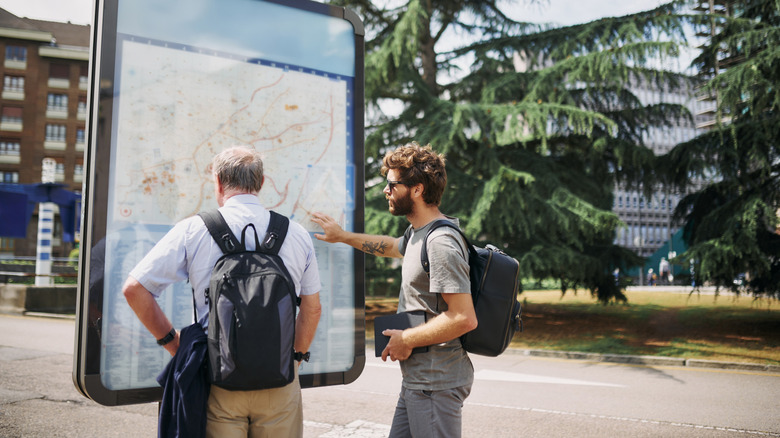
In an era where almost every travel decision is guided by an app, algorithm, or online review, the idea of traveling without Google feels almost impossible. Yet that was exactly the challenge I set for myself. No Google Maps to navigate unfamiliar streets, no search results to answer questions, and no reviews to tell me where to eat or what to see. What started as a simple experiment quickly became a lesson in intuition, spontaneity, and the forgotten art of figuring things out on your own.
A Different Kind of Departure
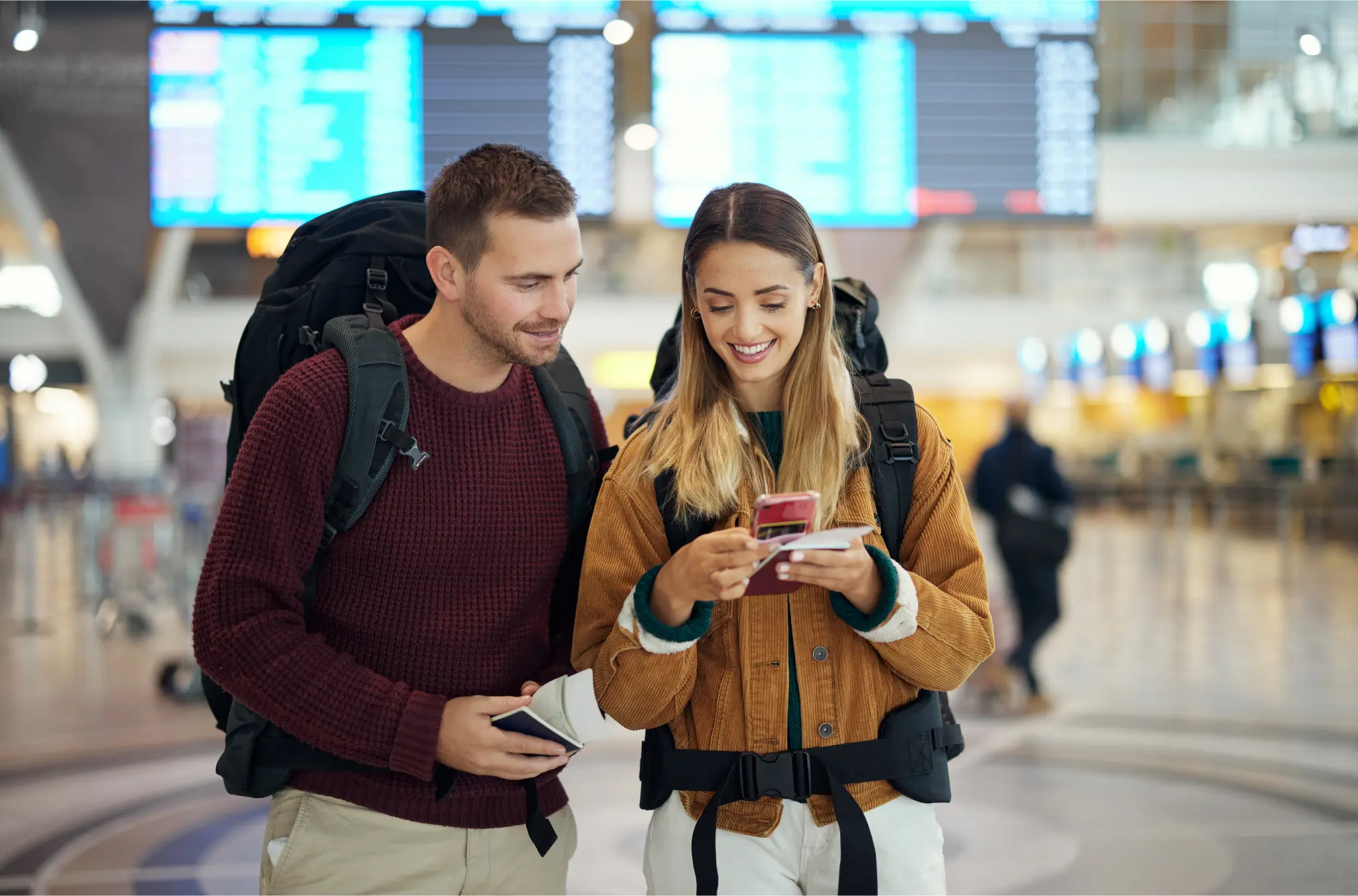
At the airport, everything looked normal.
People scrolling. Notifications buzzing. Boarding passes glowing on screens.
I had all of that too – technically.
But I had decided, before even stepping onto the plane, that I wouldn’t use any of it once I landed.
No Google Maps.
No searching “best places near me.”
No checking reviews before walking into a restaurant.
For a week, I would travel the way people used to – without the quiet safety net of the internet guiding every decision.
What I didn’t expect was how quickly the absence of it would feel… uncomfortable.
Day One: Lost, Immediately
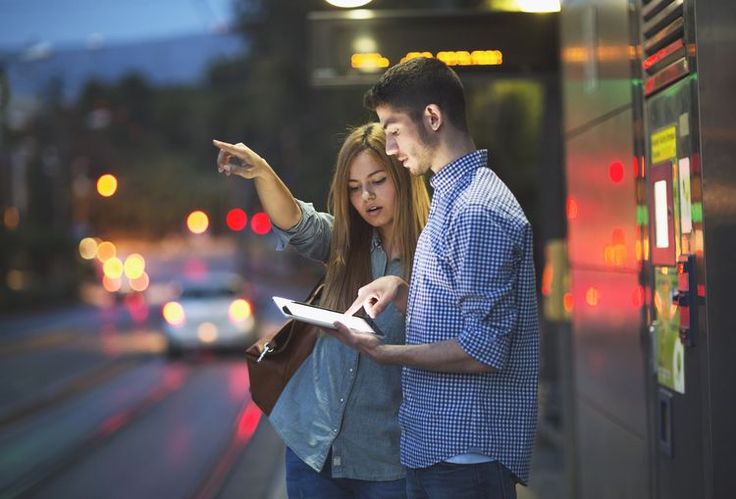
The first challenge came faster than expected.
I stepped out of the airport and realized I didn’t know the fastest way to reach my accommodation.
Normally, this is a 30-second problem:
Open Google Maps → follow blue line → arrive.
Instead, I had to:
- Ask a taxi driver
- Cross-check directions with someone else
- Trust that both weren’t completely off
It took longer. It felt inefficient.
But it also forced me into interaction-something I usually avoid when everything is optimized.
The Strange Anxiety of Not Knowing
We don’t talk about this enough.
Modern travel has removed uncertainty.
And with that, it has also removed a certain kind of awareness.
Without constant access to information, I noticed:
- I paid more attention to signs
- I remembered landmarks more clearly
- I thought ahead instead of reacting instantly
But there was also a low-level anxiety running in the background.
What if I go the wrong way?
What if I miss something important?
It wasn’t overwhelming-but it was always there.
Eating Without Reviews (This Was the Hardest Part)
Choosing where to eat without ratings felt almost reckless.
No 4.7 stars.
No “must try” lists.
No curated recommendations.
Just instinct.
The results were mixed.
One meal was incredible – completely unplanned, found by accident.
Another was forgettable.
And that’s when it clicked:
Reviews don’t just guide decisions-they protect you from bad ones.
Without them, you experience the full spectrum again.
Navigation Became a Skill Again
By day three, something shifted.
Instead of feeling lost, I started feeling… capable.
I began to:
- Recognize street patterns
- Use landmarks instead of directions
- Build a mental map of the area
It wasn’t faster than GPS.
But it was deeper.
Places stopped being pins on a screen and started becoming something I actually understood.
What I Gained (That I Didn’t Expect)
This experiment wasn’t about rejecting technology.
It was about noticing what happens when you remove it.
Conversations Became Necessary
Without apps, people became the interface.
I asked:
- Locals for directions
- Café owners for recommendations
- Strangers for help
And most of the time, people responded positively.
Travel felt more human.
Time Felt Different
Without constant checking and optimizing, the pace changed.
I wasn’t trying to “fit everything in.”
I was just… moving through the day.
And oddly, that made the experience feel fuller.
Mistakes Became Part of the Story
Wrong turns. Bad meals. Missed spots.
Normally, these feel like failures.
Here, they felt like part of the experience.
Because nothing was being optimized away.
What I Definitely Missed
Let’s be honest – this wasn’t perfect.
Efficiency Took a Hit
Everything took longer.
Transport. Planning. Finding places.
If you’re on a tight schedule, this approach is impractical.
Some Convenience Is Hard to Give Up
Translation apps. Ride-hailing. Quick searches.
Modern tools exist for a reason.
And completely avoiding them sometimes felt unnecessary.
The Safety Net Was Gone
There’s comfort in knowing you can:
- Find your way instantly
- Check information quickly
- Solve problems in seconds
Without that, you rely more on judgment – and that’s not always easy.
The Middle Ground (This Is the Real Takeaway)
Going fully offline isn’t the goal.
At least, not for most people.
But this experiment revealed something more useful:
You don’t need to use technology for everything.
Try this instead:
- Navigate one day without maps
- Choose one meal without reviews
- Spend a few hours without searching anything
You don’t lose convenience – you regain awareness.
FAQs
Is it safe to travel without Google Maps?
It can be, in safe and well-known areas. Basic awareness and planning are important.
How do you navigate without GPS?
Using landmarks, asking locals, and paying attention to street signs.
Is this practical for all trips?
No. It works better for flexible travel, not tight itineraries.
What’s the biggest benefit of unplugged travel?
Greater presence and a deeper connection to your surroundings.
Conclusion
Technology didn’t ruin travel.
But it did change it – quietly, completely, and in ways we rarely question.
This experiment wasn’t about going backward.
It was about seeing clearly what we’ve gained – and what we might be losing.
Because sometimes, the fastest route isn’t the most memorable one.
Stay Informed With the Latest & Most Important News