Now Reading: Via Ferrata Routes for an Unforgettable Mountain Adventure
-
01
Via Ferrata Routes for an Unforgettable Mountain Adventure

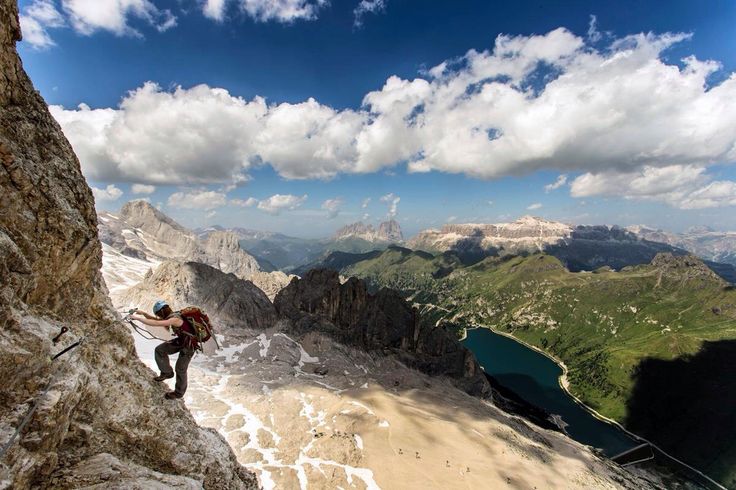
If you want to experience mountains from a completely different perspective, via ferrata routes offer an exciting combination of hiking, climbing, and exposure without requiring the same technical skills as traditional rock climbing. These protected climbing routes use fixed steel cables, ladders, rungs, bridges, and other equipment to help travelers move safely across steep mountain terrain. Originally developed in the European Alps, via ferrata has become a popular form of mountain adventure for active travelers seeking dramatic scenery and a greater sense of challenge.
From the spectacular Dolomites in Italy to the Austrian Alps and mountain regions beyond Europe, via ferrata routes range from beginner-friendly trails to demanding high-altitude adventures. Choosing the right route is essential because difficulty, elevation, exposure, weather, and required equipment can vary significantly. With proper preparation and a qualified guide when necessary, a via ferrata can become one of the most memorable outdoor experiences of your trip.
What Makes Via Ferrata Different from Traditional Climbing?
A via ferrata, meaning “iron way” in Italian, combines elements of hiking and climbing. Instead of relying entirely on natural handholds and technical climbing equipment, participants follow a prepared route equipped with permanent protection.
The system typically includes:
- Steel cables fixed to the rock.
- Metal rungs and steps.
- Ladders.
- Suspension or crossing bridges.
- Anchored climbing sections.
- Occasionally tunnels or exposed traverses.
Travelers normally use a specialized via ferrata lanyard and harness to remain connected to the fixed cable. However, the equipment does not eliminate risk. A fall on an exposed section can still be serious, which is why understanding the route’s grading system and following safety procedures is essential.
The Dolomites: The Birthplace of Via Ferrata Adventure
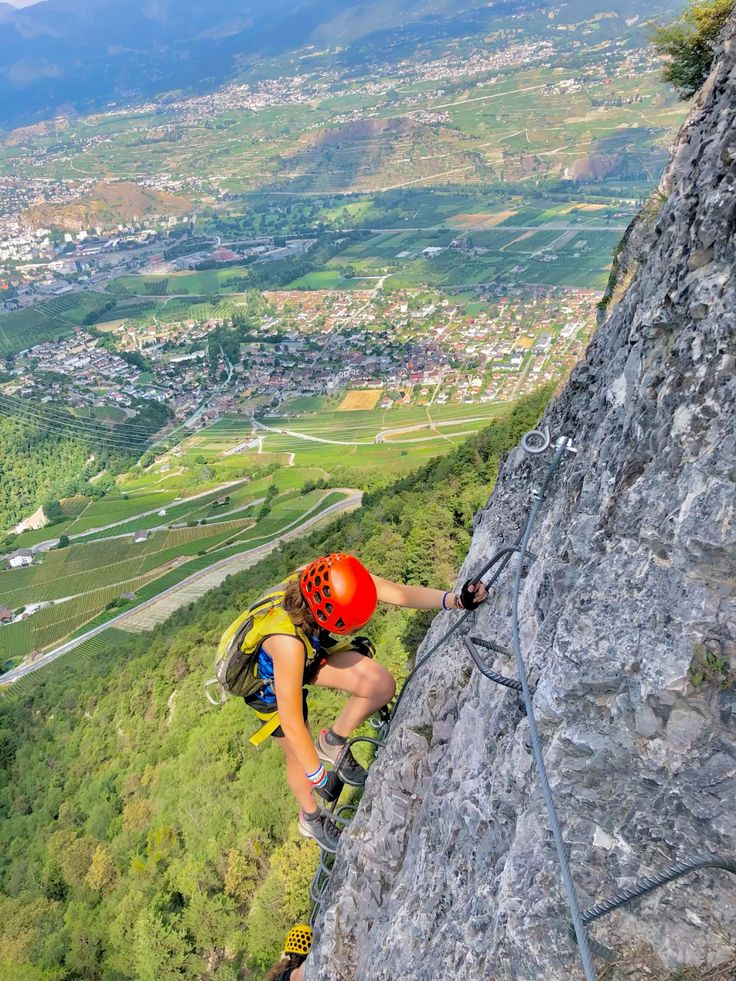
The Italian Dolomites are arguably the most iconic destination for via ferrata routes. Many of the area’s protected paths have historical connections to World War I, when soldiers constructed routes across difficult mountain terrain.
Today, the Dolomites attract climbers, hikers, and adventure travelers from around the world. The combination of pale limestone peaks, dramatic cliffs, green valleys, and extensive mountain infrastructure creates an exceptional environment for protected climbing.
Routes for Different Experience Levels
The Dolomites contain everything from relatively accessible routes to highly exposed technical challenges. Beginners can choose shorter routes with moderate elevation gain, while experienced participants can tackle longer traverses and more demanding vertical sections.
Some routes are located near popular mountain towns, making it possible to combine a mountain adventure with comfortable accommodation, restaurants, and other outdoor activities.
Austrian Alps: Scenic Routes with Excellent Mountain Access
Austria is another major destination for via ferrata destinations, with routes spread across the Tyrol, Salzburg, Styria, and other alpine regions. The country’s well-developed mountain infrastructure makes many routes comparatively easy to access.
Austrian ferratas range from family-oriented beginner experiences to challenging alpine climbs. Many are located near cable cars or mountain huts, allowing travelers to reduce the approach hike and focus more time on the protected climbing section.
The scenery is equally impressive, with views across:
- Alpine valleys.
- Glacial peaks.
- Mountain lakes.
- Limestone cliffs.
- Forested slopes.
- Traditional villages.
For travelers combining hiking and climbing during a European vacation, Austria provides excellent flexibility.
Switzerland: High-Altitude Scenery and Vertical Challenges
Switzerland offers another compelling setting for via ferrata routes, particularly around destinations such as the Bernese Oberland and Valais. The country’s combination of dramatic peaks, glaciers, and well-maintained mountain infrastructure makes it particularly attractive to experienced outdoor travelers.
One of the best-known areas is around Mürren, where protected climbing experiences combine steep terrain with spectacular views of the surrounding Bernese Alps.
A Different Way to See the Swiss Alps
Instead of simply viewing mountains from a hiking trail or cable car, via ferrata allows travelers to interact directly with the terrain. Exposed traverses can provide remarkable perspectives across valleys and toward major alpine peaks.
These routes are especially appealing to travelers who want an alpine adventure without committing to a full technical mountaineering expedition.
France: Via Ferrata in the French Alps
France has developed a strong via ferrata culture, particularly in the Alps and other mountainous regions. Many routes are designed to introduce participants to protected climbing while others provide demanding challenges for experienced adventurers.
French routes can feature cliffs, narrow ledges, vertical rock faces, and long traverses. Because difficulty varies considerably, travelers should study route descriptions carefully before setting out.
The French Alps also make it easy to combine via ferrata with other outdoor activities, including hiking, mountain biking, rafting, and traditional alpine sightseeing.
Spain: Mediterranean Landscapes Meet Protected Climbing
Spain may not be the first country travelers associate with via ferrata, but its mountainous regions offer increasingly popular protected routes. Areas in Catalonia, Andalusia, Aragón, and other regions provide a combination of cliffs, gorges, and dry Mediterranean scenery.
Spanish routes can be particularly appealing during periods when higher European mountains are covered in snow. Depending on location and season, travelers may enjoy warmer conditions while exploring dramatic rock formations.
For adventure travelers who want to combine climbing with cultural tourism, Spain offers an interesting alternative to the classic European Alps.
Beyond Europe: Growing Via Ferrata Destinations
Although the European Alps remain the heart of via ferrata culture, protected climbing routes can now be found in mountain regions around the world. Canada, the United States, New Zealand, and other countries have developed ferrata-style experiences that introduce visitors to exposed mountain terrain.
North American routes often combine the classic steel-cable system with spectacular wilderness scenery. Some are positioned in national parks or major mountain destinations, while others have been created as purpose-built adventure attractions.
The global expansion of these routes means travelers no longer need to limit their via ferrata destinations to Europe.
How to Choose a Route That Matches Your Ability
Not every via ferrata is suitable for every traveler. Route grading systems differ between countries, so comparing difficulty descriptions is essential.
Before booking, consider:
- Your previous climbing or hiking experience.
- Total route duration.
- Elevation gain.
- Maximum vertical sections.
- Exposure level.
- Approach and descent requirements.
- Weather conditions.
- Whether a guide is recommended.
Beginners should choose a route specifically designed for introductory participants rather than simply selecting the shortest available trail.
Essential Equipment for a Safe Climb
Proper equipment is one of the most important parts of any mountain adventure involving fixed cables. A standard setup generally includes a climbing harness, specialized via ferrata lanyard with energy absorbers, helmet, and suitable footwear.
Depending on the route and conditions, additional equipment may include gloves, weatherproof clothing, water, navigation tools, and technical climbing equipment recommended by a guide.
If you’re traveling internationally, guided operators often provide the specialist equipment, but always confirm exactly what is included before booking.
When Should You Plan a Via Ferrata Adventure?
Seasonality can dramatically affect mountain conditions. Many alpine routes are most accessible during the warmer months, while higher routes can remain affected by snow and ice well into summer.
Before your trip:
- Check current mountain weather.
- Confirm whether the route is officially open.
- Ask about snow or ice conditions.
- Check cable and route maintenance information.
- Start early to allow enough daylight.
- Have an alternative plan for poor weather.
Never treat a fixed cable as a guarantee that conditions are safe.
Frequently Asked Questions
1. What are via ferrata routes?
Via ferrata routes are protected mountain paths equipped with fixed steel cables, metal rungs, ladders, and other features that help climbers travel across steep or exposed terrain.
2. Do I need climbing experience for a via ferrata?
Not necessarily. Beginner routes are available, but participants should be comfortable hiking and being exposed to heights. More difficult routes require greater climbing ability and physical fitness.
3. Where are the best via ferrata destinations?
The Dolomites in Italy, Austrian Alps, Swiss Alps, and French Alps are among the most established via ferrata destinations, while protected routes are also available in North America and other mountainous regions.
4. Is via ferrata safer than rock climbing?
Via ferrata provides fixed protection, but it is not risk-free. A fall can cause serious injury, particularly on exposed routes, so proper equipment, route selection, and safety procedures are essential.
5. What equipment is needed?
A harness, via ferrata energy-absorbing lanyard, helmet, and suitable footwear are fundamental. Guided operators often provide specialist equipment.
6. What is the best season for via ferrata?
For many European alpine routes, summer and early autumn offer the most accessible conditions, although the ideal period depends on elevation, location, and current mountain weather.
Conclusion
Via ferrata routes provide an exciting middle ground between traditional hiking and technical rock climbing, allowing travelers to experience steep mountain terrain while following fixed protection systems. From the spectacular Dolomites and Austrian Alps to Switzerland, France, Spain, and emerging international destinations, each route offers its own combination of scenery, exposure, and challenge.
The key to a successful mountain adventure is choosing a route that matches your experience rather than simply chasing the most dramatic climb. Check local conditions, use the correct equipment, and consider hiring a qualified guide if you’re unfamiliar with protected climbing. Choose your ideal route, prepare responsibly, and start planning an unforgettable alpine adventure that takes you far beyond the ordinary mountain trail.
Stay Informed With the Latest & Most Important News
Previous Post
Next Post