Now Reading: Historic Neighborhoods That Tell the Story of a City’s Past
-
01
Historic Neighborhoods That Tell the Story of a City’s Past

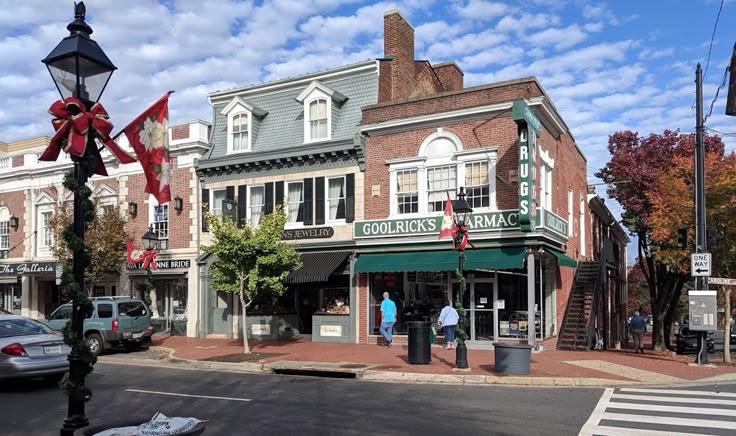
Every city has a story, and some of its most fascinating chapters are written within its historic neighborhoods. Long before modern skyscrapers and bustling commercial districts transformed urban landscapes, these neighborhoods served as cultural, political, and economic centers that shaped the identity of entire regions. Today, they continue to preserve centuries of history through their architecture, streets, public squares, and local traditions, offering travelers an authentic glimpse into the past.
Exploring historic neighborhoods is one of the most rewarding ways to understand a destination beyond its famous landmarks. Whether wandering through the medieval alleys of Prague, the colonial streets of Cartagena, the ancient hutongs of Beijing, or the charming quarters of Lisbon, visitors experience living history where local communities continue traditions passed down through generations. This guide explores why historic neighborhoods deserve a place on every travel itinerary and highlights what makes them such valuable cultural destinations.
Why Historic Neighborhoods Matter
Modern cities constantly evolve, yet historic neighborhoods preserve the architectural styles, customs, and stories that define their heritage. Rather than functioning as museums, many remain vibrant residential communities where old traditions blend naturally with modern life.
These neighborhoods provide valuable insight into how cities developed over time. Narrow streets, historic marketplaces, religious buildings, and traditional homes reveal how people lived centuries ago while reflecting the influence of different civilizations, trade routes, and cultural exchanges.
Visiting these areas allows travelers to appreciate history in a way that books and museums alone cannot provide.
What Defines Historic Neighborhoods?
Historic neighborhoods are districts that have retained significant historical, architectural, or cultural importance over many years. They often feature protected buildings, preserved street layouts, and community traditions that remain active today.

Common characteristics include:
- Historic buildings.
- Traditional marketplaces.
- Cobblestone streets.
- Heritage monuments.
- Public squares.
- Local artisan shops.
Many cities actively preserve these districts through restoration projects and heritage conservation programs.
Cultural Neighborhoods Preserve Local Identity
One of the defining qualities of cultural neighborhoods is their ability to preserve local identity despite urban development.
These districts often celebrate regional customs through festivals, food, music, crafts, and community events. Visitors gain opportunities to interact with residents, sample authentic cuisine, and experience traditions that continue to shape daily life.
Examples of well-known cultural neighborhoods include:
- Alfama in Lisbon, Portugal.
- La Candelaria in Bogotá, Colombia.
- Gion in Kyoto, Japan.
- Old Havana in Cuba.
- Sultanahmet in Istanbul, Türkiye.
Each neighborhood reflects the unique character of its city while preserving centuries of cultural heritage.
Heritage Districts Protect Architectural Treasures
Many heritage districts are recognized because of their remarkable architecture.
Historic churches, temples, government buildings, merchant houses, and traditional homes showcase architectural styles from different historical periods. Gothic cathedrals, Renaissance palaces, colonial buildings, and traditional wooden houses often exist side by side, illustrating the city’s evolution.
When exploring heritage districts, visitors can appreciate:
- Unique building designs.
- Historic restoration projects.
- Decorative facades.
- Ancient city walls.
- Traditional public squares.
- Historic bridges.
These architectural landmarks help preserve cultural identity for future generations.
Old Towns Offer a Journey Through Time
Many cities are best known for their beautifully preserved old towns.
Unlike modern districts designed for vehicles, old towns encourage slow exploration on foot. Narrow lanes, hidden courtyards, family-owned cafés, and centuries-old buildings create an atmosphere that transports visitors into another era.
Some of the world’s most famous old towns include:
- Prague Old Town, Czech Republic.
- Dubrovnik Old Town, Croatia.
- Tallinn Old Town, Estonia.
- Québec Old Town, Canada.
- Rhodes Old Town, Greece.
- San Miguel de Allende, Mexico.
These destinations combine history with vibrant local life.
Local History Comes Alive Through Everyday Life
Reading about history is informative, but experiencing local history firsthand creates a deeper connection.
Walking through historic neighborhoods allows travelers to imagine how merchants traded, artists created, rulers governed, and families lived generations ago. Museums, historic homes, memorials, and guided exhibitions further enrich the experience.
Many neighborhoods also feature storytelling tours that explain significant historical events while highlighting local legends and traditions.
Architecture Reflects Centuries of Change
One of the most fascinating aspects of historic neighborhoods is their architecture.
Buildings often reflect multiple historical influences as cities expanded and different cultures contributed to their development. Roman ruins, Islamic courtyards, Baroque churches, Victorian houses, and Art Nouveau facades may all coexist within the same district.
Architectural highlights commonly include:
- Religious monuments.
- Government buildings.
- Merchant houses.
- Ancient gates.
- Historic courtyards.
- Traditional residences.
Observing these structures offers valuable insight into each city’s historical evolution.
Walking Tours Reveal Hidden Stories
The best way to experience historic neighborhoods is often through guided or self-guided walking tours.
Walking allows visitors to notice architectural details, local businesses, public art, and hidden alleyways that are easily missed when traveling by car or bus.
Walking tours often include:
- Historic landmarks.
- Local markets.
- Museums.
- Cultural centers.
- Traditional cafés.
- Scenic viewpoints.
Many cities now provide digital walking guides that enhance independent exploration.
UNESCO Heritage Recognition Adds Global Importance
Numerous historic neighborhoods have received UNESCO heritage recognition because of their exceptional cultural value.
UNESCO designation helps protect important districts from uncontrolled development while encouraging responsible tourism and preservation.
Well-known UNESCO-listed historic neighborhoods include:
- Old City of Jerusalem.
- Historic Centre of Florence.
- Old Québec.
- Historic Centre of Vienna.
- Historic Centre of Mexico City.
- Old Town of Lviv.
These protected areas attract millions of visitors every year while preserving irreplaceable cultural treasures.
City Exploration Is More Meaningful Beyond Famous Attractions
Many travelers spend most of their time visiting iconic landmarks while overlooking the surrounding neighborhoods.
True city exploration involves wandering local streets, discovering neighborhood cafés, speaking with residents, and appreciating everyday life. Historic districts often provide these authentic experiences while avoiding the commercial atmosphere found in many tourist hotspots.
Taking time to explore slowly frequently leads to the most memorable travel moments.
Tips for Exploring Historic Neighborhoods
To enjoy your visit responsibly:
- Walk whenever possible.
- Respect local residents.
- Support local businesses.
- Visit museums and cultural centers.
- Follow preservation guidelines.
- Learn basic local customs.
These simple practices help protect historic neighborhoods while enriching your travel experience.
Frequently Asked Questions (FAQs)
1. What are historic neighborhoods?
Historic neighborhoods are areas of a city that preserve significant historical, architectural, and cultural heritage through protected buildings and long-standing community traditions.
2. Why should travelers visit cultural neighborhoods?
Cultural neighborhoods offer authentic experiences through local traditions, food, festivals, architecture, and everyday community life that showcase a destination’s unique identity.
3. What makes heritage districts special?
Heritage districts protect important historical buildings and urban landscapes, preserving architectural styles and cultural significance for future generations.
4. Why are walking tours recommended?
Walking tours allow visitors to fully appreciate architectural details, hidden streets, local businesses, and historical landmarks at a comfortable pace.
5. What is UNESCO heritage recognition?
UNESCO heritage recognition identifies locations of outstanding cultural or historical value and helps protect them through international preservation efforts.
6. How can travelers help preserve historic neighborhoods?
Visitors can support preservation by respecting local communities, following cultural guidelines, supporting local businesses, and practicing responsible tourism.
Conclusion
Exploring historic neighborhoods offers far more than sightseeing—it provides a meaningful connection to the people, traditions, and events that shaped today’s cities. From beautifully preserved old towns and vibrant cultural neighborhoods to internationally recognized heritage districts, these remarkable places allow travelers to experience history as a living part of everyday life.
Whether you’re admiring centuries-old architecture, joining informative walking tours, discovering fascinating local history, or visiting UNESCO heritage sites, every historic neighborhood reveals a unique story waiting to be explored. Add these timeless districts to your next travel itinerary and discover how understanding a city’s past can make every journey richer, more memorable, and deeply rewarding.
Stay Informed With the Latest & Most Important News
Previous Post
Next Post