Now Reading: Farm Stays Around the World That Offer Authentic Travel Experiences
-
01
Farm Stays Around the World That Offer Authentic Travel Experiences


Modern travel is evolving beyond crowded tourist attractions and luxury hotels. More travelers are seeking meaningful experiences that allow them to connect with local communities, enjoy nature, and learn about traditional ways of life. One of the fastest-growing trends supporting this shift is farm stays. From vineyards in Italy and sheep farms in New Zealand to coffee plantations in Colombia and organic farms in Japan, farm stays provide an opportunity to experience everyday rural life while enjoying comfortable accommodation.
Choosing farm stays allows visitors to immerse themselves in local culture, participate in seasonal farming activities, and appreciate sustainable living practices. Unlike conventional hotels, these accommodations focus on authentic hospitality, fresh local food, and memorable interactions with host families. Whether you’re planning a family holiday, a romantic countryside escape, or a solo adventure, this guide explores why farm stays are becoming one of the most rewarding travel experiences worldwide.
Why Farm Stays Are Becoming More Popular
Travelers today are increasingly interested in experiences rather than simply visiting destinations. Farm stays combine relaxation with education, allowing guests to understand where food comes from, experience regional traditions, and spend time surrounded by nature.
As interest in agritourism continues to grow worldwide, farms have expanded beyond agriculture to offer accommodation, guided tours, cooking experiences, nature walks, and cultural activities. These experiences support local communities while giving travelers a deeper appreciation for rural life.
Some of the key reasons travelers choose farm stays include:
- Peaceful natural surroundings.
- Authentic local hospitality.
- Fresh farm-to-table meals.
- Cultural learning opportunities.
- Outdoor activities for all ages.
- Sustainable tourism experiences.
This combination makes farm stays attractive to both domestic and international visitors.
What Are Farm Stays?
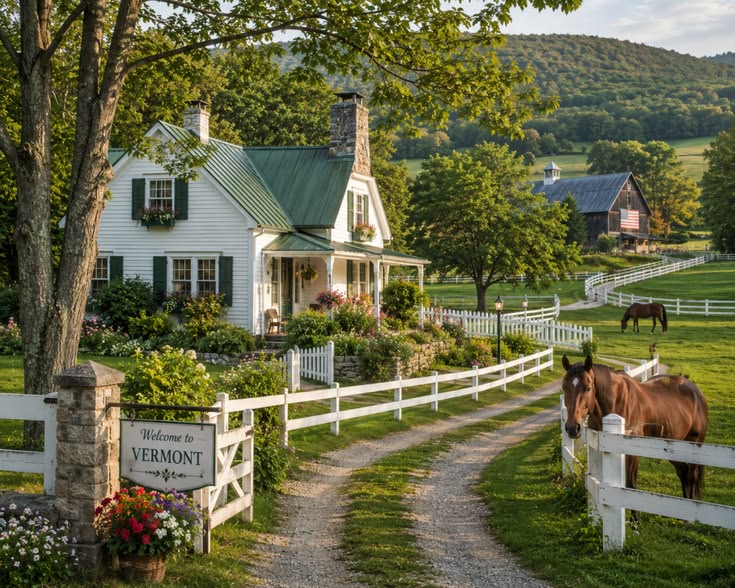
Farm stays are accommodations located on working farms, vineyards, orchards, ranches, or agricultural estates where guests can experience daily rural life while enjoying comfortable lodging.
Depending on the destination, visitors may have opportunities to:
- Feed farm animals.
- Harvest seasonal produce.
- Join cooking classes.
- Learn traditional farming methods.
- Explore nearby villages.
- Participate in local festivals.
Every farm stay offers a unique experience shaped by its location, culture, and agricultural traditions.
Agritourism Connects Travelers with Local Culture
One of the greatest benefits of agritourism is the opportunity to interact directly with local communities.
Instead of observing culture from a distance, guests often share meals with hosts, learn family recipes, discover regional customs, and hear stories passed down through generations. These personal interactions create memories that are difficult to replicate through conventional tourism.
Countries such as Italy, France, Spain, Australia, and New Zealand have developed thriving agritourism industries that combine hospitality with agricultural heritage.
Countryside Accommodation Offers Peace and Comfort
Many travelers choose countryside accommodation to escape busy cities and reconnect with nature.
Unlike urban hotels, rural properties often feature open landscapes, fresh air, scenic views, and slower daily routines. Whether surrounded by vineyards, olive groves, rice fields, or mountain farms, countryside accommodation creates a relaxing environment that encourages rest and mindfulness.
Guests frequently enjoy:
- Spacious outdoor areas.
- Quiet surroundings.
- Scenic walking trails.
- Home-cooked meals.
- Personalized hospitality.
- Beautiful sunrise and sunset views.
These qualities make countryside stays particularly popular among families and couples.
Eco Farm Stays Support Sustainable Tourism
Many modern eco farm stays prioritize environmentally responsible practices.
These farms often generate renewable energy, reduce food waste, grow organic produce, conserve water, and promote biodiversity. Staying at environmentally conscious properties allows travelers to reduce their tourism footprint while supporting responsible businesses.
Common sustainability initiatives include:
- Organic farming.
- Solar energy.
- Rainwater harvesting.
- Plastic reduction.
- Composting systems.
- Wildlife conservation.
Choosing eco farm stays contributes to both environmental protection and rural economic development.
Rural Tourism Benefits Local Communities
The growth of rural tourism creates meaningful economic opportunities outside major cities.
Income generated from accommodation, guided tours, food experiences, and craft workshops helps farming families diversify their livelihoods while preserving traditional industries.
Travelers also benefit by discovering lesser-known destinations that offer authentic experiences without large tourist crowds.
Popular rural tourism destinations include:
- Tuscany, Italy.
- Hokkaido, Japan.
- The Cotswolds, United Kingdom.
- Mendoza, Argentina.
- Kerala, India.
- Vermont, USA.
Each region offers distinctive agricultural traditions and cultural experiences.
Countryside Vacations Encourage Slower Travel
Many travelers are embracing slower, more intentional travel styles.
Countryside vacations allow visitors to disconnect from busy schedules and spend quality time exploring nature, reading, hiking, cycling, or simply enjoying peaceful surroundings. Without packed sightseeing itineraries, guests often develop a stronger appreciation for local life and the environment.
Activities may include:
- Nature walks.
- Horse riding.
- Birdwatching.
- Fruit picking.
- Farm tours.
- Stargazing.
These simple experiences often become the most memorable part of a journey.
Family-Friendly Stays Create Meaningful Memories
Many family-friendly stays on farms provide educational experiences for children while offering relaxing holidays for adults.
Children can interact with animals, learn about agriculture, and participate in outdoor activities instead of spending time indoors. Parents appreciate the safe environment, spacious accommodation, and opportunities to introduce children to nature.
Families often enjoy:
- Feeding animals.
- Tractor rides.
- Outdoor playgrounds.
- Vegetable harvesting.
- Farm workshops.
- Campfires.
These shared experiences encourage learning through exploration and strengthen family connections.
Local Hospitality Makes Every Stay Unique
Unlike standardized hotel experiences, farm stays are built around local hospitality.
Hosts often welcome guests into their homes, prepare traditional regional meals, recommend nearby attractions, and share insights about local culture. This personal approach creates genuine connections that many travelers consider the highlight of their trip.
Every destination offers something unique, from cheese-making demonstrations in Switzerland to olive harvesting in Greece or coffee picking in Costa Rica.
How to Choose the Right Farm Stay
Selecting the right property depends on your travel preferences and interests.
Before booking, consider:
- Farm activities available.
- Accommodation style.
- Sustainability practices.
- Family-friendly facilities.
- Meal options.
- Nearby attractions.
- Guest reviews.
- Seasonal experiences.
Researching these factors helps ensure your chosen farm stay aligns with your travel expectations.
Frequently Asked Questions (FAQs)
1. What are farm stays?
Farm stays are accommodations located on working farms where guests can experience rural life, local food, and agricultural activities while enjoying comfortable lodging.
2. What is agritourism?
Agritourism combines farming with tourism by allowing visitors to experience agricultural activities, local traditions, and countryside living.
3. Are farm stays suitable for families?
Yes. Many family-friendly stays offer animal interactions, outdoor activities, educational experiences, and spacious accommodation for visitors of all ages.
4. What makes eco farm stays different?
Eco farm stays focus on sustainable accommodation through environmentally friendly farming practices, renewable energy, waste reduction, and conservation efforts.
5. What activities are available during countryside vacations?
Typical countryside vacations include hiking, cycling, fruit picking, farm tours, cooking classes, horse riding, and wildlife observation.
6. Why is local hospitality important during a farm stay?
Local hospitality creates authentic travel experiences by allowing guests to connect directly with host families, enjoy regional cuisine, and learn about local traditions.
Conclusion
As travelers increasingly seek meaningful and sustainable journeys, farm stays continue to redefine what authentic travel looks like. By combining comfortable countryside accommodation, engaging agritourism experiences, and genuine local hospitality, these unique destinations offer much more than a place to sleep—they provide lasting cultural connections and unforgettable memories.
Whether you’re planning peaceful countryside vacations, looking for environmentally responsible eco farm stays, or searching for family-friendly stays surrounded by nature, farm accommodation offers experiences that traditional hotels simply cannot match. Consider adding a farm stay to your next itinerary and discover how rural tourism can enrich your travels while supporting local communities around the world.
Stay Informed With the Latest & Most Important News
Previous Post
Next Post