Now Reading: Rock Climbing Destinations That Challenge Every Skill Level
-
01
Rock Climbing Destinations That Challenge Every Skill Level

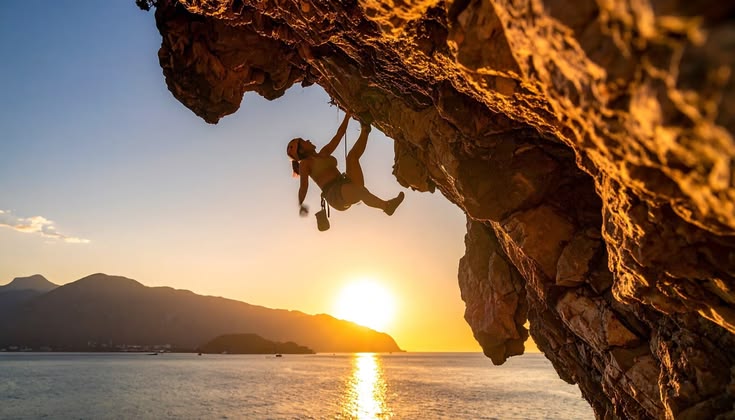
For thrill-seekers and outdoor enthusiasts, few activities offer the same combination of physical challenge, mental focus, and breathtaking scenery as rock climbing. From towering granite walls and rugged limestone cliffs to dramatic mountain ranges and coastal crags, the world’s best rock climbing destinations attract climbers of every experience level. Whether you’re taking your first outdoor climb or tackling advanced multi-pitch routes, choosing the right destination can elevate your adventure while helping you develop new skills.
In recent years, adventure travel has seen significant global growth, with more travelers seeking active experiences that connect them with nature. Climbing destinations across North America, Europe, Asia, Oceania, and South America now welcome thousands of climbers annually through guided expeditions, climbing schools, and protected outdoor recreation areas. This guide explores the most impressive rock climbing destinations around the world while highlighting the best locations for mountain climbing, scenic climbing routes, and unforgettable outdoor adventures.
Why Rock Climbing Continues to Grow Worldwide
Rock climbing has evolved from a specialized sport into one of the world’s fastest-growing outdoor activities. Improved safety equipment, professional instruction, and accessible climbing gyms have encouraged more people to transition from indoor walls to natural landscapes.
Beyond the physical challenge, climbing offers opportunities to experience remote wilderness, develop confidence, and appreciate stunning natural environments. Many climbers also value the strong sense of community found at popular climbing areas around the world.
The benefits of climbing include:
- Improved strength and endurance.
- Better balance and coordination.
- Enhanced problem-solving skills.
- Greater confidence and resilience.
- Opportunities to explore spectacular natural landscapes.
- Meaningful connections with fellow climbers.
For many travelers, climbing becomes more than a sport-it becomes a reason to explore the world.
Yosemite National Park, USA
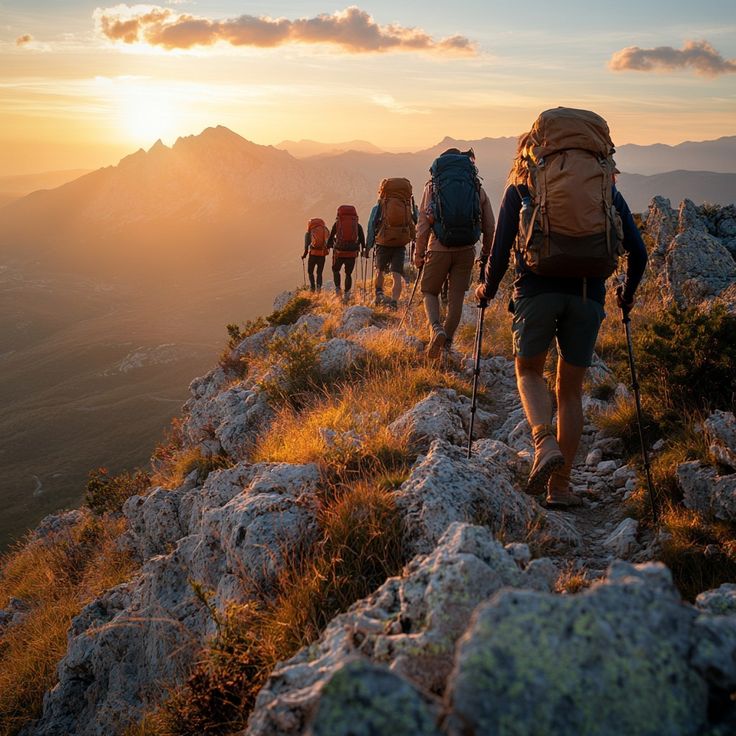
Among all rock climbing destinations, few are as legendary as Yosemite National Park in California, USA.
Home to the iconic granite walls of El Capitan and Half Dome, Yosemite has shaped the history of modern climbing for decades. Climbers from around the world visit to challenge themselves on routes ranging from beginner-friendly climbs to some of the most demanding big-wall ascents ever established.
The park offers:
- World-famous granite cliffs.
- Hundreds of climbing routes.
- Professional guiding services.
- Scenic mountain landscapes.
- Excellent camping facilities.
Yosemite remains one of the most influential locations in global adventure tourism.
Kalymnos, Greece
Located in the Aegean Sea, Kalymnos has become one of Europe’s premier climbing destinations.
Its limestone cliffs overlook crystal-clear waters, creating a spectacular environment for sport climbing. The island enjoys a long climbing season thanks to its Mediterranean climate, making it popular with international visitors.
Highlights include:
- Thousands of bolted climbing routes.
- Scenic coastal cliffs.
- Beginner and advanced climbing sectors.
- Beautiful island scenery.
- Welcoming climbing community.
Kalymnos perfectly combines climbing with a relaxing Mediterranean holiday.
Railay Beach, Thailand
Thailand’s Railay Beach is internationally recognized for its dramatic limestone formations rising directly above the Andaman Sea.
Accessible only by boat, this climbing paradise offers an unforgettable combination of tropical scenery and world-class routes.
Visitors can enjoy:
- Ocean-view climbing.
- Guided climbing courses.
- Deep-water solo opportunities.
- Stunning beaches.
- Relaxed adventure travel atmosphere.
Railay is particularly suitable for travelers looking to combine climbing with beach vacations.
Blue Mountains, Australia
Australia’s Blue Mountains provide some of the country’s most diverse climbing routes.
Located near Sydney, the region features sandstone cliffs surrounded by eucalyptus forests and spectacular valleys. Climbers of all experience levels can find suitable routes while enjoying panoramic views across the national park.
Popular features include:
- Traditional climbing routes.
- Sport climbing areas.
- Scenic hiking trails.
- Abundant wildlife.
- Easily accessible climbing sectors.
The Blue Mountains are ideal for combining outdoor sports with nature exploration.
Patagonia, Argentina and Chile
For experienced climbers seeking serious mountain climbing, Patagonia represents one of the ultimate global challenges.
The region’s dramatic granite peaks, unpredictable weather, and remote wilderness create an environment suited to advanced mountaineering and technical climbing.
Patagonia offers:
- Alpine climbing.
- Glacier landscapes.
- Multi-day expeditions.
- Spectacular mountain scenery.
- Untouched wilderness.
Climbers visiting Patagonia should prepare carefully and consider hiring experienced local guides due to rapidly changing weather conditions.
South Africa’s Cederberg Mountains
The Cederberg region is one of Africa’s hidden climbing gems.
Known for its distinctive sandstone formations, quiet atmosphere, and beautiful natural surroundings, it attracts climbers looking for less crowded alternatives to more famous destinations.
Visitors appreciate:
- Unique sandstone formations.
- Scenic hiking opportunities.
- Traditional climbing routes.
- Peaceful outdoor settings.
- Excellent camping areas.
The region provides outstanding opportunities for both climbing and wildlife photography.
National Parks Protect World-Class Climbing Areas
Many of the world’s finest rock climbing destinations are located within protected national parks, where conservation and recreation work together.
These parks preserve geological formations, wildlife habitats, forests, and scenic landscapes while allowing responsible outdoor recreation.
Benefits of climbing in protected areas include:
- Preserved natural environments.
- Clearly maintained climbing access.
- Visitor education programs.
- Sustainable tourism practices.
- Opportunities to observe native wildlife.
- Long-term conservation of climbing resources.
Responsible climbers help ensure these remarkable places remain accessible for future generations.
Choosing the Right Climbing Destination
Selecting the ideal climbing location depends on experience, fitness, weather conditions, and travel goals.
Before planning your trip, consider:
- Your climbing experience level.
- Seasonal weather patterns.
- Route difficulty ratings.
- Availability of certified guides.
- Equipment rental options.
- Local safety regulations.
Proper planning improves both safety and overall enjoyment.
Essential Safety Tips for Outdoor Climbing
Safety should always remain the highest priority during climbing adventures.
Before attempting any route:
- Inspect all climbing equipment.
- Wear a properly fitted helmet.
- Check weather forecasts.
- Climb with experienced partners.
- Learn local emergency procedures.
- Respect environmental regulations.
Good preparation allows climbers to focus on the experience while minimizing unnecessary risks.
Frequently Asked Questions (FAQs)
1. What are the best rock climbing destinations in the world?
Some of the most famous rock climbing destinations include Yosemite National Park (USA), Kalymnos (Greece), Railay Beach (Thailand), Patagonia (Argentina and Chile), the Blue Mountains (Australia), and the Dolomites (Italy).
2. Are these climbing destinations suitable for beginners?
Yes. Many leading climbing destinations offer beginner-friendly routes, climbing schools, equipment rentals, and certified guides who provide instruction for first-time climbers.
3. What equipment is needed for outdoor rock climbing?
Essential equipment includes climbing shoes, a harness, helmet, ropes, belay devices, carabiners, chalk, and appropriate protective gear. Beginners can often rent equipment at popular climbing destinations.
4. When is the best time to visit rock climbing destinations?
The ideal season depends on the region. Spring and autumn generally provide the most comfortable climbing conditions in many parts of North America and Europe, while tropical destinations may be suitable during their dry seasons.
5. Is rock climbing safe for beginners?
Yes. With proper instruction, certified guides, quality equipment, and appropriate route selection, beginners can safely enjoy outdoor climbing while gradually building their skills.
6. Why are national parks popular for climbing?
Many national parks protect exceptional rock formations, scenic cliffs, and mountain landscapes while promoting responsible adventure tourism and sustainable outdoor recreation.
Conclusion
The world’s leading rock climbing destinations offer far more than challenging routes-they provide unforgettable experiences surrounded by some of Earth’s most spectacular natural landscapes. Whether you’re scaling the legendary granite walls of Yosemite, climbing limestone cliffs in Greece and Thailand, or embarking on demanding mountain climbing expeditions in Patagonia, every destination presents opportunities for personal growth, adventure, and exploration.
As adventure travel continues to inspire outdoor enthusiasts worldwide, climbing remains one of the most rewarding ways to experience nature while developing confidence and technical skills. By choosing destinations that match your ability, respecting local environments, and prioritizing safety, you can enjoy incredible outdoor adventures for years to come. Start planning your next climbing journey and discover why these remarkable cliffs continue to inspire climbers from every corner of the world.
Related Posts
Stay Informed With the Latest & Most Important News
Previous Post
Next Post