Now Reading: Best Wildlife Safari Destinations for Nature Lovers Around the World
-
01
Best Wildlife Safari Destinations for Nature Lovers Around the World

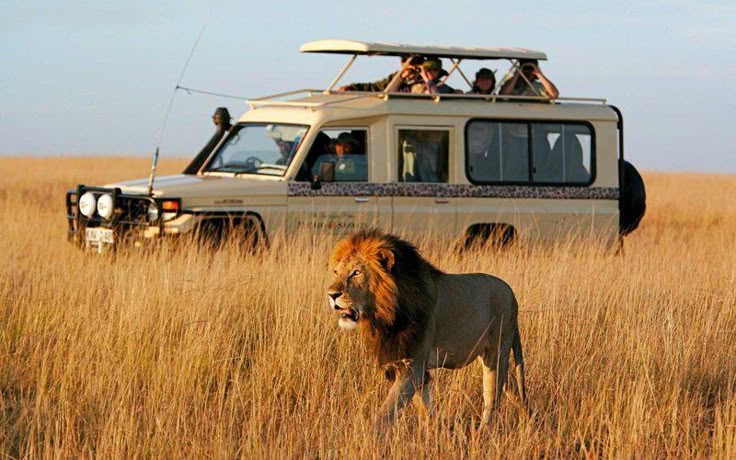
For travelers who dream of witnessing animals in their natural habitats, few experiences compare to visiting the world’s top wildlife safari destinations. Whether it’s watching lions roam the African savannah, observing elephants gathering at watering holes, spotting jaguars in South America’s wetlands, or photographing polar bears in the Arctic, wildlife safaris offer unforgettable encounters with nature. Unlike zoos or wildlife parks, safari experiences provide the opportunity to observe animals behaving naturally within protected ecosystems, creating meaningful connections between travelers and the natural world.
The growing interest in responsible tourism has also increased demand for sustainable safari travel experiences. Modern safari tours increasingly focus on conservation, local community support, and environmental protection while allowing visitors to explore some of Earth’s most remarkable landscapes. This guide highlights the best wildlife safari destinations around the world, explains what makes each unique, and shares practical tips for planning a safe, responsible, and memorable wildlife adventure.
Why Wildlife Safaris Continue to Inspire Travelers
Wildlife tourism has become one of the fastest-growing sectors of the global travel industry. According to conservation organizations and tourism reports, millions of travelers choose wildlife-focused vacations every year, generating valuable income for protected areas and supporting conservation initiatives.
The appeal extends far beyond simply spotting animals. Safari experiences allow visitors to witness ecosystems in action, understand conservation efforts, and appreciate the delicate balance between wildlife, landscapes, and local communities.
The biggest reasons travelers choose safari experiences include:
- Close encounters with wild animals.
- Spectacular natural landscapes.
- Outstanding opportunities for nature photography.
- Learning about conservation efforts.
- Supporting eco-tourism initiatives.
- Once-in-a-lifetime adventure vacations.
These experiences make wildlife safaris one of the most rewarding forms of nature-based travel.
African Safaris: The Ultimate Wildlife Experience
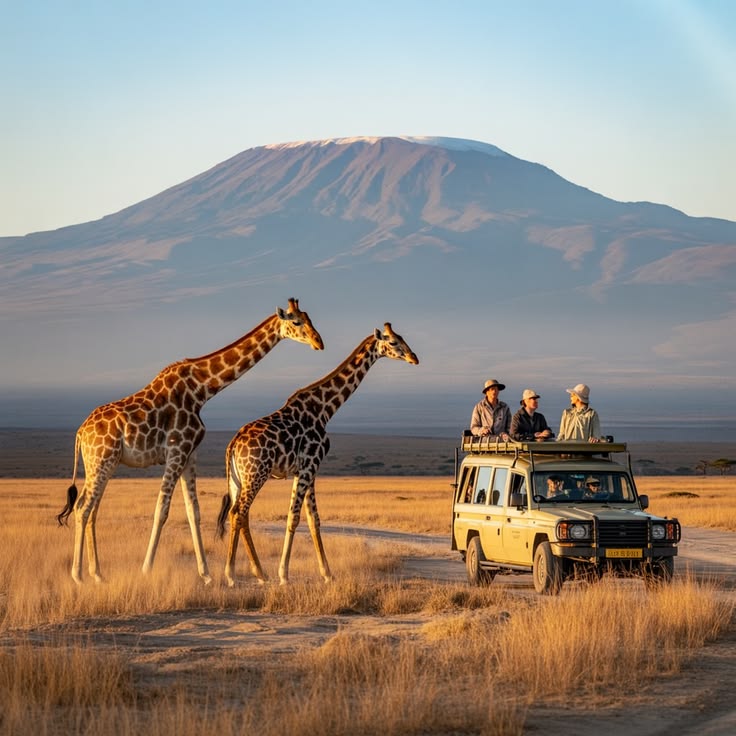
When discussing wildlife safari destinations, African safaris remain the gold standard. The continent offers unmatched biodiversity, vast national parks, and extraordinary opportunities to observe animals roaming freely across open landscapes.
Countries such as Kenya, Tanzania, South Africa, Botswana, Namibia, and Zambia attract travelers from around the world seeking unforgettable wildlife encounters.
One of the biggest highlights of an African safari is the opportunity to see the legendary Big Five-the lion, leopard, elephant, rhinoceros, and Cape buffalo. Originally named by hunters because they were considered the most difficult animals to track on foot, today the Big Five represent some of Africa’s most celebrated wildlife sightings.
Famous parks such as Serengeti National Park in Tanzania, Maasai Mara National Reserve in Kenya, Kruger National Park in South Africa, and Chobe National Park in Botswana offer exceptional safari experiences throughout the year.
Explore Incredible National Parks Across the Globe
Although Africa dominates safari tourism, many outstanding national parks outside the continent provide equally remarkable wildlife experiences.
India’s Ranthambore and Bandhavgarh National Parks are famous for Bengal tiger sightings, while Sri Lanka’s Yala National Park offers opportunities to observe elephants, leopards, and diverse birdlife.
In South America, Brazil’s Pantanal is considered one of the world’s best places to photograph jaguars and aquatic wildlife. North America offers exceptional wildlife viewing in Yellowstone National Park and Denali National Park, where visitors may encounter bears, wolves, bison, moose, and elk.
Australia’s national parks provide opportunities to observe kangaroos, koalas, wombats, crocodiles, and countless native bird species in unique ecosystems found nowhere else on Earth.
These destinations demonstrate that unforgettable wildlife experiences exist across every continent.
Wildlife Adventures Beyond Traditional Safaris
Modern wildlife adventures extend beyond classic jeep safaris.
Travelers can explore Arctic regions to observe polar bears, embark on whale-watching expeditions along coastal regions, visit rainforests to spot rare primates, or enjoy river safaris that reveal aquatic wildlife from a unique perspective.
Birdwatching has also become increasingly popular, attracting photographers and conservation enthusiasts to destinations such as Costa Rica, Ecuador, Peru, and Uganda, where exceptional biodiversity supports hundreds of bird species.
These specialized wildlife experiences allow travelers to discover ecosystems that differ dramatically from traditional African safari landscapes.
Eco-Tourism Is Shaping the Future of Safari Travel
Responsible eco-tourism has become a central focus of modern safari experiences.
Many safari operators now prioritize wildlife conservation, habitat protection, sustainable accommodation, renewable energy, and partnerships with Indigenous and local communities. Revenue generated through responsible tourism often supports anti-poaching initiatives, scientific research, education programs, and wildlife conservation projects.
Travelers can contribute by selecting certified eco-friendly safari operators, respecting wildlife viewing guidelines, minimizing waste, and supporting locally owned businesses throughout their journey.
Choosing sustainable safari experiences helps protect endangered species while ensuring future generations can enjoy these extraordinary ecosystems.
Tips for Capturing Stunning Nature Photography
One of the greatest rewards of visiting wildlife safari destinations is the opportunity to create unforgettable nature photography.
Wild animals behave unpredictably, making patience one of the most valuable skills for photographers. Early morning and late afternoon often provide the best natural lighting while increasing the chances of active wildlife sightings.
To improve your photography experience:
- Bring a telephoto lens.
- Keep camera batteries fully charged.
- Avoid disturbing wildlife.
- Follow guide instructions carefully.
- Stay quiet during animal sightings.
- Respect minimum viewing distances.
Ethical photography always prioritizes animal welfare over capturing the perfect image.
Choosing the Right Safari Tour
Selecting suitable safari tours depends on your travel style, budget, and wildlife interests.
Luxury safaris provide exclusive lodges and private guides, while budget-friendly group tours offer affordable access to famous parks. Walking safaris, canoe safaris, hot-air balloon safaris, and photographic safaris each provide unique perspectives on wildlife and natural landscapes.
Researching seasonal wildlife migrations, weather conditions, and park accessibility before booking helps maximize your chances of unforgettable sightings.
Careful planning ensures every safari becomes a rewarding and educational experience.
Frequently Asked Questions (FAQs)
1. What are the best wildlife safari destinations in the world?
Top wildlife safari destinations include Kenya, Tanzania, South Africa, Botswana, Namibia, India, Brazil’s Pantanal, Yellowstone National Park, and Sri Lanka’s Yala National Park.
2. What is the Big Five?
The Big Five include the lion, leopard, elephant, rhinoceros, and Cape buffalo, which are among Africa’s most iconic safari animals.
3. When is the best time for safari travel?
The best time depends on the destination. Dry seasons generally provide better wildlife visibility because animals gather around reliable water sources.
4. Is safari travel suitable for families?
Yes. Many safari lodges and tour operators offer family-friendly experiences designed for travelers with children while maintaining high safety standards.
5. How does eco-tourism support wildlife conservation?
Eco-tourism helps fund protected areas, conservation projects, anti-poaching programs, scientific research, and local communities that protect wildlife habitats.
6. What equipment should I bring on a safari?
Bring binoculars, a camera with a zoom lens, comfortable clothing in neutral colors, sunscreen, insect repellent, reusable water bottles, and appropriate travel documents.
Conclusion
Exploring the world’s finest wildlife safari destinations offers far more than exciting animal encounters-it provides a deeper appreciation for nature, conservation, and the incredible diversity of life on Earth. From unforgettable African safaris featuring the legendary Big Five to wildlife-rich national parks across Asia, the Americas, and Australia, every destination offers unique opportunities to experience remarkable ecosystems and create lifelong memories. Responsible safari travel combined with ethical nature photography and sustainable eco-tourism practices helps preserve these extraordinary environments while supporting local communities and conservation efforts.
Whether you’re planning your first safari or adding another destination to your travel bucket list, choosing the right wildlife safari destinations allows you to experience some of the planet’s most spectacular natural wonders. Start planning your next wildlife adventure today and discover the thrill of observing nature where it truly belongs-in the wild.
Stay Informed With the Latest & Most Important News
Previous Post
Next Post