Now Reading: How to Pack Light Without Missing Travel Essentials
-
01
How to Pack Light Without Missing Travel Essentials

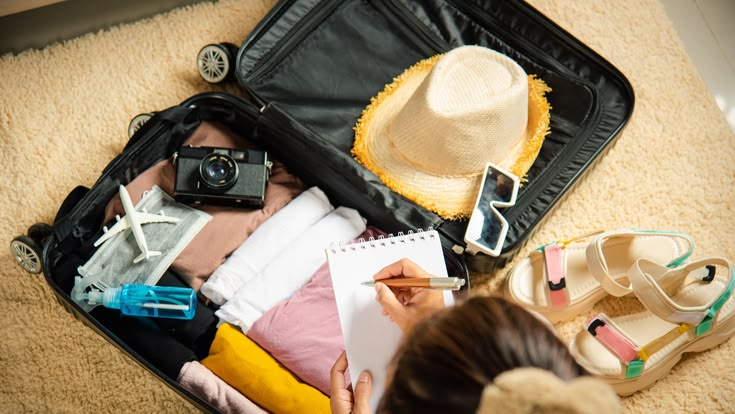
Whether you’re heading on a weekend city break, an international vacation, or a month-long adventure, packing light is one of the smartest travel skills you can develop. Carrying fewer belongings not only makes your journey more comfortable but also saves time at airports, reduces baggage fees, and gives you greater flexibility while exploring new destinations. Yet many travelers worry that bringing less means sacrificing comfort or forgetting something important.
The good news is that packing light doesn’t mean packing less-it means packing smarter. With thoughtful planning, versatile clothing, and a well-organized approach, you can fit everything you truly need into a carry-on bag while staying prepared for different weather conditions, activities, and destinations. This guide shares practical strategies, expert travel packing tips, and proven techniques to help you travel confidently without overpacking.
Why Packing Light Makes Every Trip Better
One of the biggest mistakes travelers make is preparing for every possible scenario instead of focusing on realistic needs. Overpacking often leads to heavy luggage, unnecessary airline baggage fees, and the inconvenience of dragging large suitcases through airports, train stations, and city streets.
Travelers who master packing light enjoy greater mobility and spend less time worrying about their belongings. A lighter suitcase also reduces physical strain and makes changing flights, boarding trains, or walking through historic cities much easier.
Some of the biggest benefits include:
- Faster airport check-in and security screening.
- Easier transportation between destinations.
- Lower baggage fees.
- Greater travel flexibility.
- Less stress during the journey.
- More room for souvenirs.
Packing efficiently allows you to focus more on the experience and less on managing your luggage.
Start with a Smart Packing Checklist
Every successful trip begins with a thoughtful packing checklist. Rather than packing impulsively, list everything you’ll actually use based on your destination, climate, planned activities, and trip duration.
A checklist helps eliminate duplicate items while ensuring essential documents, electronics, medications, and clothing are not forgotten. It also makes future trips easier because you can refine your list based on previous travel experiences.
Your checklist should generally include:
- Travel documents.
- Clothing suitable for the destination.
- Toiletries.
- Electronics and chargers.
- Medications.
- Personal identification.
Preparing a checklist several days before departure gives you time to review and remove unnecessary items.
Choose Versatile Clothing Instead of More Clothing
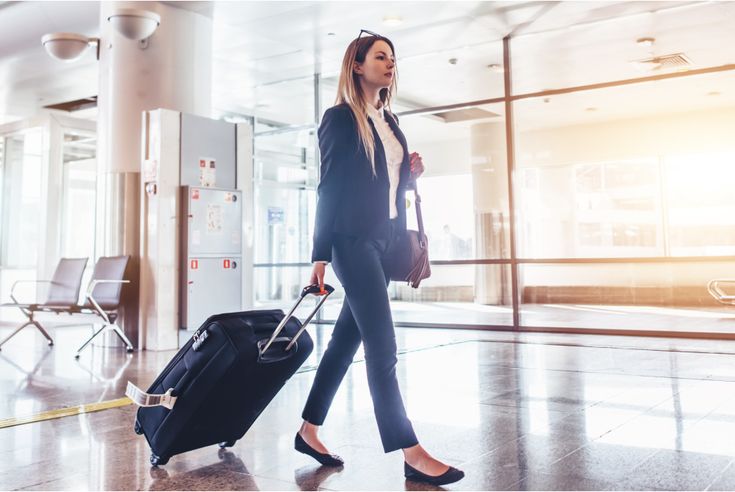
The secret to minimalist travel is selecting versatile clothing that can be mixed and matched into multiple outfits.
Neutral colors work particularly well because they pair easily with one another. Lightweight fabrics that resist wrinkles and dry quickly are also excellent choices, especially for longer trips.
Instead of packing separate outfits for every day, choose clothing that serves multiple purposes. A lightweight jacket, comfortable walking shoes, and versatile layers can adapt to changing weather conditions in destinations across Europe, Asia, North America, or Australia.
This strategy significantly reduces luggage without limiting outfit options.
Make the Most of Carry-On Luggage
Traveling with carry-on luggage offers several advantages beyond avoiding checked baggage fees.
Many airlines allow one cabin suitcase and a personal item, providing enough space for carefully selected essentials. Packing cubes, compression bags, and organized compartments maximize every inch of available space while keeping belongings neatly arranged.
To optimize your carry-on:
- Roll clothing instead of folding it.
- Use packing cubes for organization.
- Wear heavier clothing during travel.
- Store small items inside shoes.
- Limit duplicate toiletries.
- Keep electronics easily accessible.
Efficient organization helps you find everything quickly while maintaining a compact suitcase.
Pack Multi-Purpose Travel Essentials
One of the easiest ways to reduce luggage weight is by choosing items that perform multiple functions.
For example, a lightweight scarf can provide warmth on flights, serve as a beach cover-up, or function as a travel blanket. Similarly, a universal power adapter eliminates the need for multiple chargers when visiting different countries.
Useful travel essentials often include reusable water bottles, compact first-aid kits, portable chargers, and quick-drying towels that work across a variety of travel situations.
Focusing on versatility rather than quantity makes every item in your bag more valuable.
Smart Packing Tips for International Travel
International trips often require more planning because of varying climates, airline restrictions, and cultural considerations. Before packing, research the weather forecast, local customs, and baggage allowances for your airline.
Some destinations may require modest clothing for religious sites, while others involve extensive walking or outdoor activities. Packing according to your itinerary prevents unnecessary items from taking up valuable luggage space.
Experienced travelers also recommend leaving extra room in your suitcase for purchases made during the trip instead of filling every available compartment before departure.
Common Packing Mistakes to Avoid
Even experienced travelers occasionally overpack due to uncertainty or last-minute decisions.
Some of the most common mistakes include packing too many shoes, carrying full-size toiletries, bringing unnecessary electronics, and failing to consider laundry facilities available at the destination.
Other mistakes include:
- Packing “just in case” items.
- Ignoring airline baggage limits.
- Bringing duplicate accessories.
- Forgetting weather research.
- Overloading backpacks.
- Leaving no space for souvenirs.
Avoiding these habits leads to a lighter, more organized travel experience.
Frequently Asked Questions (FAQs)
1. Why is packing light important?
Packing light makes travel easier by reducing luggage weight, avoiding baggage fees, improving mobility, and simplifying airport navigation.
2. How can I fit everything into carry-on luggage?
Use packing cubes, roll your clothing, choose versatile outfits, minimize toiletries, and prioritize essential items over “just in case” belongings.
3. What are the most important travel essentials?
Travel documents, medications, chargers, weather-appropriate clothing, toiletries, comfortable shoes, and a reusable water bottle are among the most important travel essentials.
4. How many outfits should I pack for a week?
Most travelers can comfortably manage with four to five versatile outfits that can be mixed and matched, especially if laundry facilities are available.
5. What is minimalist travel?
Minimalist travel focuses on carrying only necessary belongings while maximizing versatility, comfort, and mobility throughout the journey.
6. Are packing cubes worth using?
Yes. Packing cubes improve organization, compress clothing, save space, and make it easier to locate items without unpacking your entire suitcase.
Conclusion
Mastering packing light is one of the simplest ways to improve every travel experience, regardless of your destination. By creating a thoughtful packing checklist, choosing versatile clothing, organizing carry-on luggage efficiently, and focusing on practical travel essentials, you can enjoy greater flexibility, lower travel costs, and a far more comfortable journey. Smart packing isn’t about bringing less for the sake of it-it’s about bringing exactly what you need and nothing you don’t.
Before your next trip, take time to plan your luggage carefully and apply these travel packing tips to build a lighter, more organized suitcase. With a little preparation, you’ll spend less time managing baggage and more time enjoying the incredible destinations waiting to be explored around the world.

Stay Informed With the Latest & Most Important News
Previous Post
Next Post