Now Reading: How Smart Hotels Are Transforming Guest Experiences in 2026
-
01
How Smart Hotels Are Transforming Guest Experiences in 2026

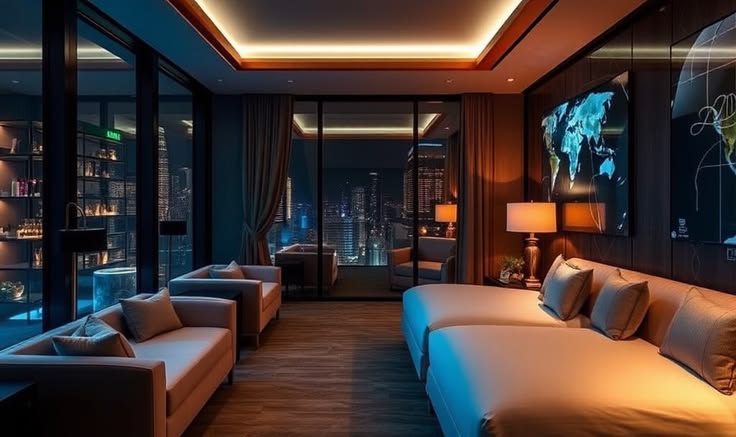
The hospitality industry is evolving faster than ever, and smart hotels are leading the transformation. Powered by artificial intelligence, automation, connected devices, and digital services, hotels worldwide are redefining how guests book rooms, check in, control their environment, and access personalized services. In 2026, travelers expect more than comfortable accommodations-they seek seamless, technology-driven experiences that save time, enhance convenience, and deliver personalized comfort.
This guide explores how smart hotels are changing the future of travel, the latest hotel technology innovations, and why these advancements are becoming essential for both guests and hospitality businesses worldwide.
Why Smart Hotels Are Becoming the Future of Hospitality
Modern travelers increasingly rely on digital services throughout their journeys. From booking flights to navigating destinations, technology has become central to travel planning. Hotels are responding by integrating intelligent systems that improve efficiency while creating exceptional guest experiences.
The latest hospitality trends focus on automation, personalization, sustainability, and convenience. By adopting advanced digital solutions, hotels can reduce operational costs while delivering faster, safer, and more customized services.
Major reasons behind this transformation include:
- Rising demand for contactless and personalized services.
- Advances in artificial intelligence and Internet of Things (IoT) devices.
- Growing focus on operational efficiency.
- Increased expectations from tech-savvy travelers.
Hotel Technology Is Redefining the Guest Journey
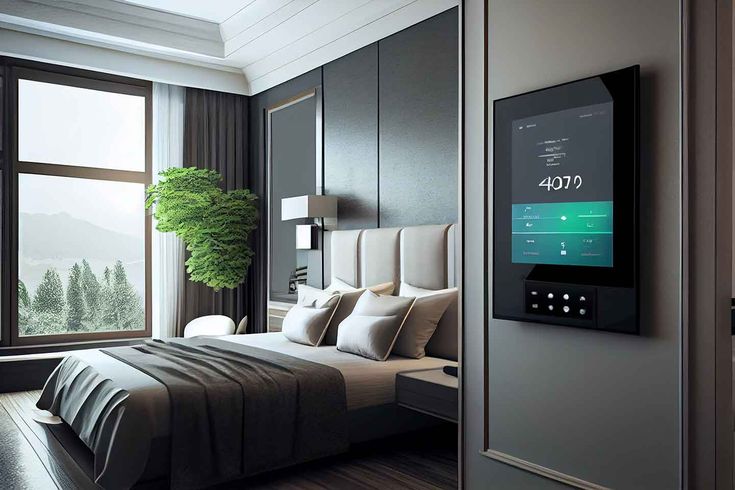
Today’s hotel technology extends far beyond online reservations. Smart systems now manage nearly every stage of the guest experience, from booking and arrival to room controls and checkout.
Integrated hotel platforms connect reservations, room management, customer preferences, housekeeping, and guest communication into one digital ecosystem. This creates smoother operations while reducing waiting times and manual tasks.
Key improvements include:
- Faster online reservations.
- Mobile room access.
- Personalized room settings.
- Automated service requests.
These innovations help hotels provide more consistent and convenient experiences for travelers.
Contactless Check-In Is Becoming the New Standard
One of the most noticeable features of smart hotels is contactless check-in. Guests can now complete registration, verify their identity, receive digital room keys, and access their rooms without waiting at the front desk.
This technology improves convenience while reducing physical contact and administrative delays.
Benefits include:
- Shorter waiting times.
- Digital room keys through smartphones.
- Secure identity verification.
- Flexible late-night arrivals.
Many international hotel chains now offer fully digital arrival experiences across major destinations in North America, Europe, Asia, and the Middle East.
AI Hotels Deliver Personalized Experiences
Artificial Intelligence Learns Guest Preferences
The rise of AI hotels has transformed personalization. Artificial intelligence analyzes previous stays, booking history, and guest preferences to recommend room upgrades, dining options, and local experiences.
Rather than offering identical services to every visitor, hotels can create customized stays that feel more personal.
Examples include:
- Personalized room temperature settings.
- Customized entertainment recommendations.
- Dining suggestions based on preferences.
- Automated special occasion recognition.
Hotel Automation Improves Operational Efficiency
Behind the scenes, hotel automation is helping staff work more efficiently. Automated systems manage housekeeping schedules, maintenance requests, inventory tracking, and energy usage without constant manual supervision.
Hotels benefit from:
- Faster room preparation.
- Predictive maintenance.
- Lower operating costs.
- Improved staff productivity.
Automation allows employees to spend more time assisting guests rather than performing repetitive administrative tasks.
Digital Concierge Services Enhance Convenience
Traditional concierge desks are evolving into intelligent digital concierge platforms available through hotel mobile apps, in-room tablets, or AI-powered chat assistants.
Guests can instantly request services, receive recommendations, or make reservations without calling reception.
Popular digital concierge features include:
- Restaurant reservations.
- Local attraction recommendations.
- Airport transportation booking.
- Room service requests.
- Spa and wellness appointments.
These services provide immediate assistance while improving overall guest experience.
Smart Rooms Create Comfortable Stays
One of the biggest attractions of smart hotels is the intelligent guest room. Connected devices allow visitors to control lighting, curtains, air conditioning, entertainment systems, and even voice assistants using smartphones or simple voice commands.
Common smart room features include:
- Voice-controlled lighting.
- Smart climate control.
- Wireless charging stations.
- High-speed Wi-Fi connectivity.
- Streaming-enabled smart televisions.
These technologies create a modern environment that combines comfort with convenience.
Sustainability Through Hotel Innovation
Environmental responsibility has become a priority across the hospitality industry. Modern hotel innovation focuses on reducing waste while improving energy efficiency through smart technology.
Many hotels now use sensors and AI to optimize electricity, water usage, and heating systems without affecting guest comfort.
Examples include:
- Motion-sensor lighting.
- Smart energy management systems.
- Digital receipts instead of paper.
- Water-saving bathroom technologies.
These initiatives reduce operating costs while supporting global sustainability goals.
Hospitality Technology Is Improving Security
Advanced hospitality technology also strengthens guest safety through intelligent monitoring systems and secure digital access.
Hotels increasingly use encrypted mobile keys, AI-powered surveillance, and automated emergency response systems to improve overall security.
Important security features include:
- Mobile room key encryption.
- Smart surveillance systems.
- Automated emergency notifications.
- Secure digital payment processing.
Travelers gain greater confidence knowing their personal information and physical safety are protected.
Challenges Facing Smart Hotels
Although technology offers many advantages, hotels must address several challenges when implementing smart systems. High installation costs, employee training, cybersecurity, and data privacy remain important considerations.
Hotels should prioritize:
- Protecting guest data.
- Maintaining reliable network infrastructure.
- Providing staff technology training.
- Offering traditional service options for guests who prefer personal interaction.
Balancing automation with genuine hospitality remains essential for long-term success.
Frequently Asked Questions (FAQs)
1. What are smart hotels?
Smart hotels use advanced technologies such as artificial intelligence, IoT devices, automation, and digital platforms to improve guest services, operational efficiency, and overall hospitality experiences.
2. How does contactless check-in work?
Guests complete registration online, verify their identity digitally, receive a mobile room key, and enter their room without visiting the front desk.
3. What is a digital concierge?
A digital concierge is an AI-powered or app-based service that helps guests book restaurants, request room service, arrange transportation, and receive local recommendations instantly.
4. How do AI hotels personalize guest experiences?
Artificial intelligence analyzes guest preferences and previous stays to recommend personalized room settings, dining options, entertainment, and hotel services.
5. Are smart hotels secure?
Yes. Most modern smart hotels use encrypted digital keys, secure payment systems, advanced cybersecurity measures, and intelligent surveillance technologies to protect guests.
6. What are the biggest hospitality trends in 2026?
Leading hospitality trends include AI-powered personalization, hotel automation, contactless check-in, digital concierge services, smart room technology, sustainability initiatives, and enhanced cybersecurity.
Conclusion
The future of smart hotels is reshaping global hospitality by combining intelligent automation, personalized services, and seamless digital experiences. From contactless check-in and AI-powered recommendations to digital concierge platforms and sustainable hotel technology, these innovations are transforming how travelers interact with accommodations around the world. As hospitality trends continue evolving, hotels that embrace smart solutions will be better positioned to deliver exceptional guest experience while improving operational efficiency.
Whether you’re a traveler looking for greater convenience or a hospitality professional exploring the latest innovations, now is the perfect time to understand how smart hotels are shaping the future of travel. Stay informed, choose technology-enabled accommodations, and experience the next generation of hospitality in 2026.
Stay Informed With the Latest & Most Important News
Previous Post
Next Post