Now Reading: Traditional Festivals Around the World Worth Traveling For in 2026
-
01
Traditional Festivals Around the World Worth Traveling For in 2026

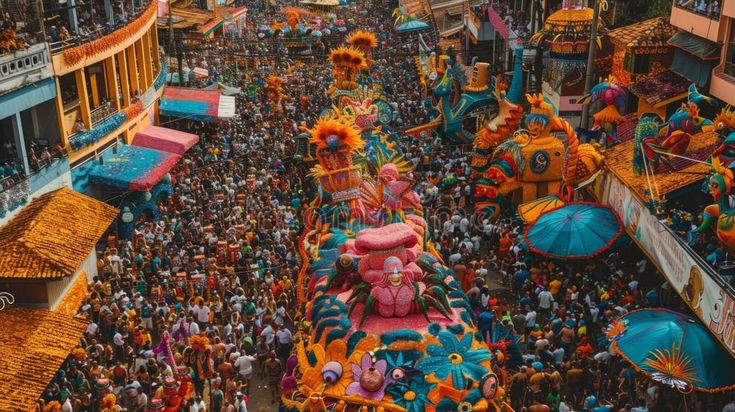
Travel is no longer just about visiting famous landmarks-it’s about experiencing the heart and soul of a destination. One of the best ways to connect with a country’s identity is through its cultural festivals, where centuries-old customs, local traditions, music, food, and community celebrations come together. In 2026, travelers are increasingly choosing immersive experiences over conventional sightseeing, making festivals a major part of modern travel itineraries.
From India’s vibrant Holi celebrations to Japan’s historic Gion Matsuri and Brazil’s world-famous Carnival, these remarkable world festivals offer unforgettable opportunities for cultural travel. This guide highlights some of the most iconic traditional celebrations worth planning your trip around in 2026.
Why Cultural Festivals Are Becoming a Major Travel Trend
The global tourism industry has seen a growing interest in experience-based travel. According to tourism organizations, more travelers now prioritize authentic interactions with local communities over visiting overcrowded attractions. This shift has boosted the popularity of cultural festivals, allowing visitors to participate in meaningful celebrations while supporting local economies.
Unlike regular sightseeing, festivals provide insight into a destination’s history, religion, music, art, and everyday life. These experiences create lasting memories while encouraging responsible and sustainable tourism.
Benefits of festival-based travel include:
- Experience authentic local traditions passed down through generations.
- Discover regional food, music, dance, and handicrafts.
- Support local businesses, artisans, and tourism communities.
- Gain deeper cultural understanding beyond popular tourist attractions.
Top Cultural Festivals Worth Traveling For in 2026
1. Holi Festival – India
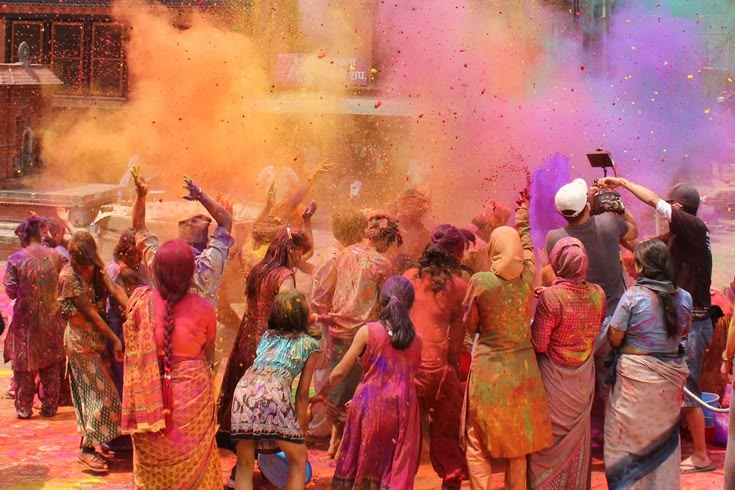
India’s Holi Festival is among the world’s most recognizable traditional celebrations. Celebrated every spring, Holi symbolizes the victory of good over evil and the arrival of a new season.
Cities like Mathura, Vrindavan, Jaipur, and Delhi become vibrant destinations filled with colorful powder, music, dancing, and festive gatherings. Visitors from around the world participate in this joyful event while experiencing India’s rich hospitality and spiritual heritage.
Highlights include:
- Color-filled celebrations across major Indian cities.
- Traditional sweets and festive cuisine.
- Live music and dance performances.
- Rich religious and cultural significance.
2. Gion Matsuri – Kyoto, Japan
Japan’s Gion Matsuri is one of Asia’s oldest cultural festivals, dating back over 1,000 years. Held every July in Kyoto, the festival features elaborate wooden floats, traditional clothing, ceremonial processions, and cultural performances.
Visitors can explore beautifully decorated streets while witnessing centuries-old local customs preserved with exceptional care.
Key experiences include:
- Historic float parades.
- Traditional Japanese performances.
- Local street food markets.
- Beautiful lantern-lit evenings.
3. Carnival – Rio de Janeiro, Brazil
Rio Carnival is one of the world’s largest world festivals, attracting millions of visitors annually. Known for its colorful costumes, samba competitions, and lively street parties, the festival showcases Brazil’s rich artistic heritage.
Beyond the famous Sambadrome performances, neighborhood celebrations provide visitors with authentic cultural experiences throughout the city.
Festival highlights include:
- Spectacular samba parades.
- Street parties across Rio.
- Brazilian music and dance.
- Creative costumes and performances.
4. Oktoberfest – Munich, Germany
Although widely recognized for its beer culture, Oktoberfest is deeply rooted in Bavarian history and remains one of Europe’s most important traditional celebrations.
Held annually in Munich, the festival combines traditional clothing, regional cuisine, folk music, amusement rides, and family-friendly entertainment.
Visitors can enjoy:
- Authentic Bavarian traditions.
- Traditional German food.
- Folk music performances.
- Historic festival atmosphere.
5. Day of the Dead – Mexico
Mexico’s Día de los Muertos is a meaningful celebration that honors loved ones who have passed away. Rather than being a sorrowful occasion, the festival emphasizes remembrance through vibrant altars, marigold flowers, music, and community gatherings.
Cities such as Mexico City and Oaxaca offer some of the country’s most remarkable festival experiences.
Major attractions include:
- Beautiful decorative altars.
- Traditional parades.
- Cultural performances.
- Indigenous artistic traditions.
6. Harbin Ice and Snow Festival – China
China’s Harbin Ice Festival transforms the city into a spectacular winter destination featuring enormous ice sculptures, illuminated castles, and artistic installations.
This seasonal event combines creativity, engineering, and cultural entertainment, making it one of Asia’s most unique travel events.
Visitors can experience:
- Massive illuminated ice sculptures.
- Snow architecture exhibitions.
- Winter sports activities.
- Evening light displays.
How to Plan Your Festival Guide for 2026
Planning ahead is essential when visiting major cultural festivals, as accommodation and transportation often sell out months in advance. Researching local customs before arrival also helps travelers participate respectfully and confidently.
Consider these planning tips:
- Book flights and hotels several months early.
- Learn basic cultural etiquette before attending.
- Wear clothing appropriate for local traditions.
- Carry cash where digital payments may be limited.
- Check official festival schedules for updated events.
Proper preparation ensures a smoother and more enjoyable festival experience.
Respecting Local Customs While Traveling
Successful cultural travel goes beyond taking photographs. Respecting local communities and traditions helps preserve festivals for future generations while creating more meaningful interactions.
Travelers should remember to:
- Follow local dress codes where required.
- Ask permission before photographing people.
- Respect religious ceremonies and sacred spaces.
- Support local artisans by purchasing handmade products.
- Dispose of waste responsibly during crowded events.
Responsible tourism strengthens relationships between visitors and host communities.
Why Heritage Tourism Continues to Grow
Modern travelers increasingly seek destinations that offer authentic storytelling and historical significance. This has contributed to the rapid growth of heritage tourism, where visitors explore historical landmarks alongside living traditions celebrated through festivals.
Many governments now invest in preserving historic festivals because they strengthen national identity while contributing significantly to local economies. For travelers, these celebrations provide educational opportunities that cannot be replicated in museums alone.
As interest in immersive travel continues to rise, attending cultural festivals has become one of the most rewarding ways to experience global diversity.
Frequently Asked Questions (FAQs)
1. Which cultural festivals are the most popular in the world?
Some of the most popular include Rio Carnival in Brazil, Holi in India, Gion Matsuri in Japan, Oktoberfest in Germany, and the Day of the Dead celebrations in Mexico.
2. When should I book travel for major world festivals?
It is recommended to book flights and accommodation at least four to six months in advance, especially for internationally recognized festivals that attract large crowds.
3. Why are cultural festivals important for travelers?
They provide authentic insights into local traditions, history, cuisine, music, and community life, creating meaningful travel experiences beyond sightseeing.
4. How can I respectfully participate in traditional celebrations?
Learn about local customs beforehand, follow dress guidelines, respect religious practices, ask before taking photographs, and support local businesses whenever possible.
5. What is heritage tourism?
Heritage tourism involves visiting destinations to experience their history, architecture, traditions, and cultural identity through museums, monuments, and living festivals.
6. Are cultural festivals suitable for family travel?
Yes. Many festivals offer family-friendly activities, cultural performances, food markets, educational exhibits, and interactive experiences suitable for travelers of all ages.
Conclusion
Attending cultural festivals is one of the most enriching ways to discover the world’s diversity in 2026. Whether you’re celebrating Holi in India, enjoying samba in Brazil, witnessing centuries-old traditions in Japan, or exploring historic festivals across Europe and Latin America, every destination offers unforgettable cultural experiences that go far beyond ordinary tourism.
Start planning your festival journey today by researching dates, booking accommodations early, and embracing local customs with respect. With thoughtful preparation and an open mind, your next cultural adventure can become a once-in-a-lifetime experience filled with unforgettable memories and meaningful connections.
Stay Informed With the Latest & Most Important News
Previous Post
Next Post