Now Reading: How AI Is Transforming the Modern Workplace in 2026
-
01
How AI Is Transforming the Modern Workplace in 2026

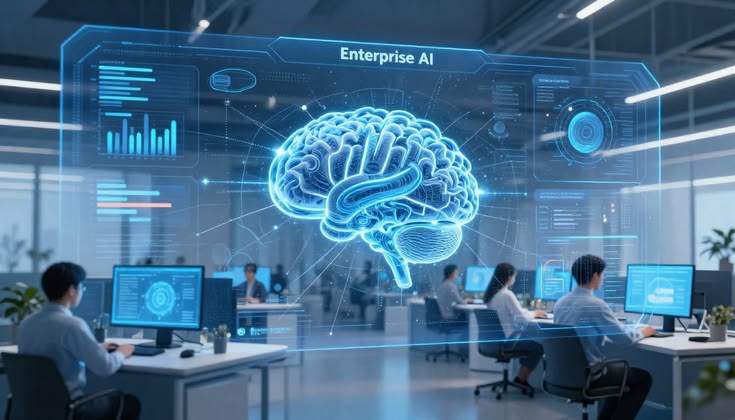
Artificial intelligence is no longer a futuristic concept- it has become a core part of how businesses operate. In 2026, AI in the workplace is reshaping everything from daily workflows and employee productivity to customer service and strategic decision-making. Organizations across industries are adopting AI-powered solutions to improve efficiency, reduce repetitive tasks, and create more agile work environments.
As technology continues to evolve, businesses in North America, Europe, Asia-Pacific, and emerging markets are investing heavily in AI-driven tools to remain competitive. The result is a workplace that is smarter, faster, and increasingly data-driven.
Understanding AI in the Workplace
AI in the workplace refers to the use of artificial intelligence technologies to support, automate, or enhance business operations. These tools can analyze data, generate content, automate workflows, and assist employees in making informed decisions.
Unlike traditional software, modern AI systems can learn from data patterns and improve performance over time. This capability allows organizations to streamline operations while enabling employees to focus on higher-value work.
Common Applications of AI in the Workplace
Businesses are using AI for:
- Customer support chatbots
- Data analysis and reporting
- Content creation
- Recruitment and talent acquisition
- Project management
- Predictive analytics
- Cybersecurity monitoring
- Workflow optimization
The growing adoption of generative AI has further expanded these capabilities, making AI accessible to organizations of all sizes.
Why Businesses Are Embracing Workplace Automation
One of the biggest drivers behind AI adoption is the rise of workplace automation.
Companies are constantly looking for ways to improve efficiency while reducing operational costs. AI-powered automation helps achieve both objectives by handling repetitive and time-consuming tasks.
Benefits of Workplace Automation
Organizations implementing workplace automation often experience:
- Faster task completion
- Reduced manual errors
- Improved operational efficiency
- Better employee productivity
- Enhanced customer experiences
- More consistent workflows
By automating routine processes, employees can dedicate more time to creative thinking, innovation, and strategic initiatives.
How Generative AI Is Changing Daily Work
The emergence of generative AI has transformed how professionals work across industries.
Unlike traditional automation tools, generative AI can create content, summarize information, generate reports, and assist with problem-solving in real time.
Examples of Generative AI in Action
Modern businesses use generative AI for:
- Drafting emails and reports
- Creating marketing content
- Generating meeting summaries
- Assisting with coding tasks
- Producing research insights
- Supporting customer service teams
These capabilities allow teams to complete tasks more efficiently while maintaining quality and consistency.
As a result, AI in the workplace is becoming a valuable partner rather than simply a technological tool.
AI and Employee Productivity

One of the most noticeable effects of AI adoption is improved productivity.
Employees spend a significant portion of their workday on repetitive administrative tasks. AI helps eliminate many of these bottlenecks by automating routine processes and providing instant access to information.
Ways AI Boosts Productivity
AI-powered systems can:
- Organize schedules
- Manage workflows
- Prioritize tasks
- Analyze large datasets
- Generate reports
- Provide decision support
By reducing manual workloads, employees can focus on activities that require human creativity, critical thinking, and emotional intelligence.
The Impact of AI on Different Industries
Healthcare
Healthcare organizations use AI to analyze medical data, assist diagnostics, and improve patient care outcomes.
Finance
Financial institutions leverage AI for fraud detection, risk assessment, and personalized customer services.
Retail
Retail businesses utilize AI to forecast demand, optimize inventory, and improve customer engagement.
Manufacturing
Manufacturers implement AI-driven systems to monitor equipment, predict maintenance needs, and improve production efficiency.
Human Resources
HR departments increasingly rely on AI in the workplace for recruitment, candidate screening, and employee engagement initiatives.
These examples highlight how AI is becoming a foundational technology across sectors worldwide.
Challenges Businesses Must Address
Despite its benefits, AI implementation comes with challenges.
Organizations must ensure that AI solutions are deployed responsibly and ethically.
Key Considerations
- Data privacy and security
- Algorithm transparency
- Workforce training
- Ethical AI usage
- Regulatory compliance
- Human oversight
Businesses that address these concerns proactively are more likely to achieve successful long-term AI adoption.
The Future of AI in the Workplace
Experts predict that AI will continue to evolve rapidly over the coming years.
Future developments may include:
- More advanced virtual assistants
- Hyper-personalized employee experiences
- Smarter decision-support systems
- Improved collaboration tools
- Greater integration with remote work environments
Rather than replacing employees, AI is expected to augment human capabilities and create new opportunities for innovation.
The organizations that embrace AI strategically today will be better positioned to compete in tomorrow’s digital economy.
Frequently Asked Questions
What is AI in the workplace?
AI in the workplace refers to the use of artificial intelligence technologies to automate tasks, analyze data, improve productivity, and support business operations.
How does workplace automation improve productivity?
Workplace automation reduces repetitive manual tasks, allowing employees to focus on strategic and creative responsibilities that add greater value to the organization.
What is generative AI?
Generative AI is a type of artificial intelligence that can create content, generate text, summarize information, and assist users with complex tasks.
Will AI replace human jobs?
While AI may automate certain tasks, it is more likely to transform job roles rather than eliminate them entirely. Human skills such as creativity, leadership, and critical thinking remain essential.
Which industries benefit the most from AI?
Healthcare, finance, retail, manufacturing, and human resources are among the industries experiencing significant benefits from AI adoption.
Is AI suitable for small businesses?
Yes. Many AI-powered tools are affordable and scalable, making them accessible for startups and small businesses looking to improve efficiency and productivity.
Conclusion
The rise of AI in the workplace is transforming how organizations operate in 2026. From workplace automation and smarter decision-making to the growing influence of generative AI, businesses are discovering new ways to improve productivity, efficiency, and innovation.
As AI technology becomes more accessible, organizations that embrace it strategically will gain a significant competitive advantage. The future workplace will not simply be digital- it will be intelligent, adaptive, and driven by collaboration between humans and AI.
Ready to stay ahead of the latest workplace technology trends? Follow our Digital Insight series for expert perspectives on AI, innovation, and the future of work.
Stay Informed With the Latest & Most Important News
Previous Post
Next Post