Now Reading: I Traveled With Just a 7kg Bag in 2026-Here’s What Actually Earned Its Space
-
01
I Traveled With Just a 7kg Bag in 2026-Here’s What Actually Earned Its Space
I Traveled With Just a 7kg Bag in 2026-Here’s What Actually Earned Its Space


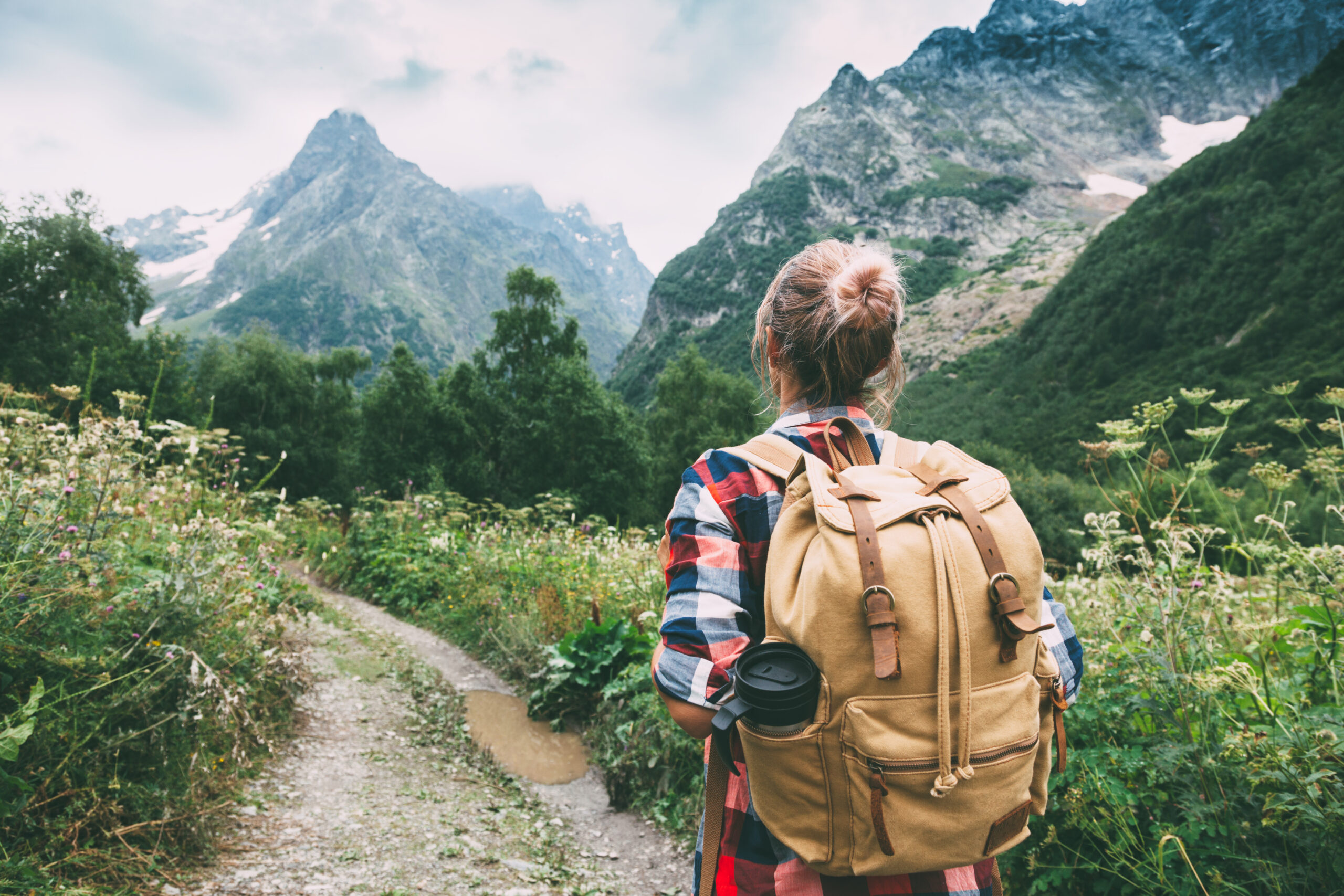
Travel trends in 2026 are increasingly focused on simplicity, flexibility, and efficiency. While airlines continue enforcing strict baggage limits and travelers seek more freedom on the road, many people are embracing the concept of traveling light. Recently, I set out on a multi-city journey carrying nothing more than a 7kg Travel Bag. No checked luggage, no backup suitcase, and no unnecessary extras.
At first, the idea felt restrictive. Could a single bag truly contain everything needed for several days of travel? Surprisingly, the experience completely changed my perspective on Travel Packing Essentials and proved that thoughtful planning often matters more than packing more items. What earned a place in my bag wasn’t necessarily what I expected.
Why I Chose a 7kg Travel Bag
The decision to travel with only a 7kg Travel Bag was driven by practicality. Budget airlines, faster airport experiences, and the desire to move freely between destinations all played a role.
Traveling with a lightweight bag offers several advantages:
- No checked baggage fees
- Faster airport departures
- Easier use of public transportation
- Greater mobility during trips
- Less stress about lost luggage
Many frequent travelers are now prioritizing convenience over carrying extra items they may never use.
The Reality of Packing Limits
The biggest challenge wasn’t fitting everything into the bag-it was deciding what truly deserved space.
Every item had to justify its weight and usefulness. This naturally encouraged a more intentional approach to travel and led to a practical lesson in Minimalist Packing.
The Travel Packing Essentials That Made the Cut
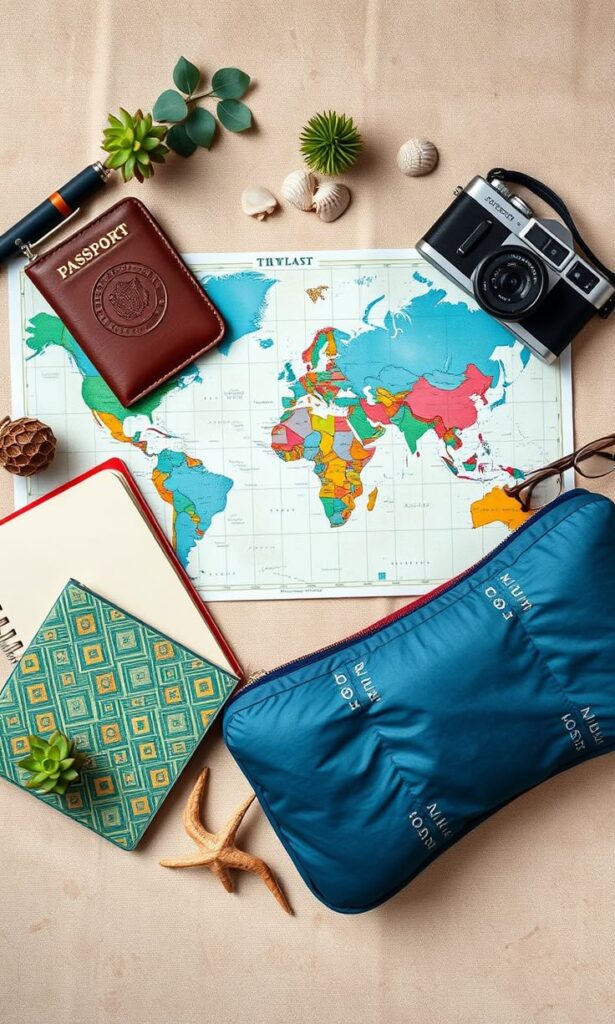
When space is limited, every item matters. Instead of packing for every possible scenario, I focused on versatile essentials that could serve multiple purposes.
Clothing That Worked Hard
Rather than carrying multiple outfits for different occasions, I packed clothing that could be mixed and matched easily.
My clothing essentials included:
- Two lightweight T-shirts
- One long-sleeve shirt
- One pair of travel pants
- One pair of shorts
- Lightweight jacket
- Compact sleepwear
- Undergarments and socks
Neutral colors made it easier to create different outfit combinations while keeping the overall weight low.
Footwear Choices
Shoes often consume the most luggage space. Instead of carrying multiple pairs, I limited myself to:
- One pair of comfortable walking shoes
- Lightweight sandals
This decision saved both weight and valuable bag space.
Technology That Actually Earned Its Space
Technology remains important for modern travelers, but not every gadget deserves a spot in a limited packing setup.
Essential Devices
The following items proved genuinely useful:
- Smartphone
- Compact power bank
- Charging cable
- Universal travel adapter
- Wireless earbuds
These devices supported navigation, communication, photography, and entertainment without adding excessive weight.
What Stayed Home
Several items that often appear on packing lists were intentionally left behind:
- Laptop
- Tablet
- Large camera equipment
- Multiple chargers
- Portable speakers
For this trip, simplicity proved more valuable than carrying additional electronics.
Minimalist Packing Changed the Way I Traveled
One of the biggest lessons from using a 7kg Travel Bag was understanding the true value of Minimalist Packing.
Packing less had a noticeable impact on the overall travel experience.
Benefits of Minimalist Packing
Traveling with fewer belongings allowed me to:
- Move quickly between destinations
- Avoid baggage claim delays
- Spend less time organizing luggage
- Focus more on experiences
- Reduce travel-related stress
Many travelers assume more items provide greater comfort, but often the opposite is true.
Greater Flexibility
Whether boarding trains in Europe, exploring crowded city centers in Asia, or navigating airports in North America, carrying a lightweight bag made every transition easier.
The freedom of moving without heavy luggage quickly became one of the trip’s greatest advantages.
Travel Packing Essentials I Thought I Needed-But Didn’t
Before departure, there were several items I almost packed but ultimately never missed.
Unnecessary Extras
These items stayed at home:
- Extra shoes
- Large toiletries
- Multiple jackets
- Backup electronics
- Travel-sized gadgets
Eliminating these items created more room for things that genuinely added value.
The “Just in Case” Trap
Many travelers pack for situations that never happen. One of the key principles of successful Minimalist Packing is resisting the urge to prepare for every unlikely scenario.
In most destinations, forgotten items can usually be purchased if necessary.
Lessons Learned From Traveling Light
The experience provided several insights that can benefit almost any traveler.
What Matters Most
After several days on the road, it became clear that successful travel depends far less on possessions than many people assume.
The most valuable travel resources were:
- Comfortable clothing
- Reliable footwear
- Essential technology
- Travel documents
- Adaptability
Everything else was secondary.
Travel Efficiency Improves
A lighter bag naturally encourages smarter decision-making throughout a trip.
Benefits included:
- Faster hotel check-ins
- Easier public transport use
- Reduced physical fatigue
- Greater spontaneity
- Simplified daily planning
These improvements contributed significantly to a smoother travel experience.
Why More Travelers Are Choosing Lightweight Travel
The popularity of lightweight travel continues growing as airlines introduce stricter baggage policies and travelers seek greater flexibility.
Across destinations in Europe, Southeast Asia, North America, and Australia, travelers are increasingly embracing carry-on-only strategies.
Reasons include:
- Cost savings
- Time efficiency
- Reduced travel stress
- Increased mobility
- Environmental awareness
For many travelers, the convenience of a 7kg Travel Bag outweighs the perceived comfort of larger luggage.
Frequently Asked Questions
Is a 7kg travel bag enough for a week-long trip?
Yes. With careful planning and Minimalist Packing, a 7kg Travel Bag can comfortably support trips lasting a week or even longer.
What are the most important travel packing essentials?
The most important Travel Packing Essentials include versatile clothing, comfortable footwear, travel documents, basic technology, and personal care items.
How can I reduce the weight of my luggage?
Focus on multi-purpose clothing, limit footwear, minimize toiletries, and avoid packing items for unlikely situations.
Is minimalist packing suitable for international travel?
Absolutely. Many experienced travelers successfully use minimalist packing strategies for international trips across multiple destinations.
What should I avoid packing in a 7kg travel bag?
Avoid bulky electronics, extra shoes, oversized toiletries, and duplicate items that serve similar purposes.
Why is lightweight travel becoming more popular?
Travelers appreciate the flexibility, cost savings, convenience, and freedom that come with carrying less luggage.
Conclusion
Traveling with a 7kg Travel Bag in 2026 proved that successful travel is not about how much you bring-it’s about bringing the right things. By focusing on practical Travel Packing Essentials and embracing Minimalist Packing, I discovered that lighter travel often leads to greater freedom, flexibility, and enjoyment.
Whether you’re planning a weekend getaway or a multi-country adventure, consider challenging yourself to pack less on your next trip. You may find that the items earning a place in your bag are far fewer than you expected-and that your travel experience becomes better because of it.
Ready to simplify your travels? Start building your own lightweight packing strategy and experience how liberating a well-packed 7kg bag can be.
Stay Informed With the Latest & Most Important News
Previous Post
Next Post