Now Reading: The Algorithm Planned My Trip Better Than I Could – Inside the New Age of AI Travel Planning
-
01
The Algorithm Planned My Trip Better Than I Could – Inside the New Age of AI Travel Planning
The Algorithm Planned My Trip Better Than I Could – Inside the New Age of AI Travel Planning

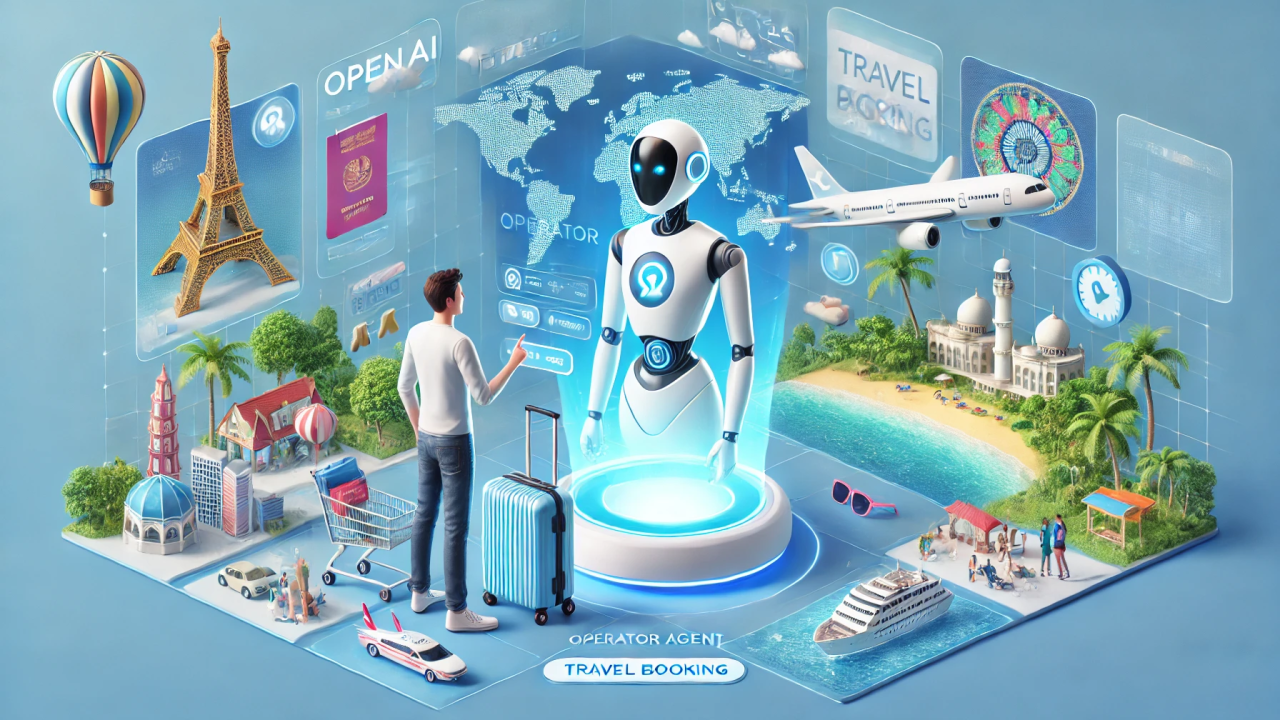
AI travel planners are reshaping how trips are built in 2026. Here’s what actually works, what doesn’t, and how to use them smarter.
Introduction
Planning a trip used to feel like part of the adventure.
Now, for a growing number of travelers, it feels more like a task you’d rather outsource.
Flights, hotels, itineraries, local transport, restaurant bookings – it adds up quickly. And somewhere between comparing 14 tabs and reading conflicting reviews, the excitement starts to fade.
So I tried something different.
I let AI plan an entire trip – from destination research to daily itinerary.
Not partially. Completely.
And the result was… unsettlingly efficient.
When Travel Planning Stopped Being Manual

For years, the process looked the same:
- Google search
- Blog reading
- YouTube videos
- Spreadsheet planning
Now, tools powered by AI can generate full itineraries in seconds.
Platforms like ChatGPT, Wanderlog, and TripIt are no longer just assistants – they’re becoming decision-makers.
And that’s where things get interesting.
What AI Actually Does Well (Surprisingly Well)
Let’s be clear: AI isn’t magic.
But in specific parts of travel planning, it’s already better than most humans.
It Eliminates Research Fatigue
Instead of opening multiple tabs, you can ask:
“Plan a 5-day itinerary in Vietnam focused on food and culture.”
Within seconds, you get:
- Day-by-day breakdown
- Key attractions
- Suggested routes
- Local experiences
Not perfect – but incredibly usable.
It Connects the Dots Faster Than You Can
Humans research linearly.
AI works non-linearly.
It can instantly combine:
- Weather data
- Location proximity
- Popular attractions
- Travel time
And produce something cohesive.
That’s hard to replicate manually without hours of effort.
It Adapts Instantly
Plans change. Flights get delayed. Weather shifts.
AI tools can adjust your itinerary in real time.
That level of flexibility used to require a travel agent – or a lot of patience.
Where AI Still Falls Short
This is where expectations need to be grounded.
Because AI doesn’t experience travel – it predicts it.
It Lacks Taste
AI can recommend “top restaurants.”
But it doesn’t know:
- Which place has real atmosphere
- Which café feels authentic
- Which experience is overrated
It works on data, not nuance.
It Sometimes Over-Optimizes
AI loves efficiency.
But travel isn’t always about optimization.
A perfectly optimized itinerary can feel:
- Rushed
- Overpacked
- Slightly robotic
Ironically, the imperfections of human planning often create better experiences.
It Recycles Popular Content
Many AI-generated itineraries lean heavily on:
- “Top 10” attractions
- Highly reviewed places
- Mainstream experiences
If you want something unique, you still need to guide it.
The Hybrid Approach (This Is Where the Real Value Is)
The smartest travelers aren’t replacing themselves with AI.
They’re collaborating with it.
Here’s what that looks like in practice:
Step 1: Use AI to generate a base itinerary
Step 2: Manually refine key experiences
Step 3: Adjust pacing and priorities
Step 4: Keep flexibility during the trip
Think of AI as:
- A fast researcher
- A structured planner
- A starting point – not the final answer
A Real Example: AI vs Human Planning
I tested both approaches for the same destination.
AI Plan:
- Efficient
- Well-structured
- Covered major highlights
Human-Adjusted Plan:
- Slower pace
- Added local recommendations
- Removed unnecessary stops
The final version was a combination of both.
And that’s the pattern I keep seeing.
Why This Trend Is Growing Fast
Three reasons:
1. Time Is Becoming More Valuable Than Money
People don’t want to spend hours planning anymore.
AI reduces that time dramatically.
2. Travel Is More Frequent
With remote work and flexible schedules, people are traveling more often.
Planning repeatedly becomes exhausting.
Automation solves that.
3. Tools Are Getting Better (Fast)
What felt experimental in 2023 now feels reliable.
And by 2026, it’s becoming mainstream.
The Subtle Shift Nobody Talks About
AI isn’t just changing how we plan travel.
It’s changing how much control we give up.
When an algorithm decides:
- Where you go
- What you eat
- What you see
You’re outsourcing part of your experience.
That’s not necessarily bad – but it’s worth being aware of.
FAQs
What is the best AI travel planner right now?
Tools like ChatGPT, Wanderlog, and TripIt are among the most widely used, depending on your needs.
Can AI fully replace travel agents?
Not entirely. AI handles efficiency well, but human expertise still matters for complex or luxury travel.
Are AI-generated itineraries reliable?
Generally yes – but they should always be reviewed and adjusted.
Is AI travel planning free?
Many tools offer free versions, but advanced features may require subscriptions.
Conclusion
AI travel planning isn’t a futuristic concept anymore – it’s already here, quietly reshaping how trips are built.
But the real advantage doesn’t come from handing everything over.
It comes from knowing when to rely on AI – and when to override it.
Because the best trips still have something no algorithm can replicate:
A sense of unpredictability.
Stay Informed With the Latest & Most Important News
Previous Post
Next Post